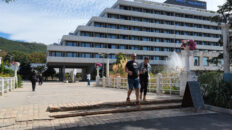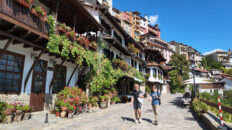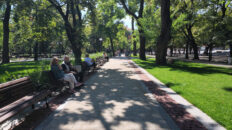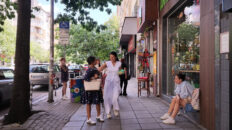


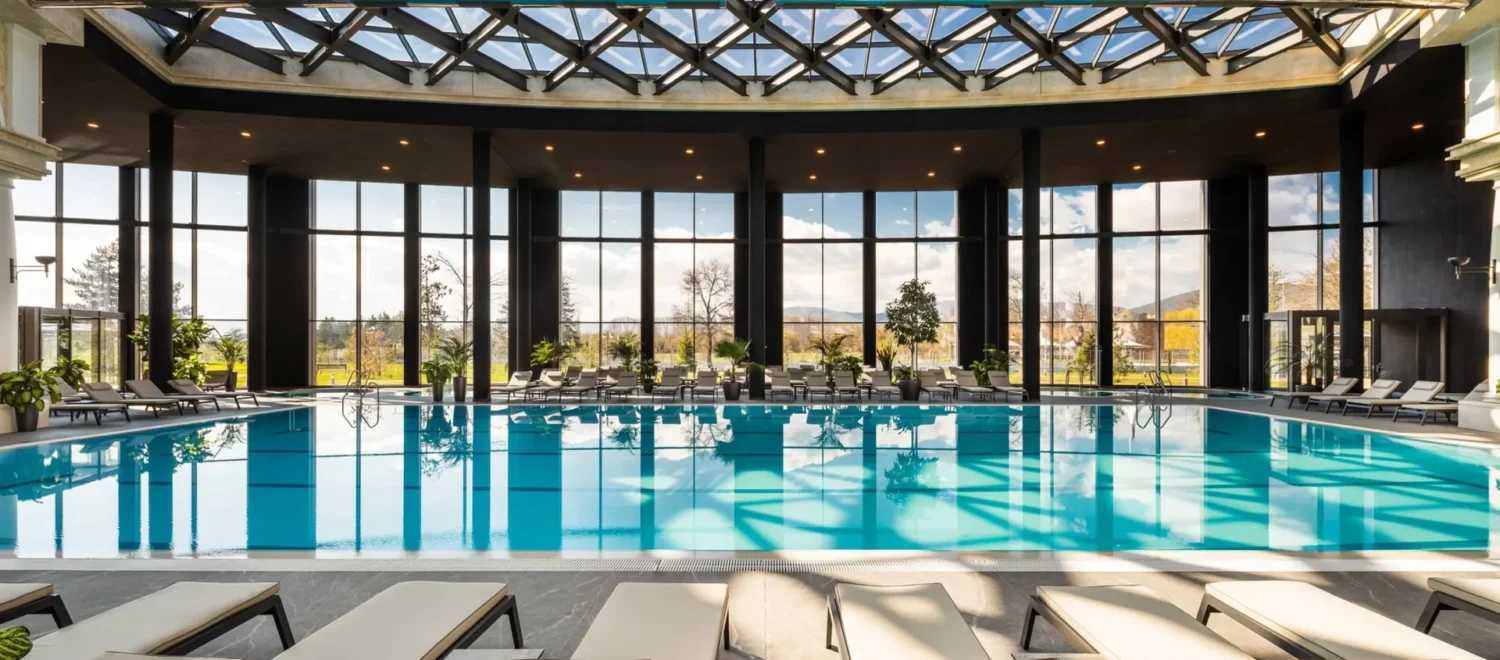
Bulgaria is one of the best places in Europe to sit in hot water. The country has more than 700 mineral springs, and some of them come out of the ground hot enough to boil an egg. The Thracians bathed in them, the Romans built whole towns around them, and today almost every region has a spa town of its own.
What makes it special is the variety. Some springs smell of sulphur and are used for joints and skin. Others are soft and slightly radioactive, used for nerves and the heart, and some are so clean that locals fill bottles at the fountain every day.
We have walked or stayed in eight of the towns below, and the rest we researched carefully. Here is what each one is good for and why you would go.
Sapareva Banya: our favourite
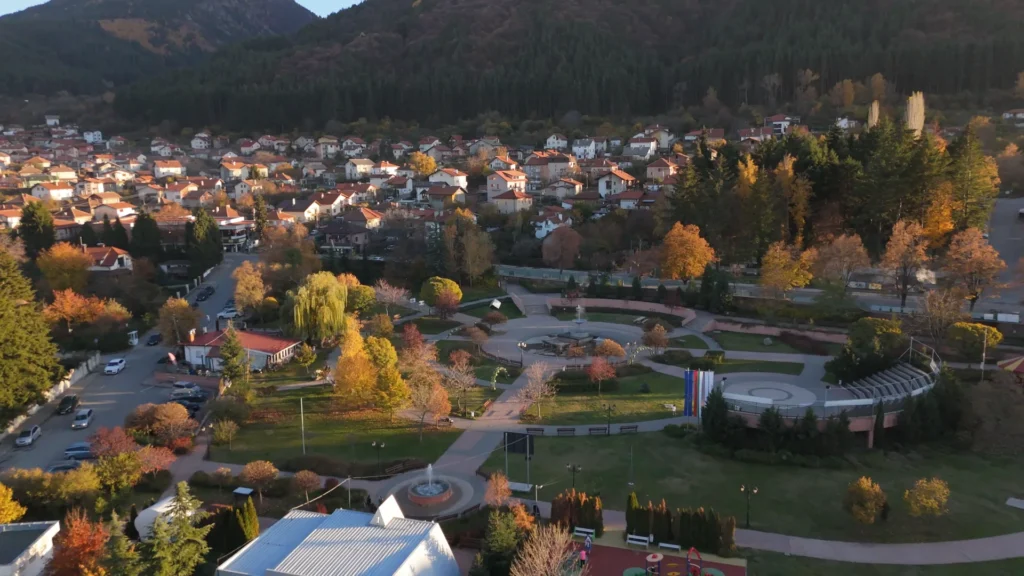
If you only visit one spa town in Bulgaria, make it Sapareva Banya. It is small, easy and about an hour and a half from Sofia, and it has the hottest water in the country right in the middle of town.
The water. In the town square, a geyser-fountain throws up mineral water at around 103 C, the hottest in continental Europe. The water has a light smell of sulphur and more fluorine than any other spring in Bulgaria. It is used for joints, back pain, nerves, skin and breathing problems.
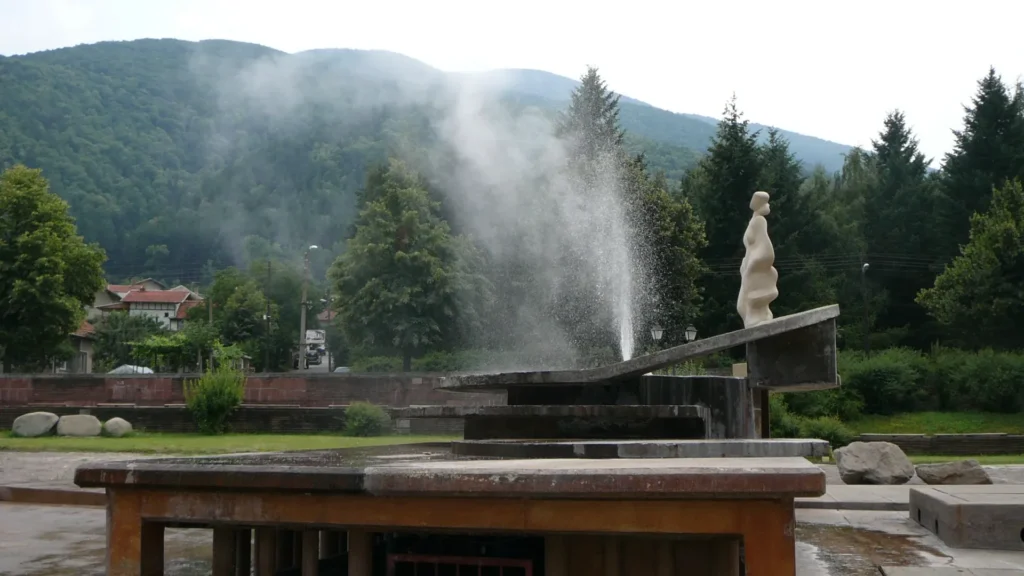
People have come here for the water for a long time. The Thracians called the place Germaneya, after its hot springs, and the Romans used it after them. On a cold morning, you can see the steam from the geyser long before you reach it.
What everyone comes for. Most visitors spend a day at Aqua Club Kotvata, a big outdoor complex with hot pools, jacuzzis, saunas and children’s pools open all year. It gets busy at weekends, and you can’t bring your own food, so eat in town before you go.
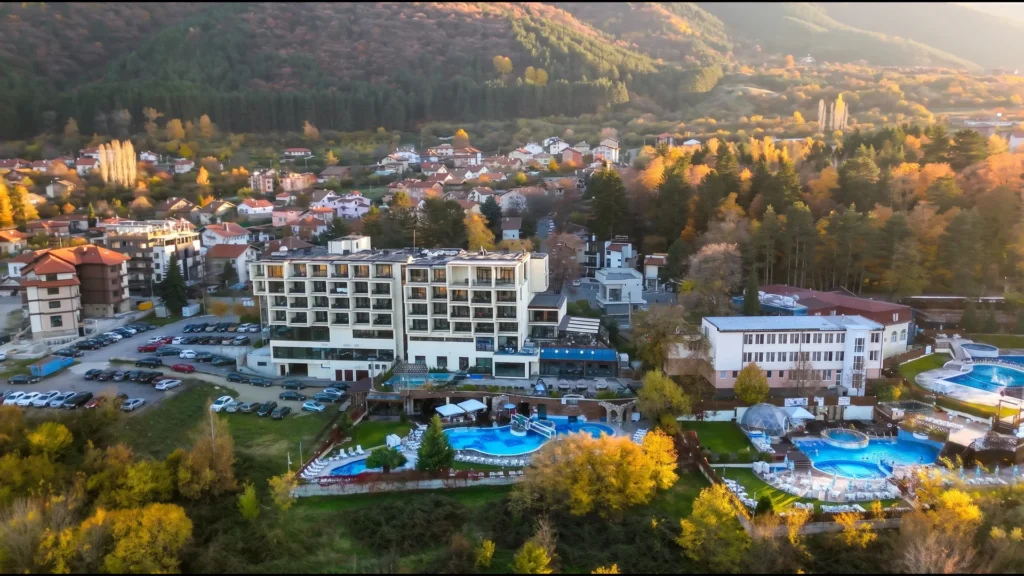
Where to stay. We stayed at the Five Elements, which has its own outdoor pools, and hotel guests can use all the other pools too, including Kotvata’s. It also has a physiotherapy centre with a doctor. Read our Five Elements medical spa review for the full story.
We have also seen 103 Degrees Hotel & Spa, and it is a really good one. For something simpler, see our Emar Spa Hotel review. You can also find a hotel in Sapareva Banya for your dates.
Good to know
- When to go: all year. Winter is best for steaming outdoor pools; July to September is the time to hike to the lakes.
- Getting there: about 1.5 hours from Sofia by car. Buses are few and slow.
- Budget: a day at Kotvata costs 15 EUR on weekdays and 20 EUR at weekends.
Nearby. Sapareva Banya is the best base for the Seven Rila Lakes. A chairlift above the town takes you most of the way up, and from July to September you can walk between the lakes in a few hours.
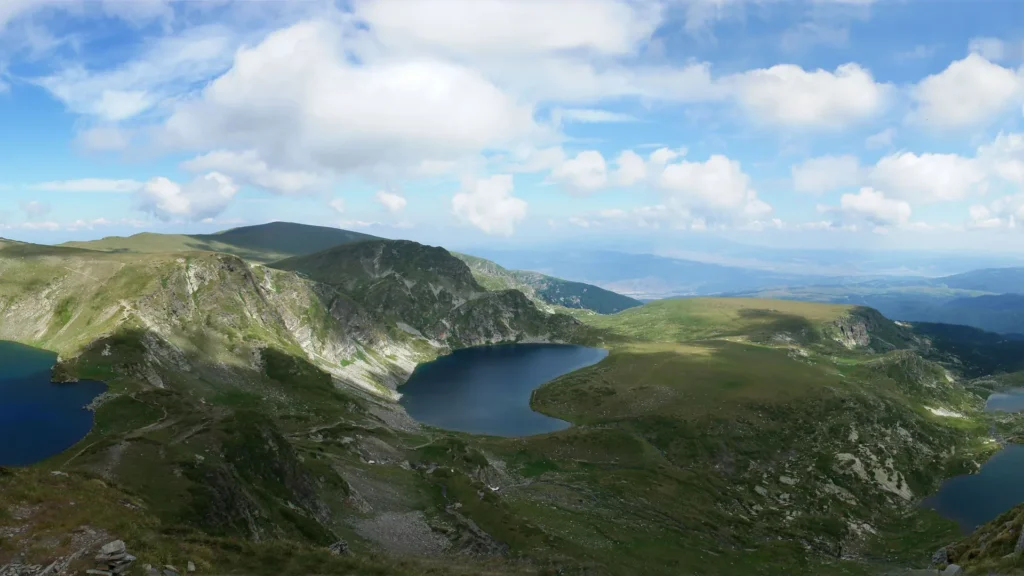
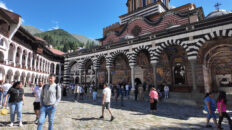
Rila Monastery, Bulgaria’s most famous monastery, is an easy day trip too.
Velingrad: the classic spa holiday
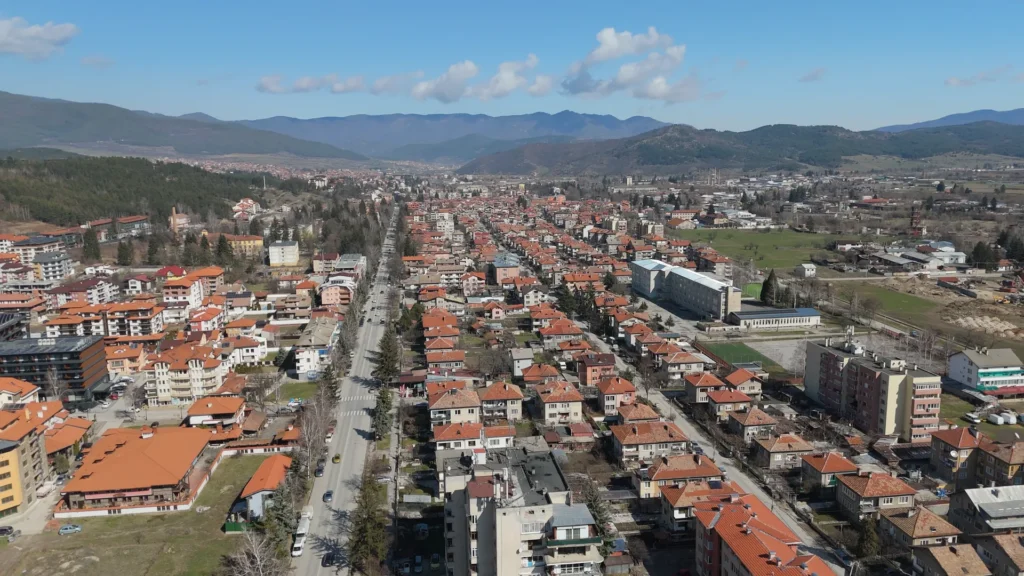
Velingrad is where Bulgarians go for a proper week of soaking, walking and eating well. It calls itself the spa capital of the Balkans, and with 70 to 80 springs in one valley, it has earned the name.
The water. Most springs are hot, soft and slightly radioactive, with a little radon. The water is used for breathing problems like asthma and bronchitis, and for joints, nerves and high blood pressure. With so much of it around, you’ll find it in the pools of most spa hotels.
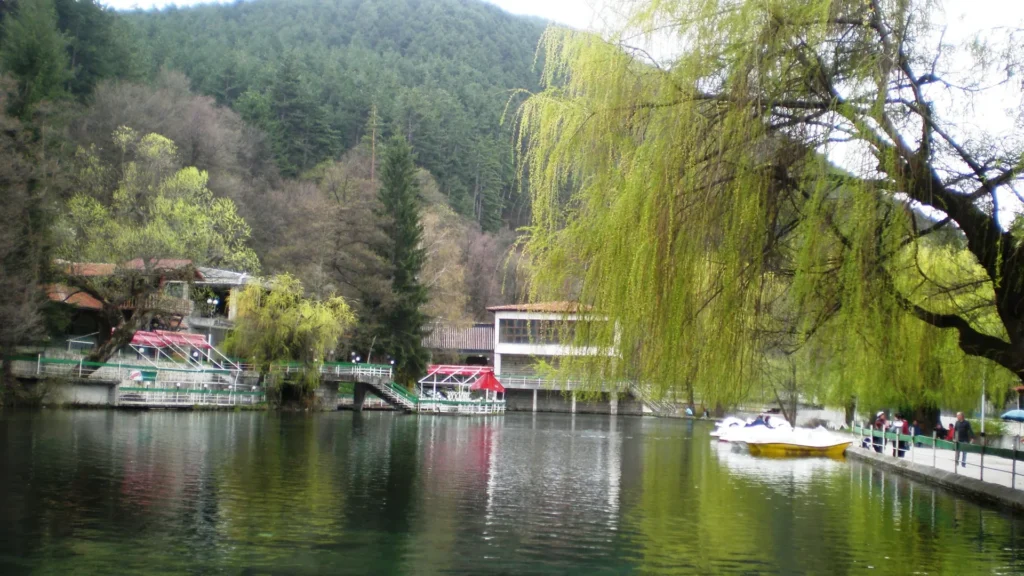
The town’s best-known sight is Kleptuza, the largest karst spring in Bulgaria. It fills a green lake with willows, paddle boats and cafes around it, and it is a lovely place for a morning walk.
What everyone comes for. Rest: Velingrad is quiet, green and slow, with pine forest all around. In summer the Central Mineral Beach opens in the town park with a big pool and a hot pool, and the rest of the year you swim in the hotels.
Where to stay. We stayed at the Olymp in March 2024; our Spa Hotel Olymp review covers the pools and rooms. The town has dozens of spa hotels, so compare spa hotels in Velingrad before you book.
Good to know
- When to go: all year. Summer for the mineral beach, winter for cosy hotel pools.
- Getting there: around 2 hours from Sofia or 1.5 hours from Plovdiv by car. The train is slow but scenic.
- Budget: the mineral beach costs about 4 EUR a day in summer.
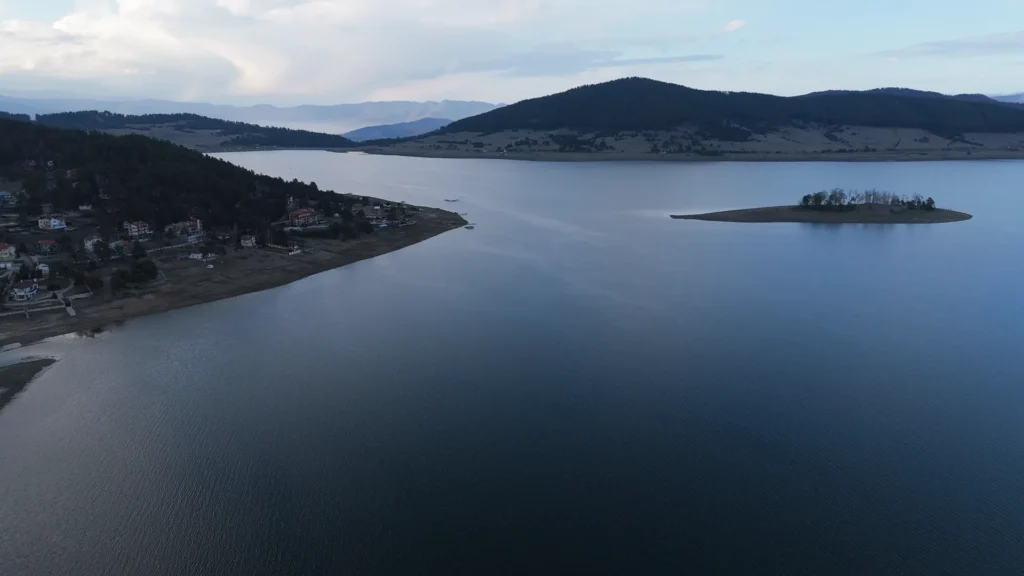
Nearby. Half an hour up the mountain, Lake Batak spreads out between pine forests. The holiday village of Tsigov Chark on its shore is a lovely place for a lunch with a view.
Hisarya: water you can drink, inside Roman walls
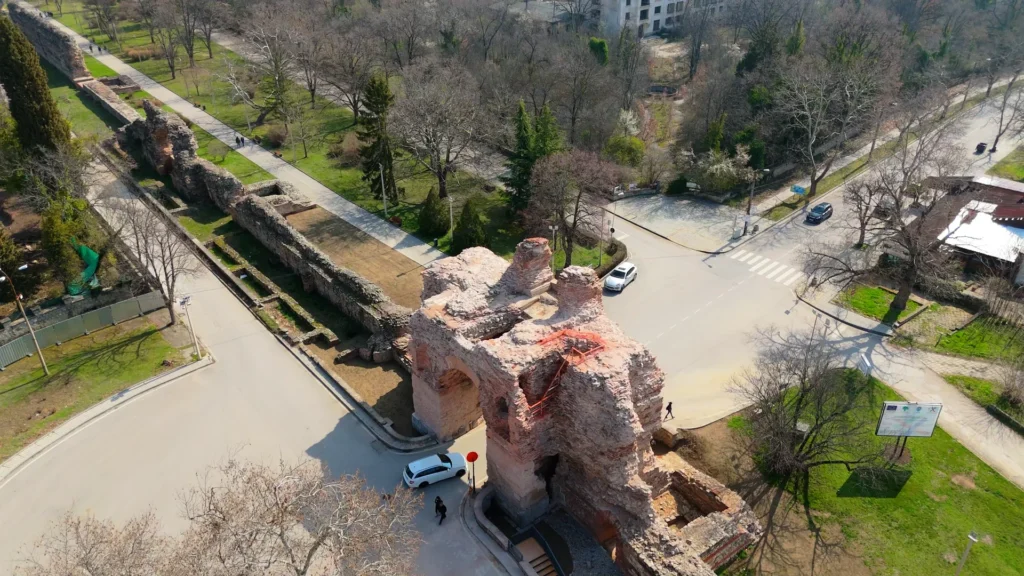
Hisarya is a small, green town near Plovdiv that still sits inside the walls the Romans built around it. It is the place to come if you like history with your soak.
The water. Hisarya has 22 springs, and you can drink from all of them; the water is soft, warm and pleasant to taste. Each spring has its own use: Momina Banya, the one with the most radon, is known for kidney and bladder problems and for joints, while Momina Salza is the one locals drink for digestion. Bring a bottle and fill it at the fountains in the park.
Hisarya also has a place in Bulgarian spa history: the country’s first chemical analysis of mineral water was done here in 1882.
What is interesting here. The Roman town of Diocletianopolis left 2.3 km of walls, with towers up to 11 m tall. The southern gate is called the Camels, because its two leaning halves look like camel humps. The ruins of the Roman baths are inside the walls too, and we filmed both from the air in March 2024.
What everyone comes for. Drinking the water, walking the walls and, in summer, a day at Terme di Hissar, a mineral water park with indoor and outdoor pools. Outside summer, the hotels are where you swim; you can find a hotel in Hisarya close to the park.
Good to know
- When to go: spring to autumn. Terme di Hissar is a summer place.
- Getting there: about 45 minutes from Plovdiv by car, so it works as a day trip.
- Budget: a day at Terme di Hissar costs 17 EUR Monday to Thursday and 22 EUR at weekends.
Nearby. Plovdiv, one of the oldest cities in Europe, is less than an hour away and makes the perfect base. Banya near Karlovo is only 15 minutes from Hisarya.
Sandanski: sunshine and easy breathing
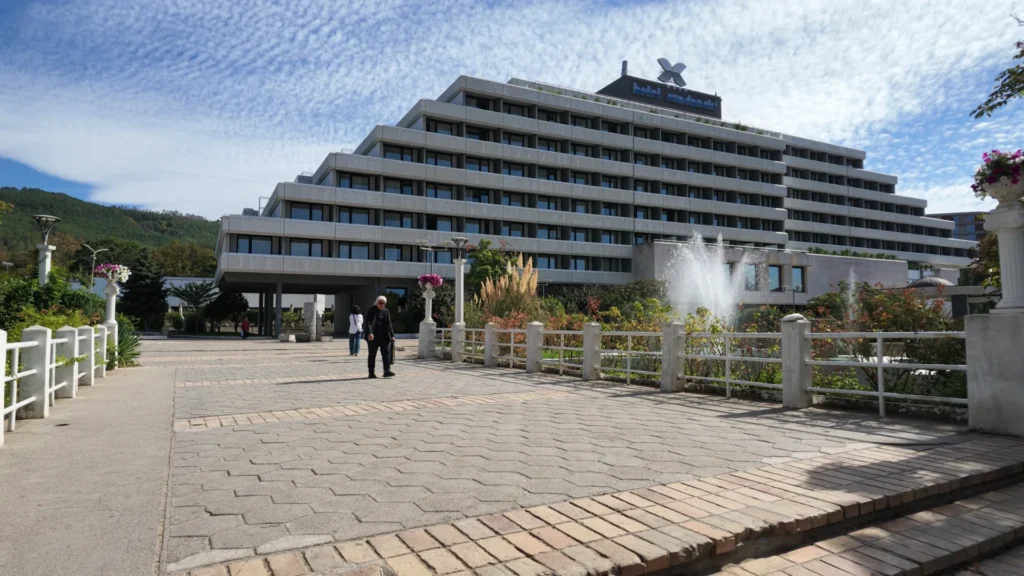
Sandanski is Bulgaria’s warmest town, close to the Greek border, and it feels like the south: mild, green and relaxed. It is the spa town for people who want sun as much as hot water.
The water. Sandanski has about 80 springs, from 42 C to 81 C, but the real reason people come is the air. The town is often called the best natural clinic in Europe for bronchial asthma, thanks to its warm, clean climate. The water is also used for joints and rheumatism.
When we walked Sandanski in October 2026, it was still warm enough for short sleeves. The big park of old pines and plane trees, St. Vrach Park, is the heart of the town, and the public fountains at its entrance pour out warm mineral water.
What everyone comes for. Long walks in the park, slow coffees on the pedestrian street, and treatments for breathing problems. Our walk through Sandanski shows the whole centre.
Where to stay. Interhotel Sandanski is the big spa hotel next to the park, with an outdoor thermal pool at 38 C, and it lets outside visitors in for a fee. Medite and Park Hotel Pirin are the other popular spa hotels; browse hotels in Sandanski to compare them.
Good to know
- When to go: spring and autumn are perfect. Winter is mild, summer is hot.
- Getting there: about 2 hours from Sofia by car, or about 3 hours by bus.
- Budget: hotel spas charge outside visitors a day fee; ask at reception.
Nearby. Melnik, Bulgaria’s smallest town and its wine capital, sits under huge sand pyramids 20 minutes away. We stayed in two hotels there and reviewed both: Hotel Melnik and Hotel Bulgari. We recommend Hotel Bulgari, which is next to the wine museum. The videos below let you compare them. Rupite, next on this list, is close by too.
Rupite: wild hot springs in a volcano crater
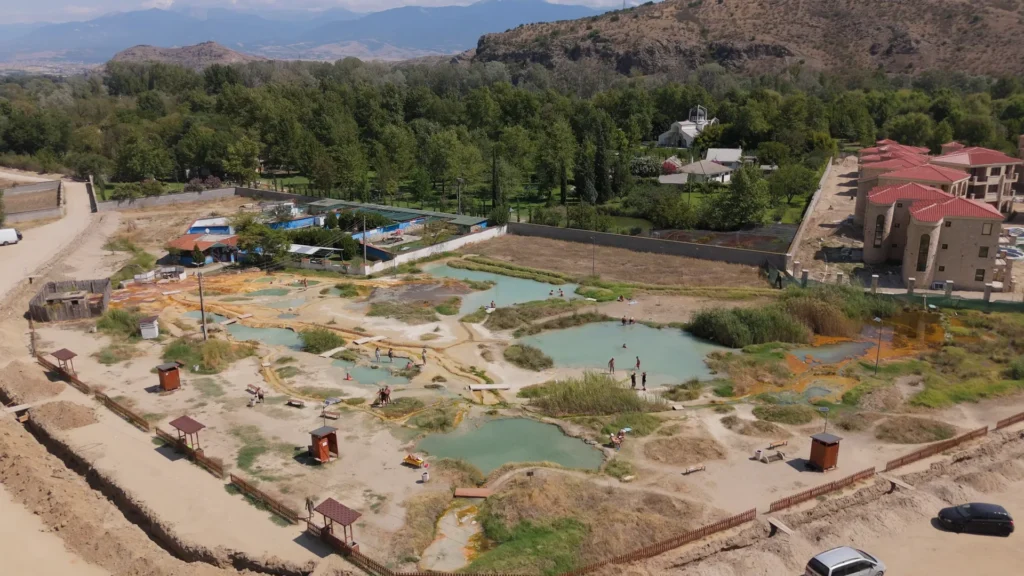
Rupite is not a spa town in the usual sense. It is a hot spring area in open countryside near Petrich, in the crater of an extinct volcano, with a large free zone and a small paid mineral bath.
The water. The springs come out at around 71 to 78 C and run over white and orange mineral terraces into turquoise pools, where the water cools to a comfortable bathing temperature. The water is rich in carbon dioxide, which is unusual for springs this hot.
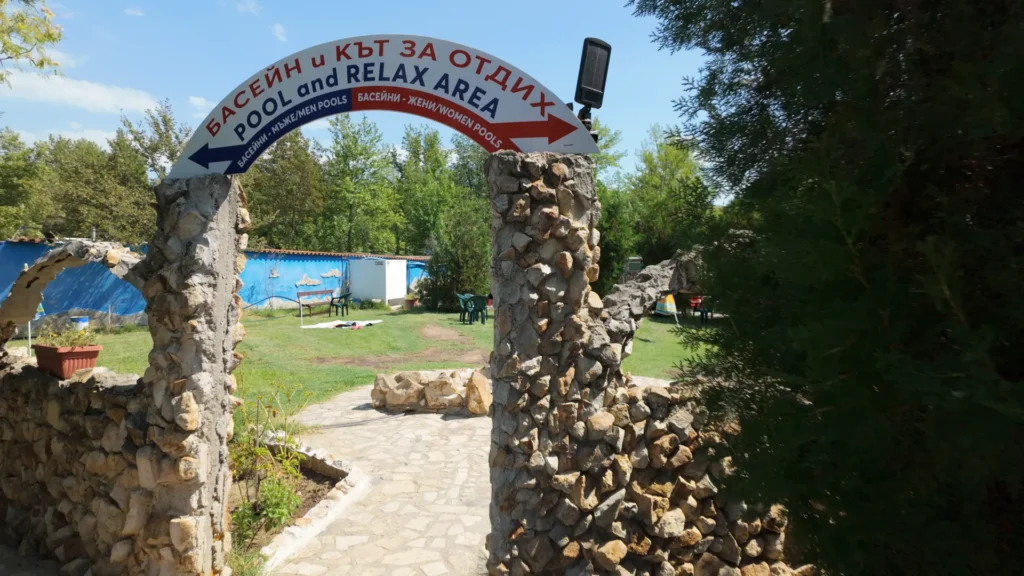
The sign at the mineral bath lists its uses: heart and blood vessel problems, early high blood pressure, nerves, rheumatism, kidneys and digestion, disc problems and infertility. It also advises 5 to 15 minutes at a time, and no bathing with severe heart disease, severe high blood pressure or after alcohol.
What is interesting here. Rupite is famous across Bulgaria as the home of Baba Vanga, the blind seer. Her house, her grave and the St. Petka church she inspired are right next to the springs, and many visitors come for both.
What everyone comes for. A soak in the open air. The free zone is the biggest part: white and orange travertine terraces with hot water running into shallow pools, where people sit wherever the temperature suits them. Next to it, the mineral bath has separate men’s and women’s pools and a garden for relaxing, for a small entrance fee.
When we filmed here in August 2025, part of the area was a building site. It is simple and a little wild, nothing like a hotel spa, which is exactly the charm.
Where to stay. There are no big hotels at the springs, so most people stay in Petrich, Sandanski or Melnik; you can find a hotel near Rupite.
Good to know
- When to go: spring and autumn, or early morning and late afternoon in summer, when the open plain gets very hot.
- Getting there: about 2.5 hours from Sofia by car, 15 minutes from Petrich.
- Budget: the terraces are free; the mineral bath pools cost around 2 to 3 EUR in 2025. Bring a swimsuit, water and sandals.
Nearby. Walk over to Baba Vanga’s house and the St. Petka church; our Rupite walk shows the whole complex. Melnik and Sandanski are both close enough for a night.
The full story is on our Rupite and Baba Vanga’s home page.
Banya near Bansko: ski in the morning, soak in the afternoon
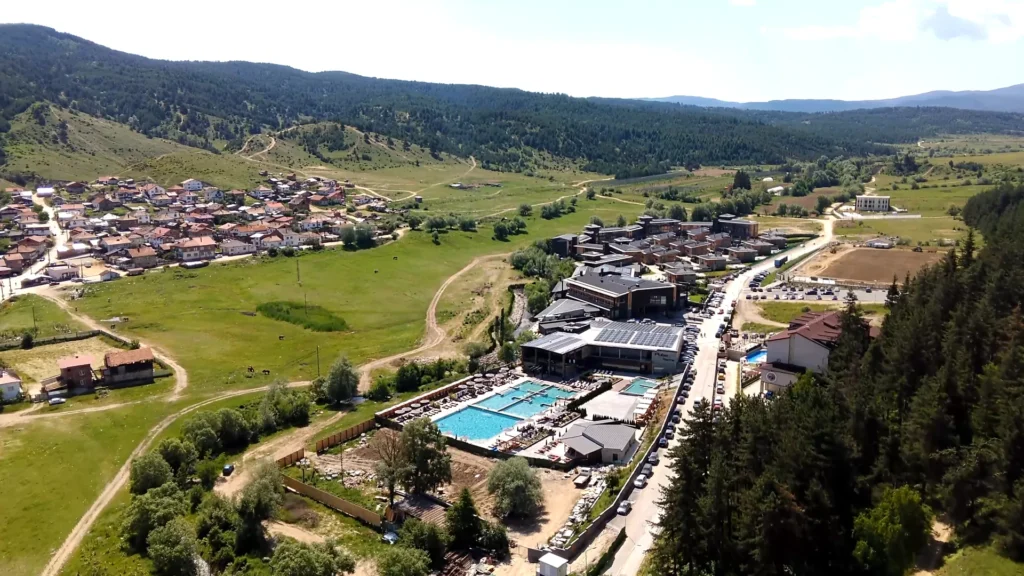
The village of Banya is just a few minutes from Bansko, Bulgaria’s biggest ski resort. This is where skiers end their day in hot water.
The water. Banya has more than 70 springs, between 37 C and 57 C, and the water is low in minerals and clean. It is used for joints, nerves and women’s health problems, and the Thracians settled here because of it.
What everyone comes for. Pulse Therme at the Grand Hotel Therme is the big new complex, opened in 2023, with mineral pools fed by its own spring. It is for guests aged 14 and over only. Regnum, also in Banya, is cheaper and family-friendly, and Alpha Spa in nearby Dobrinishte is the simple local option, cash only.
Where to stay. Stay in Bansko for the ski lifts and nightlife, or in Banya for quiet and the pools on your doorstep; you can find a hotel in Banya next to the springs.
Good to know
- When to go: December to March for ski and soak. Summer is quiet and good for hiking in Pirin.
- Getting there: about 2.5 hours from Sofia by car, then 10 minutes from Bansko.
- Budget: around 40 EUR for a full day at Pulse Therme; under 10 EUR at Alpha Spa.
Nearby. Bansko’s old town has stone houses, taverns and the start of the gondola into Pirin. We have walked Bansko but not the Banya spas; our Bansko tour from the old town to Todorka shows the resort.
Pomorie: healing mud by the Black Sea
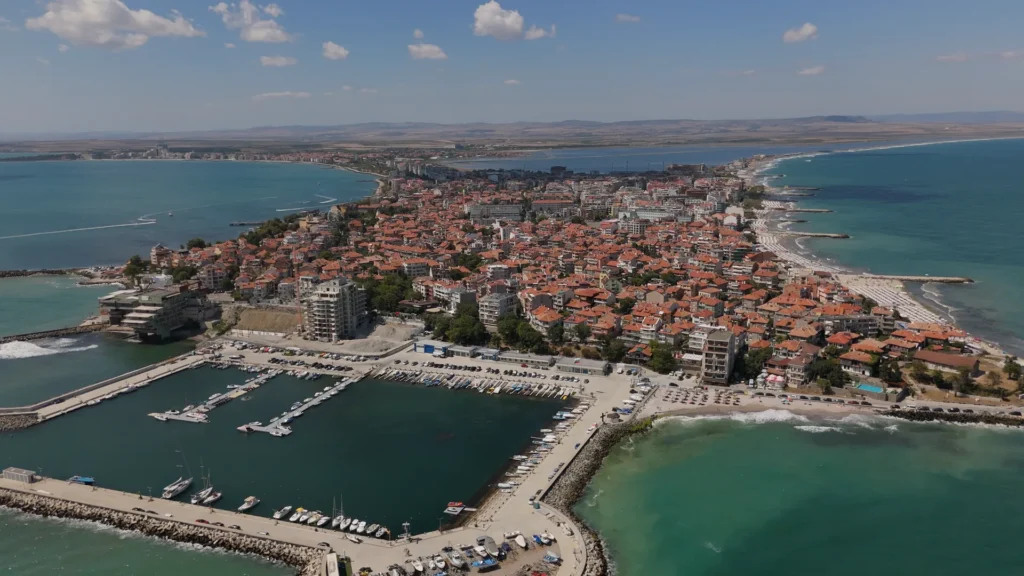
Pomorie is a seaside town on a narrow peninsula north of Burgas. Its secret is the salt lake next door: the mud from its bottom is used in what the state rehabilitation network calls the biggest mud-treatment centre in the Balkans.
The mud. Pomorie’s black mud is rich in sulphur, magnesium and other minerals, and it is used warm, as wraps and baths. Together with the lake water and the brine left over from salt-making, it is used for joints, back pain, skin problems like psoriasis and both women’s and men’s reproductive health.
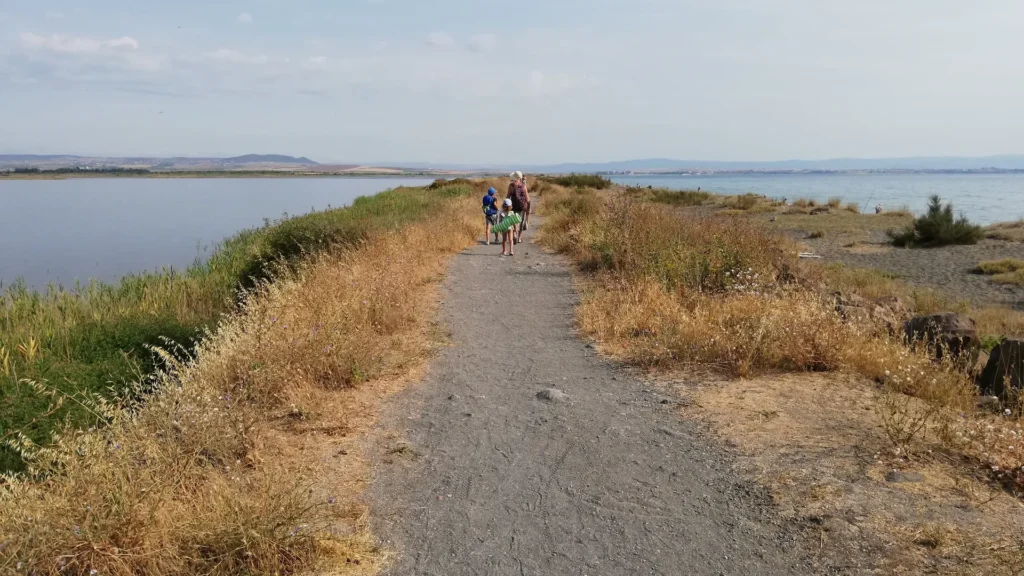
What everyone comes for. A beach holiday with treatments on the side. You can lie on the beach in the morning, have a mud wrap in the afternoon and walk the old town in the evening. The Museum of Salt shows how salt has been made here since ancient times.
Where to stay. Many Pomorie hotels have their own mud and spa centres, so compare hotels in Pomorie with a spa included. We reviewed Penelope Palace on our Travelinita channel:
Good to know
- When to go: May to October for sea and mud together; autumns are long and warm here.
- Getting there: about 20 minutes from Burgas airport, or around 5 hours from Sofia by car.
- Budget: mud procedures are usually booked as packages with a stay.
Nearby. Pomorie’s old town at night is lovely for an evening walk, and Burgas, with its long sea garden, is 20 minutes away.
Bankya: a half day from Sofia
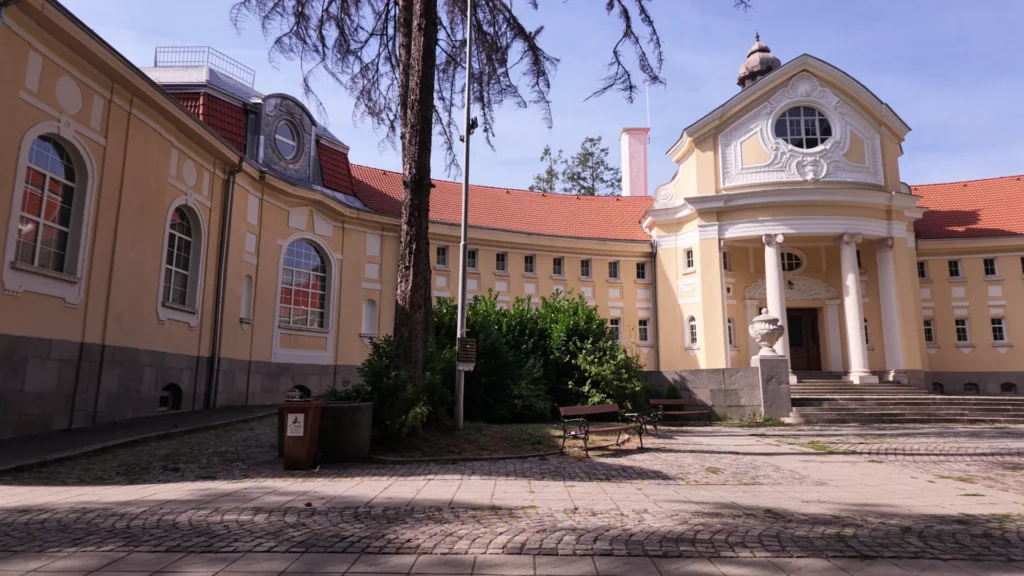
Bankya is a leafy spa town just 17 km from Sofia, so close that you can soak in the morning and be back in the city for lunch. Its name even means “small bath”.
The water. Bankya’s water comes out at a gentle 36.5 to 37 C, close to body temperature. It is soft and alkaline, and it is known above all for the heart: Bankya is Bulgaria’s national centre for heart rehabilitation. It is also used for nerves and stress.
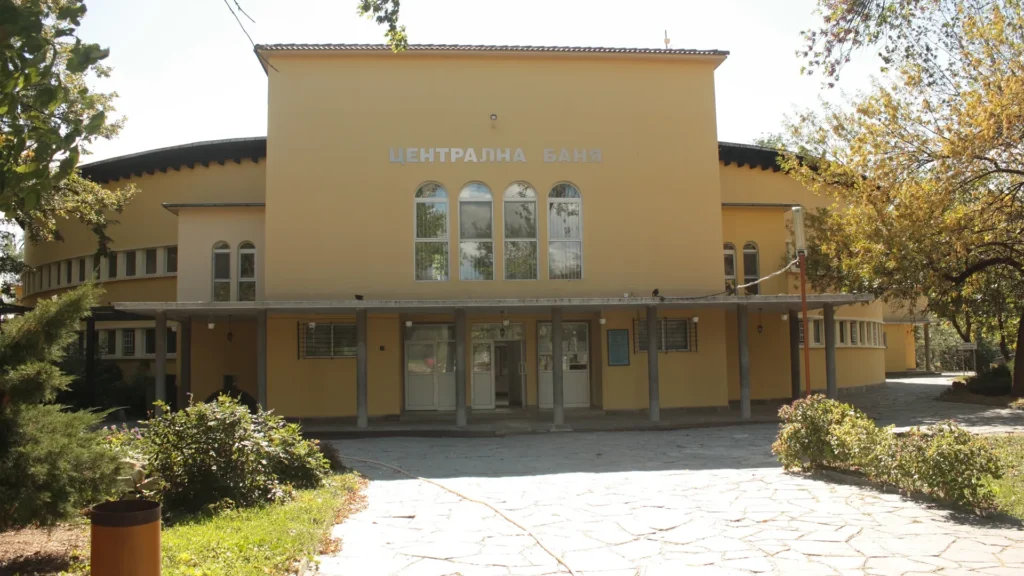
What is interesting here. The yellow Central Mineral Bath was the royal bath of its day, and it reopened after a full renovation in October 2022. Inside you get a warm mineral pool, mineral showers, steam baths and saunas. When we walked Bankya in October 2026, the park and promenade in front of the bath were the nicest part of town.
What everyone comes for. A relaxed half day: a session at the bath, a walk in the park and lunch. Our Bankya royal spa town walk shows the whole centre. For a quiet night outside the city, check hotels in Bankya near the park.
Good to know
- When to go: any time. The bath is open daily from 9:00 to 20:00.
- Getting there: about 30 minutes from central Sofia by car, taxi or bus.
- Budget: a 90-minute thermal session costs 7.67 EUR, and seniors pay half price Monday to Thursday before noon.
Nearby. Sofia is right next door, with its boulevards, markets and churches; our walk shows the side most visitors miss.
Kyustendil: the Romans’ town of baths
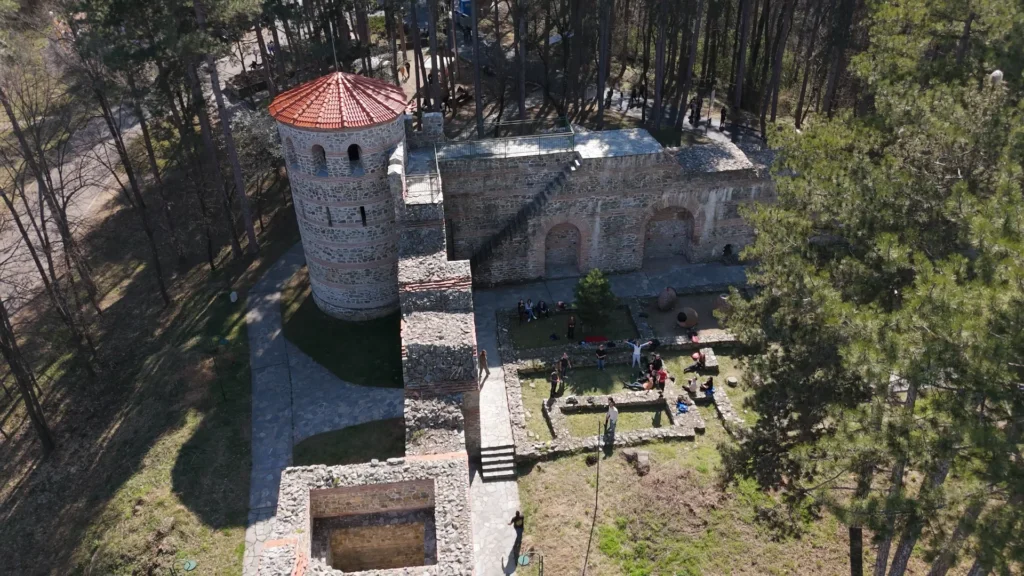
Kyustendil is an old town in the southwest, on the road to North Macedonia. The Romans loved it so much that they built a huge bath complex on its hot springs, and the ruins are still in the town centre.
The water. Kyustendil has about 40 springs, up to around 74 C, with a light smell of sulphur. Sulphur water like this is used for joints, nerves and skin problems. The area also has the biggest deposit of healing peat mud in Bulgaria, used in mud treatments.
What is interesting here. Walk past the Roman baths in the centre, then climb to the Hisarlaka fortress for a view over the whole valley. Our Kyustendil walk through 2,000 years takes you past both.
Where to stay. For a simple, friendly stay with mineral water, see our Ring & Thermal family hotel review. Strimon Garden is the bigger medical spa hotel in town. Both come up when you look at hotels in Kyustendil.
Good to know
- When to go: spring to autumn for walking; any time for the spas.
- Getting there: about 1.5 hours from Sofia by car or bus.
- Budget: hotel spas set their own prices, so check when you book.
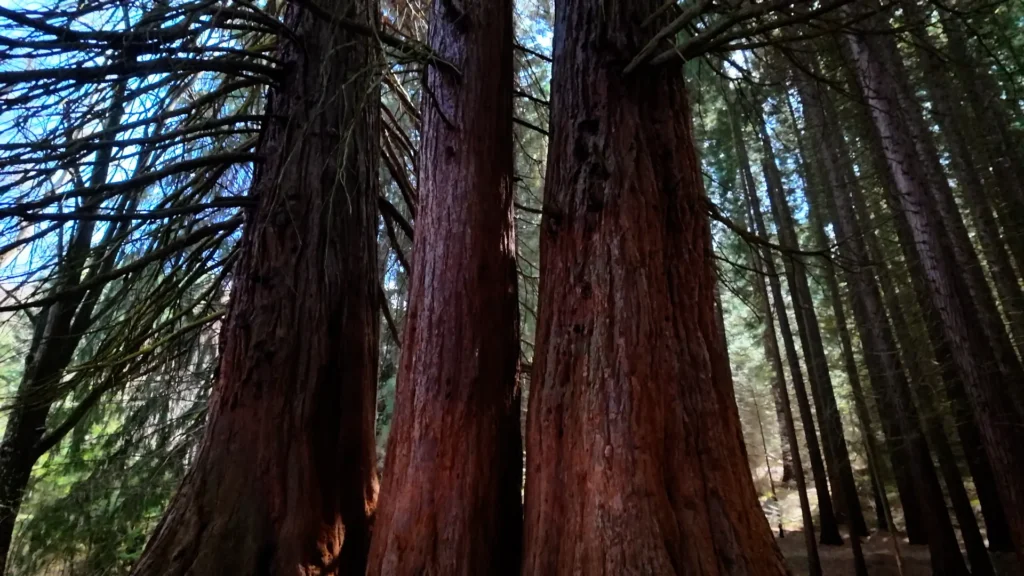
Nearby. Near the village of Bogoslov, a grove of giant sequoias grows on the hillside. Standing under them feels like being in California.
Varshets: Bulgaria’s oldest spa resort
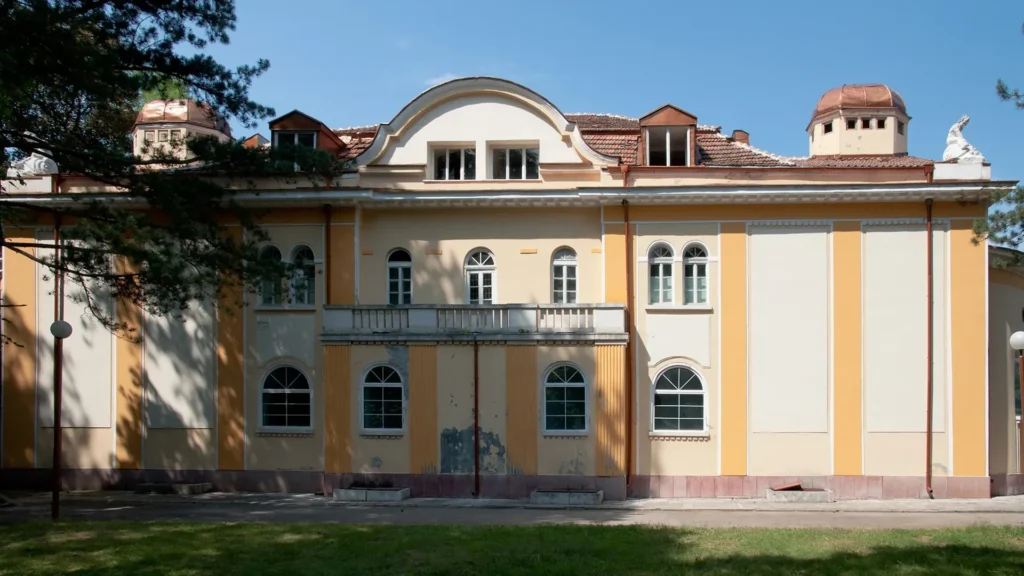
Varshets is a quiet little town at the foot of the Balkan Mountains, about 90 km north of Sofia. It is the oldest spa resort in Bulgaria, and it still has the calm, old-fashioned feel of a place where people come to slow down.
The water. Varshets’ springs come out at a steady 36 to 38 C, almost body temperature. The water has no limestone, which makes it one of the softest in Bulgaria. It is used above all for the heart, blood pressure, nerves and stress.
What is interesting here. Varshets has been a resort since around 1850, and the first mineral bath in Bulgaria opened here in 1910. The town is built around a big, shady park, and every August it holds a festival of the resort and its mineral water.
Where to stay. The state rehabilitation hospital here specialises in heart patients. SPA Hotel Medicus is a four-star choice, and it even runs mineral water to the bathrooms in its rooms. You can see hotels in Varshets for current prices.
Good to know
- When to go: late spring to early autumn, when the park is at its best.
- Getting there: about 1.5 to 2 hours from Sofia by car, over the Petrohan pass.
- Budget: most stays are sold as packages with treatments.
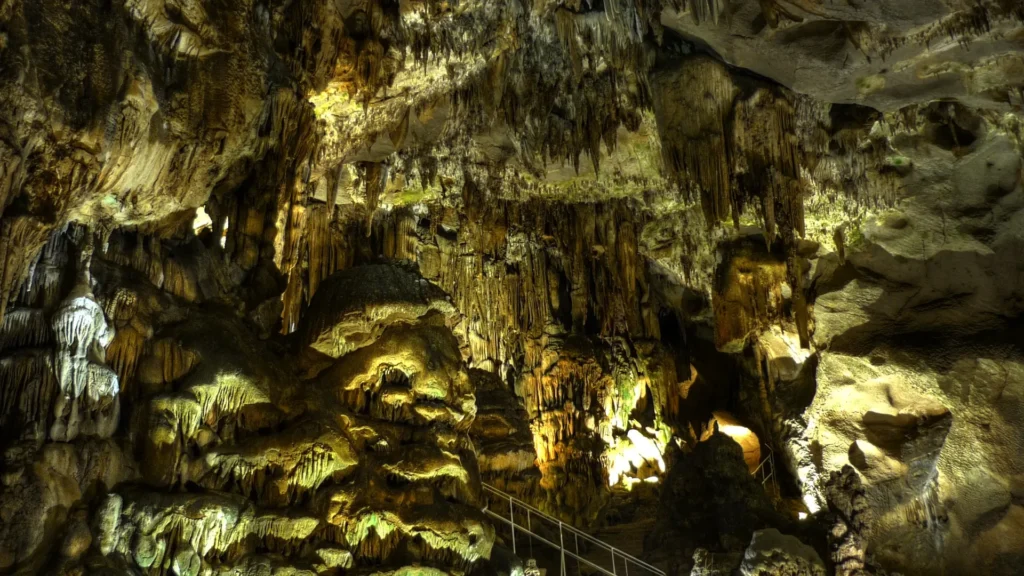
Nearby. The Ledenika Cave, one of the most beautiful caves in Bulgaria, is in the mountains above Vratsa, and the Klisura Monastery is just outside town.
Kostenets and Momin Prohod: easy breathing between Sofia and Plovdiv
Kostenets and the small spa town of Momin Prohod sit next to each other on the main road and railway between Sofia and Plovdiv. They are easy to reach and full of green, quiet places.
The water. The Momin Prohod springs come out at around 64 C. The water is low in minerals, contains radon, and is clear and pleasant to drink. It is used for breathing problems like asthma and bronchitis, for recovery after fractures and operations, and for skin problems like psoriasis.
What everyone comes for. Treatment and fresh mountain air. The state rehabilitation hospital in Momin Prohod is known for its children’s programmes, and the area has several spa hotels and villa complexes; you can find a hotel in Kostenets close to the springs.
Good to know
- When to go: all year; spring and autumn are lovely for walks.
- Getting there: about 1 hour from Sofia by car, or by train on the Sofia to Plovdiv line.
- Budget: hotels and the hospital sell stays with treatments; prices vary.
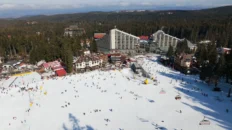
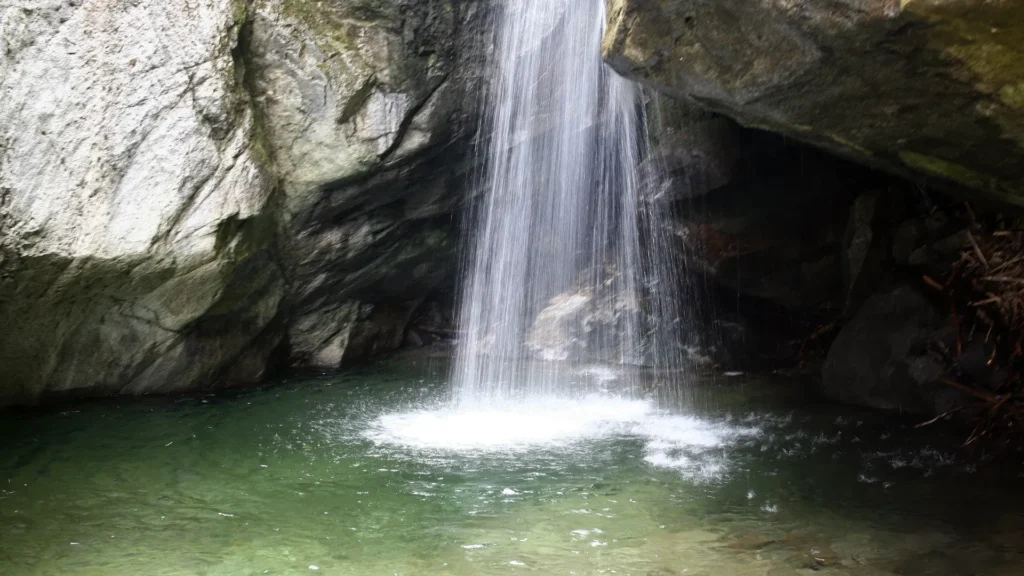
Nearby. The Kostenets waterfall is an easy walk into a rocky gorge. Borovets, Bulgaria’s oldest ski resort, is about half an hour away in the Rila pine forest.
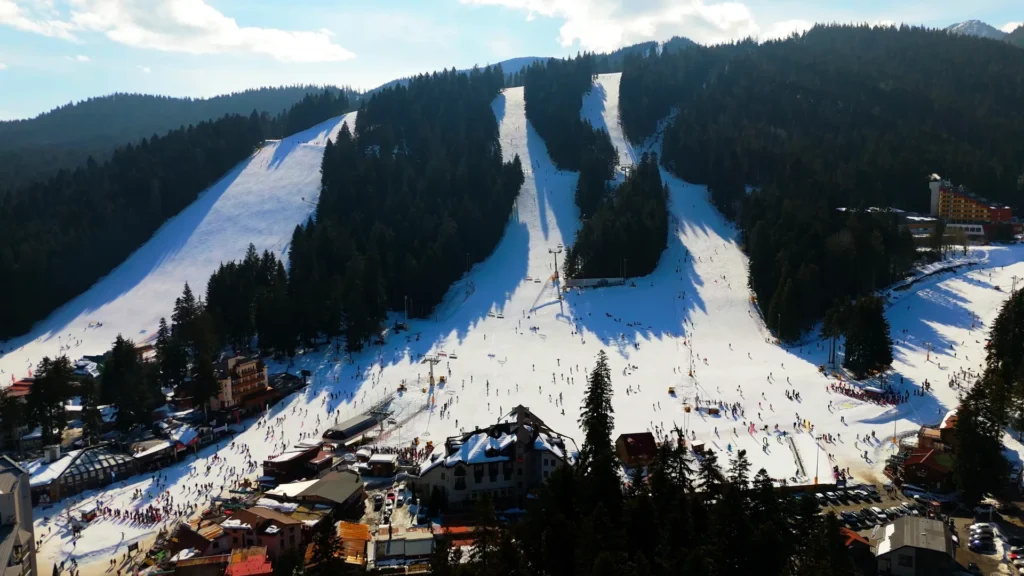
Our walk takes you from the resort to the top of the Yastrebets gondola.
If you decide to stay in Borovets, we reviewed Hotel Lion, a cosy mountain hotel among the pines.
Devin: open-air pools in the deep Rhodopes
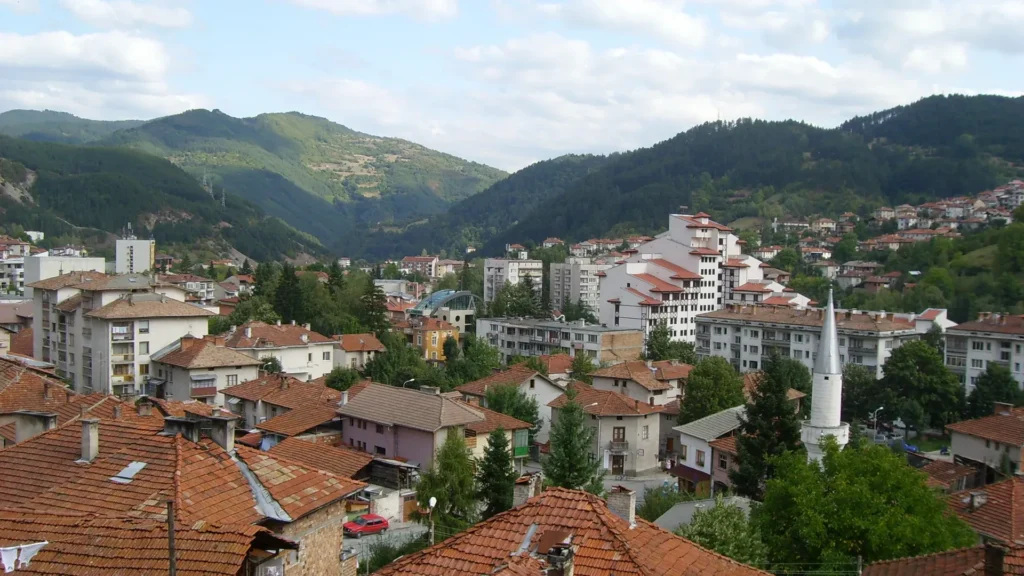
Devin is the town behind Bulgaria’s best-known bottled water. It lies deep in the Rhodope Mountains, surrounded by gorges, caves and pine forest.
The water. Devin’s springs run from cool to 76 C. Bathing in them is used for joints, nerves and skin, and drinking the water is used for digestion, the liver and the kidneys. It is the same water that fills the bottles in every Bulgarian shop.
What everyone comes for. Nature with a hot soak at the end of the day. Ismena SPA has the only open-air mineral pools in Devin, open all year, though they are sold mainly with a stay. Above the town, the Struilitsa mineral complex takes day visitors.
Where to stay. Ismena, Persenk and Devin Spa are the hotels most visitors pick; you can see hotels in Devin for current rates.
Good to know
- When to go: late spring to autumn, when the mountain roads are easy.
- Getting there: about 3.5 hours from Sofia. A car is a must.
- Budget: about 10 EUR for a day at Struilitsa.
Nearby. The Trigrad Gorge, with its towering white cliffs, and the Devil’s Throat Cave are both within reach for a day.
Narechen: a quiet Rhodope spa village
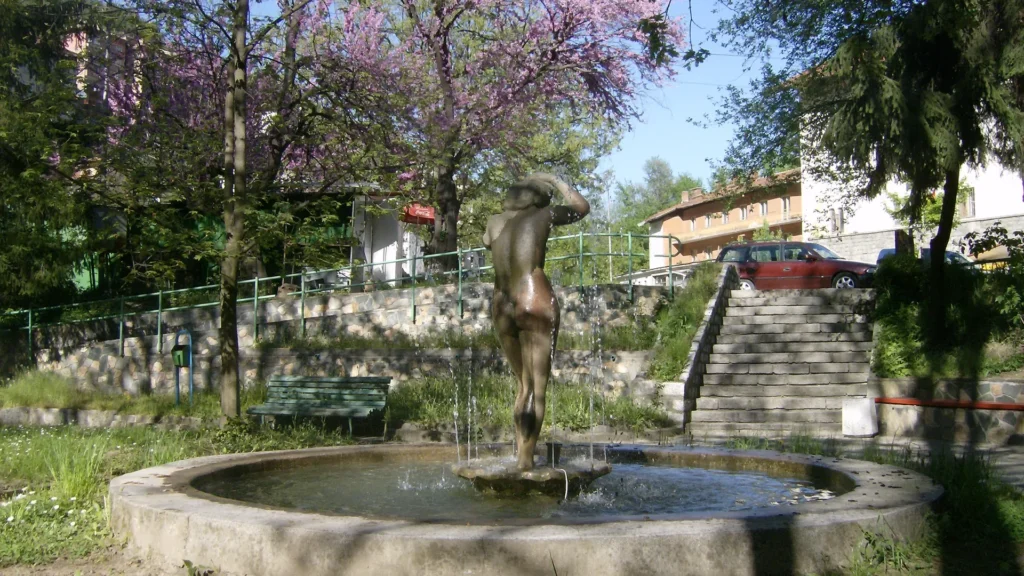
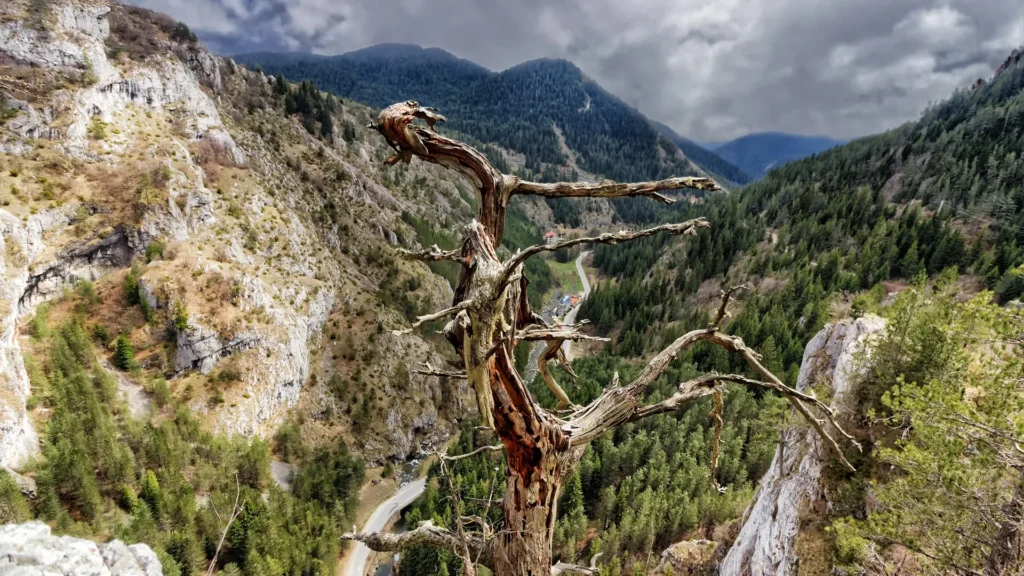
Narechenski Bani is a small village in a gorge of the Rhodope Mountains, about 40 km south of Plovdiv on the road to Pamporovo. It is peaceful, green and a little old-fashioned.
The water. Narechen’s water is cooler than most, clear and pleasant to drink, with radon and fluorine. It is used for nerves, stress and high blood pressure, and the state rehabilitation hospital here is Bulgaria’s national training centre for people with diabetes.
What everyone comes for. Rest, mountain air and treatment. There are dozens of walking routes into the hills around the village, and you can book a room in Narechenski Bani near the park.
Good to know
- When to go: spring to autumn.
- Getting there: about 1 hour from Plovdiv by car; buses to Smolyan and Pamporovo stop in the village.
- Budget: stays are usually booked with treatments.
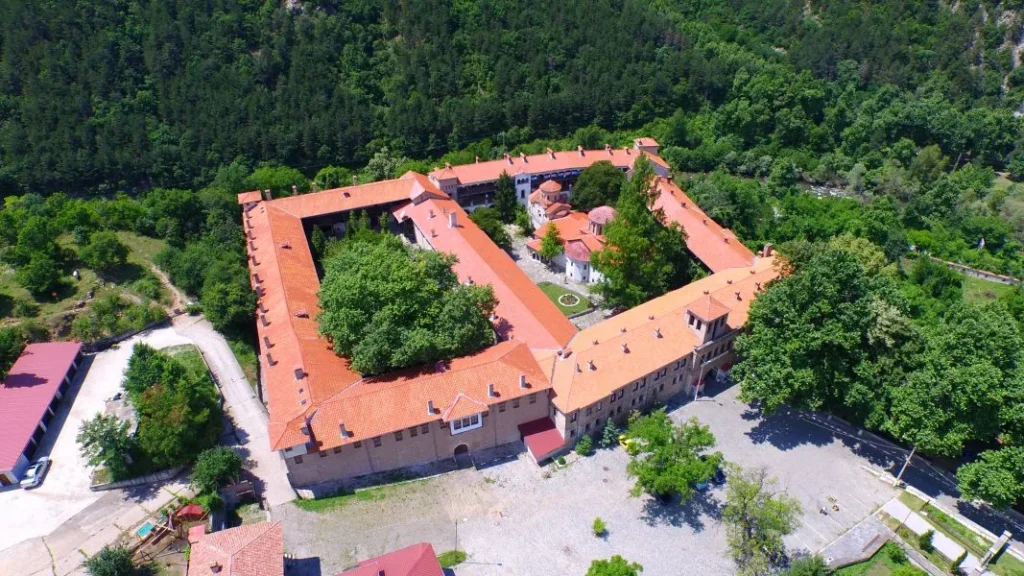
Nearby. The Bachkovo Monastery, the second largest in Bulgaria, is only 15 km away, and the Wonderful Bridges rock arches are a classic Rhodope day trip.
Pavel Banya: Bulgaria’s recovery town
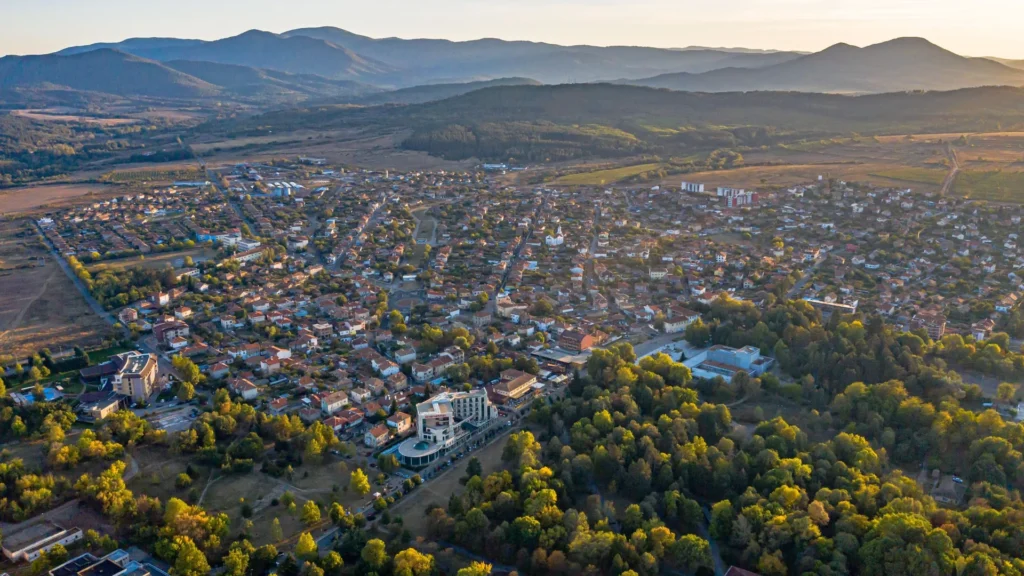
Pavel Banya is a quiet little town in the Rose Valley, in the middle of Bulgaria. It is the place Bulgarians go to recover after an injury or a joint operation.
The water. The springs come out at around 57 to 59 C. The water is low in minerals and contains fluorine and a little radon. It is used for joints, the spine, back pain and recovery after fractures and orthopaedic surgery, and the state rehabilitation hospital here specialises in exactly that.
What everyone comes for. Treatment and rest. The spa hotels here take their medical side seriously, and the best ones are booked months ahead. Atmosphere Balneo is the five-star choice, and Sevtopolis and Markoni are well-known medical spa hotels.
Where to stay. Book early and check hotels in Pavel Banya for your dates.
Good to know
- When to go: early June, for the Rose and Mineral Water Festival, or any time for treatment.
- Getting there: about 2.5 hours from Sofia by car, or by train on the Sofia to Burgas line.
- Budget: most stays are sold as packages with treatments; book directly with the hotel.
Nearby. Just 12 km away, in the village of Skobelevo, the Damascena ethnographic complex is a family rose distillery where you can watch rose oil being made in season. It has an old distillery set up the way rose oil was made more than three centuries ago, a collection of old village life, a rose garden and a restaurant, and it is open all year with a guide.
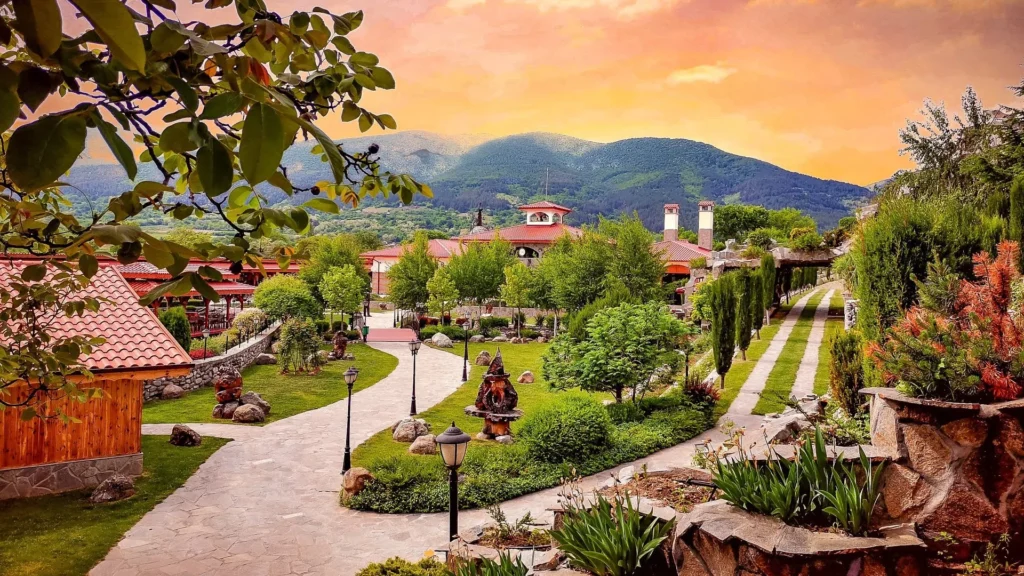
Kazanlak, with its Thracian tomb and rose museum, is half an hour away (see the next section), and Stara Zagora, a relaxed city of wide boulevards, is under an hour.
Kazanlak: spa hotel in the Valley of the Roses
Kazanlak is the heart of Bulgaria’s Rose Valley, a town of rose gardens, Thracian history and, on its edge, a big spa resort. It is a good base if you want a proper spa week and a lot to see between treatments.
The water. The hotel sits in the Kazanlak mineral baths area and has its own mineral water. We could not find a published temperature or mineral analysis, so ask the hotel before you book if the exact water matters for your condition.
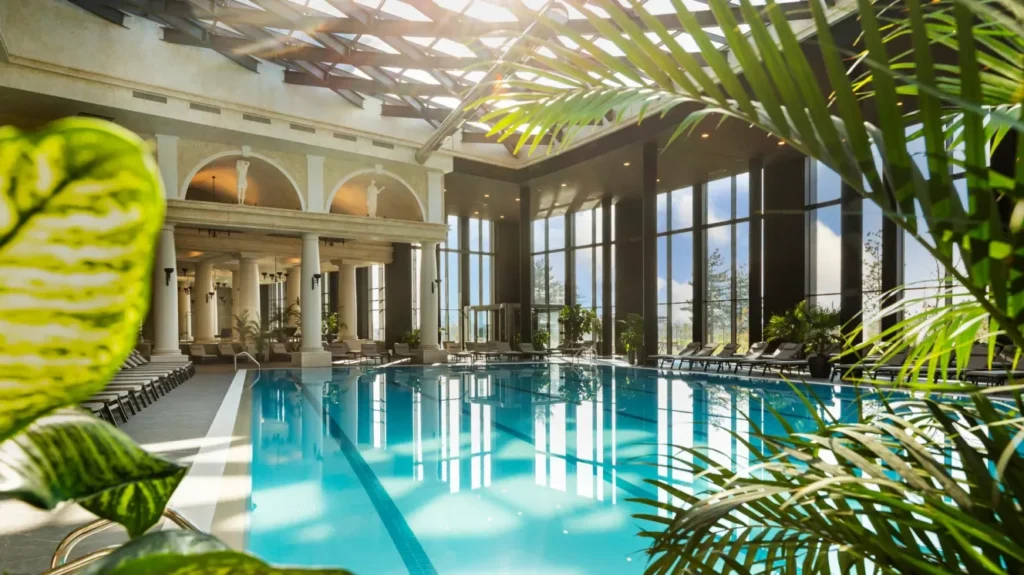
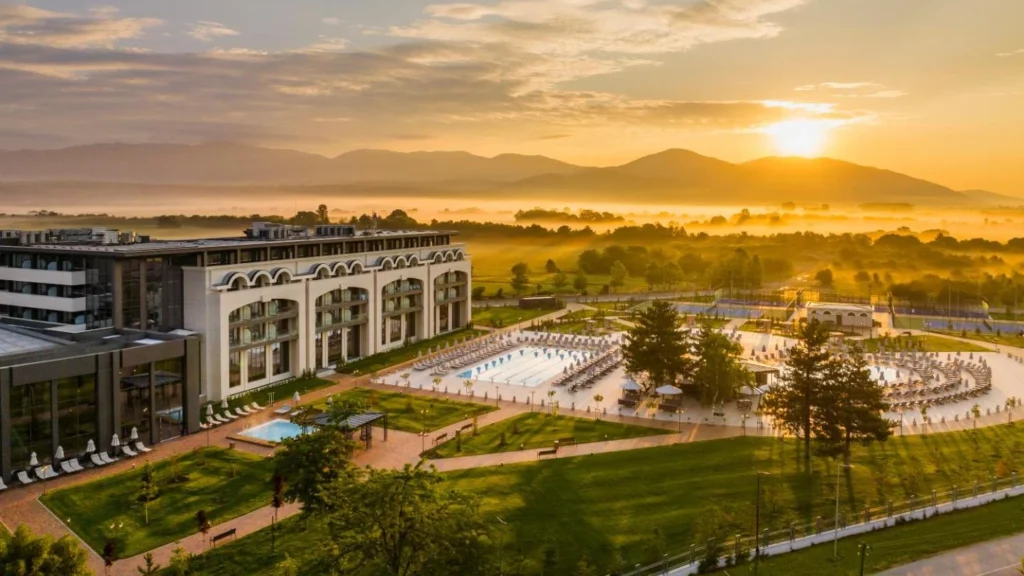
What everyone comes for. The Kings’ Valley Medical & Spa Hotel is a large spa and medical resort with eight mineral pools, four indoor and four outdoor. Its spa centre covers about 4,000 square metres and offers balneotherapy, physiotherapy and rehabilitation, massages and a salt room. Medical programmes start with a health check and a doctor-prescribed course of treatments.
Our view. We have not stayed here ourselves, but friends who have tell us it is excellent. The details come from the hotel and the Bulgarian press, and we would put it at the top of the list in this town.
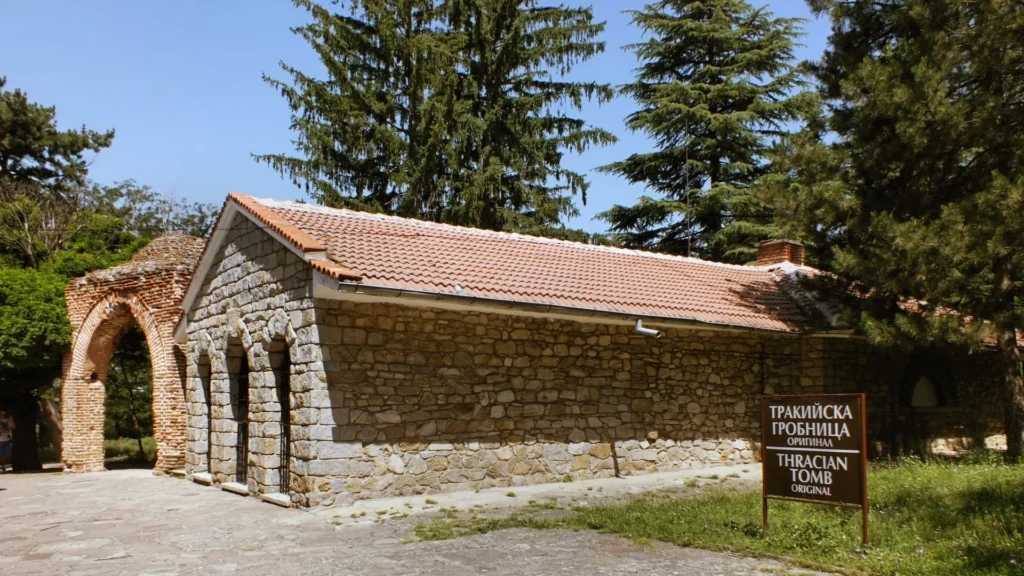
What is interesting here. The Thracian Tomb of Kazanlak, a UNESCO World Heritage site, has wall paintings more than 2,000 years old. The original is closed to protect it, and a full-size replica nearby is open to visitors. The Rose Valley is at its best in late May and early June, when the rose harvest and the Rose Festival take over the town.
Where to stay. The hotel has 266 rooms and suites, and rose season is the busy time. Check hotels in Kazanlak for your dates, and ask the hotel about day passes if you are not staying.
Good to know
- When to go: late May to early June for roses, or any time for treatment.
- Getting there: about 2.5 hours from Sofia by car.
- Budget: check packages with treatments, which are usually better value than a room only.
Nearby. Pavel Banya, the recovery town above, is half an hour away, and the Damascena rose complex in Skobelevo is close too.
Banya near Karlovo: a warm pool all winter
Banya, also called Karlovo Mineral Baths, is a small, sleepy spa town under the Sredna Gora hills. It claims 76 springs, a record for one small town.
The water. The main spring comes out at around 49.5 C. The water is soft and alkaline, and it is used for joints, the spine, nerves and psoriasis. Unlike Hisarya next door, this water is not meant for drinking.
What everyone comes for. Hotel Tsarska Banya has an outdoor mineral pool at around 32 C, plus a hotter pool, and it is open to day visitors all year. Sitting in it on a frosty morning is the whole point of coming, and you can book a room in Banya to make a night of it. In the centre, you can still see the Central Bath and the old Royal Bath built for the king.
Good to know
- When to go: winter for the outdoor pool, May and June for the rose harvest nearby.
- Getting there: about 50 minutes from Plovdiv by car.
- Budget: around 10 EUR on weekdays and 15 EUR at weekends for a day at Tsarska Banya.
Nearby. Kalofer, the hometown of the poet Hristo Botev, sits at the foot of the Balkan Mountains half an hour away, and Hisarya is only 15 minutes south.
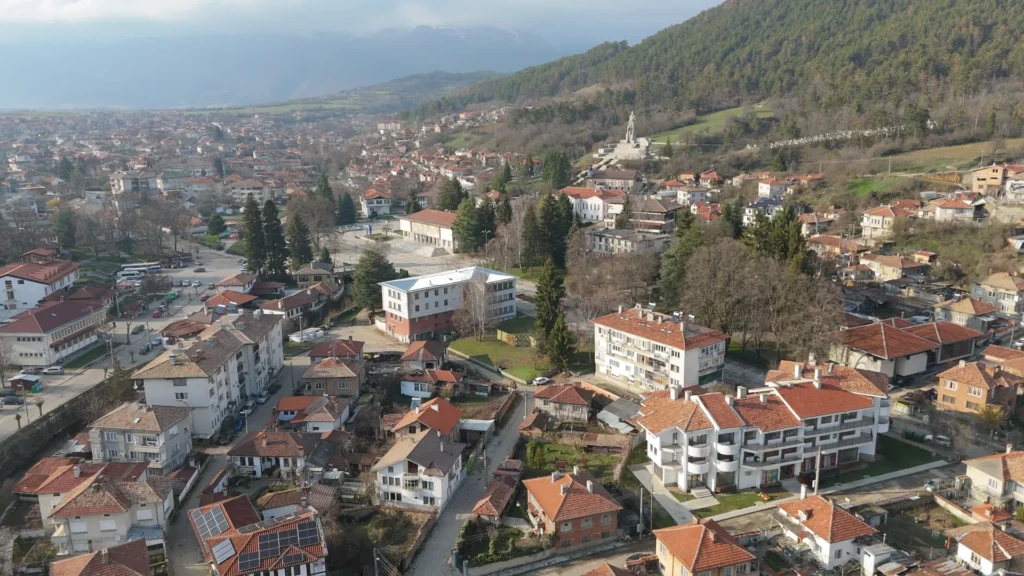
Strelcha: a rose town with healing water
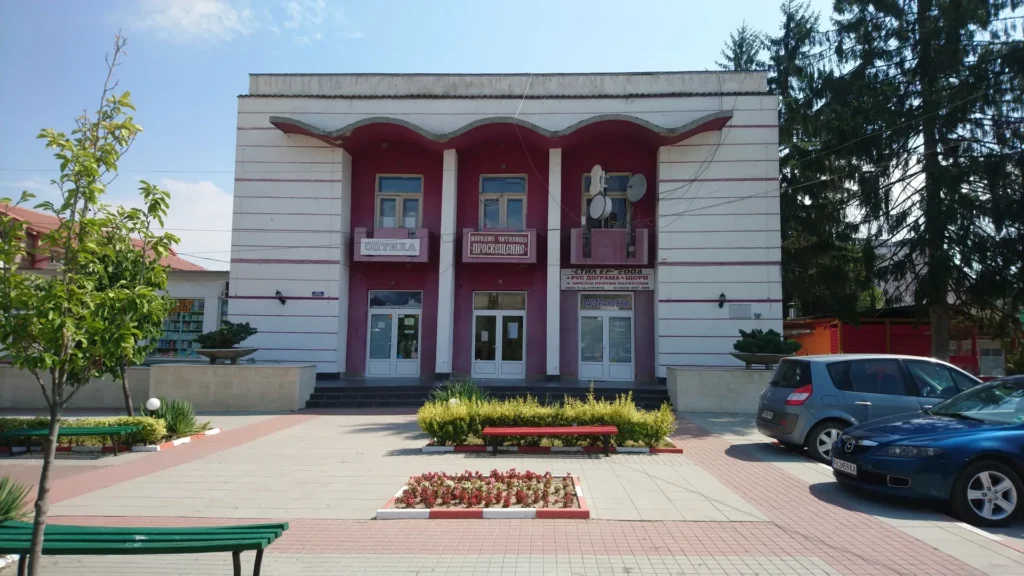
Strelcha is a small, quiet town in the Sredna Gora hills, surrounded by rose fields. It was declared a national spa resort in 1969, and the number of visitors has been growing every year.
The water. Strelcha has three mineral springs, the warmest at around 56 C. The water is low in minerals, with fluorine, and can be used for bathing, drinking and inhaling. It is used for joints, nerves, women’s health and even eye problems, and for the heart, breathing and digestion.
What everyone comes for. Treatment and rest at Roza Balneohotel, the town’s spa complex. Its water comes out at around 56 C, soft, low in minerals and slightly radioactive, and it fills indoor healing pools and an outdoor mineral pool in the warm months. A doctor sees you on arrival and sets your procedures: mineral and underwater massage baths, inhalations, physiotherapy and exercise in the water.
Where to stay. Roza even has mineral water running in its rooms, and the old Bancheto spring is a short walk outside town. You can check hotels in Strelcha for your dates.
Good to know
- When to go: May and June for the rose season, or any time for treatment.
- Getting there: around 2 hours from Sofia and 1.5 hours from Plovdiv by car.
- Budget: stays are usually booked with treatments.
Nearby. Koprivshtitsa, one of the most beautiful old villages in Bulgaria, is about half an hour away, and the Thracian temple at Starosel and the Zhaba Mogila Thracian sanctuary are close too.
More spa towns worth knowing
If you want to go further, these smaller spa places all have mineral water and medical spa centres:
- Banite, deep in the Rhodopes near Smolyan, has warm water at around 43 C and a state rehabilitation hospital for joints and digestion.
- Starozagorski Bani, 15 km from Stara Zagora, is a forest spa village with Roman remains.
- Burgaski Mineralni Bani, just outside Burgas, was the Roman spa of Aquae Calidae and is now a quiet spa village.
- Belchinski Bani, about an hour from Sofia under Rila, has a modern spa complex with its own spring.
- Slivenski Mineralni Bani near Sliven and Haskovski Mineralni Bani near Haskovo are two more spa resorts with hotels on their mineral springs.
Before you go
A few simple tips will make your first Bulgarian spa trip easier.
- Bring a swimsuit. Swimwear is worn in every pool and sauna, so pack flip-flops and a towel too. Some indoor pools ask for a swim cap.
- Try the fountains. Fountains marked for drinking are safe and free. The water can be warm and strongly mineral, so start with a few sips.
- Treatments start with a doctor. At medical spas, a short check with the spa doctor comes before any treatment, so allow time for it.
- Fly into Sofia, Plovdiv or Burgas. You can check flights to Bulgaria on Kiwi. A rental car makes it much easier to reach the smaller towns.
- Sort out mobile internet. If your phone plan doesn’t cover Bulgaria, which is the case for most visitors from outside the EU, an eSIM from Saily gets you online as soon as you land.
The health uses above are traditional spa indications, not medical advice, so talk to your doctor before a course of treatment.