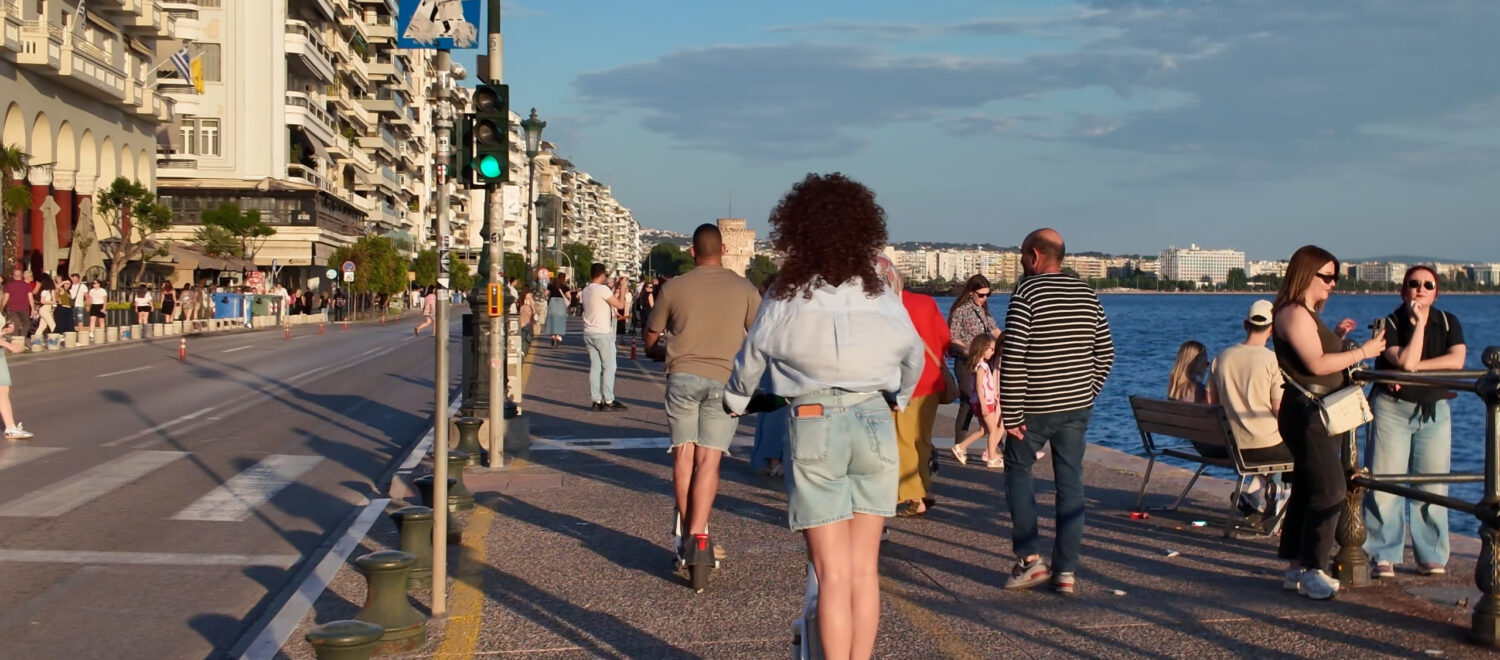
📍 Location: Thessaloniki, Greece
📹 Filmed on: May 31, 2026
⛅ Weather: 31 °C
🎧 This video features binaural audio – for the best experience, use headphones.
📜 Don’t forget to turn on subtitles for travel tips and additional information.
Chapters
0:00 Thessaloniki Waterfront – Pentecost Evening
2:06 Aristotelous Square
4:28 Pentecost Basketball Event
6:39 Aristotelous Street
15:04 Horseshoe Square & Venizelos Statue
24:20 Tsimiski Street
38:10 Walking Toward the White Tower
41:46 The White Tower
43:27 White Tower Square
49:06 Street Performances at the White Tower
52:06 Leoforos Nikis – The Sea Promenade
1:06:54 Aristotelous Square – Food & Nightlife
About Thessaloniki
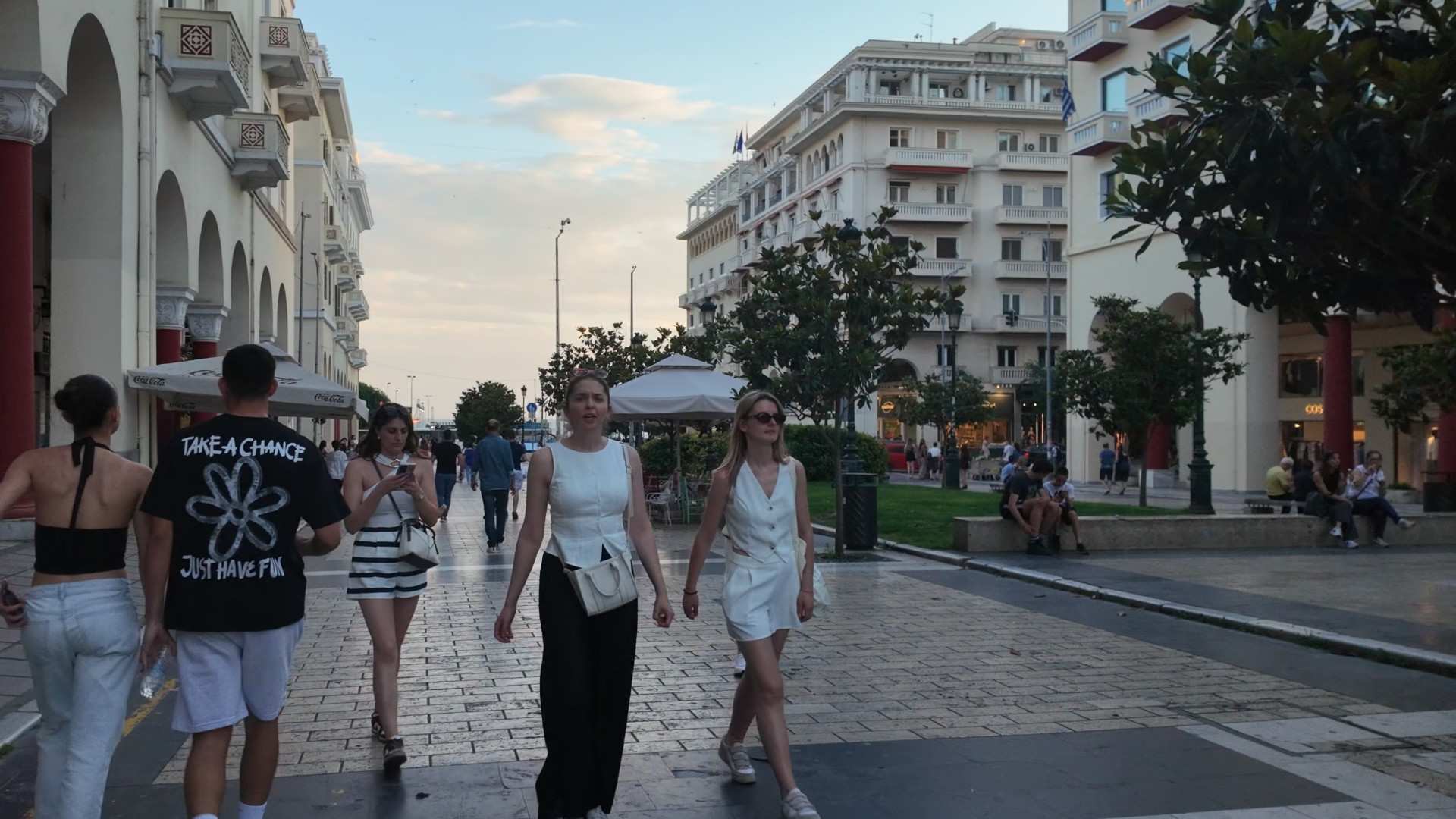
Thessaloniki was founded in 315 BC and named after the half-sister of Alexander the Great. That one fact tells you something about the kind of city this is – old, connected to serious history, and carrying a weight that most places can only claim from a distance. It is Greece’s second largest city, with a greater metro area of over one million people, sitting on the Thermaic Gulf in the north of the country.
Cyril and Methodius – the men who created the Cyrillic alphabet, now used by hundreds of millions of people across the Balkans and Eastern Europe – were born here. So was Mustafa Kemal Atatürk, the founder of modern Turkey. The city has more UNESCO-listed Byzantine monuments than anywhere else in the world. The entire center is walkable and remarkably compact given the scale of history packed into it.
Thessaloniki is also widely considered the food capital of Greece. The nightlife is among the best in the country. The sea promenade fills every evening and the city does not slow down early. If you are planning a trip to northern Greece, Thessaloniki is not a stop on the way to somewhere else – it is the destination.
History and Interesting Facts
Cassander, one of Alexander the Great’s generals, founded Thessaloniki in 315 BC by merging several smaller settlements. He named the city after his wife – Thessaloniki, Alexander’s half-sister – who was herself named after a Macedonian victory in the region of Thessaly. The name has barely changed in over 2,300 years.
Under Rome, the city became one of the most important stops on the Via Egnatia – the great road connecting the Adriatic coast to Byzantium. It grew into a major commercial and administrative hub. The Apostle Paul preached here during his second missionary journey, and two of the letters in the New Testament – First and Second Thessalonians – were written directly to this city’s early Christian community.
During the Byzantine period, Thessaloniki was the empire’s second city after Constantinople. The Rotunda, the Arch of Galerius, and Hagia Sophia all date from this era. In 863, the brothers Cyril and Methodius – born in the city – were sent as missionaries to the Slavic peoples. The alphabet they developed, later refined into the Cyrillic script by their disciples, is now the writing system for Bulgarian, Russian, Serbian, Ukrainian, and dozens of other languages.
The Ottomans took the city in 1430 and ruled for 482 years. Under Ottoman rule, Thessaloniki became one of the most cosmopolitan cities in the empire – home to large Greek, Jewish, and Muslim communities living alongside each other. Mustafa Kemal Atatürk, who would go on to found the modern Republic of Turkey, was born here in 1881. His birthplace still stands in the city center.
In 1912, Greece took the city back during the First Balkan War. Then in 1917, the Great Fire swept through almost the entire center and left 70,000 people homeless overnight. The international community funded a full reconstruction. French architect Ernest Hébrard designed the new city plan – the grid of wide boulevards, the colonnaded ground floors, the horseshoe at the top of Aristotelous, all of it dates from that rebuild.
During World War Two, Thessaloniki lost the majority of its Sephardic Jewish population – once one of the largest such communities in the world, numbering over 50,000 people – to the Holocaust. The city has not forgotten this history.
Main Attractions
Aristotelous Square
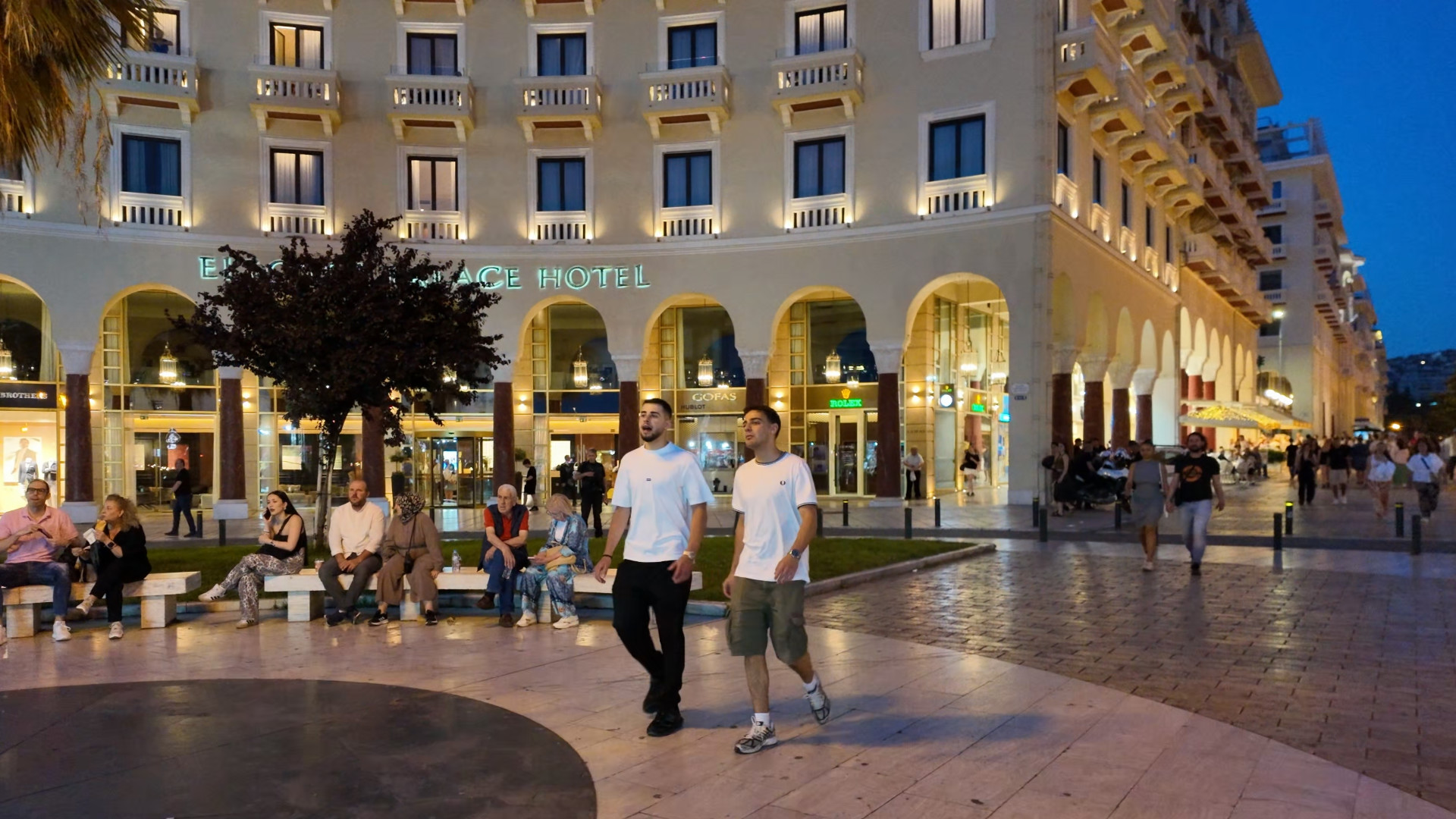
Aristotelous Square is one of the largest and most striking squares in Greece. It was designed by Ernest Hébrard after the 1917 fire as the centerpiece of the rebuilt city. One end of the square opens directly to the seafront, which is unusual for a city-center square of this scale. The colonnaded buildings lining both sides give it a covered walkway on hot days.
On public holidays and summer evenings, the square fills completely. During our visit on Pentecost night, a live basketball event was running in the middle of it. That kind of spontaneous use of the space is very Thessaloniki.
Aristotelous Street and the Horseshoe
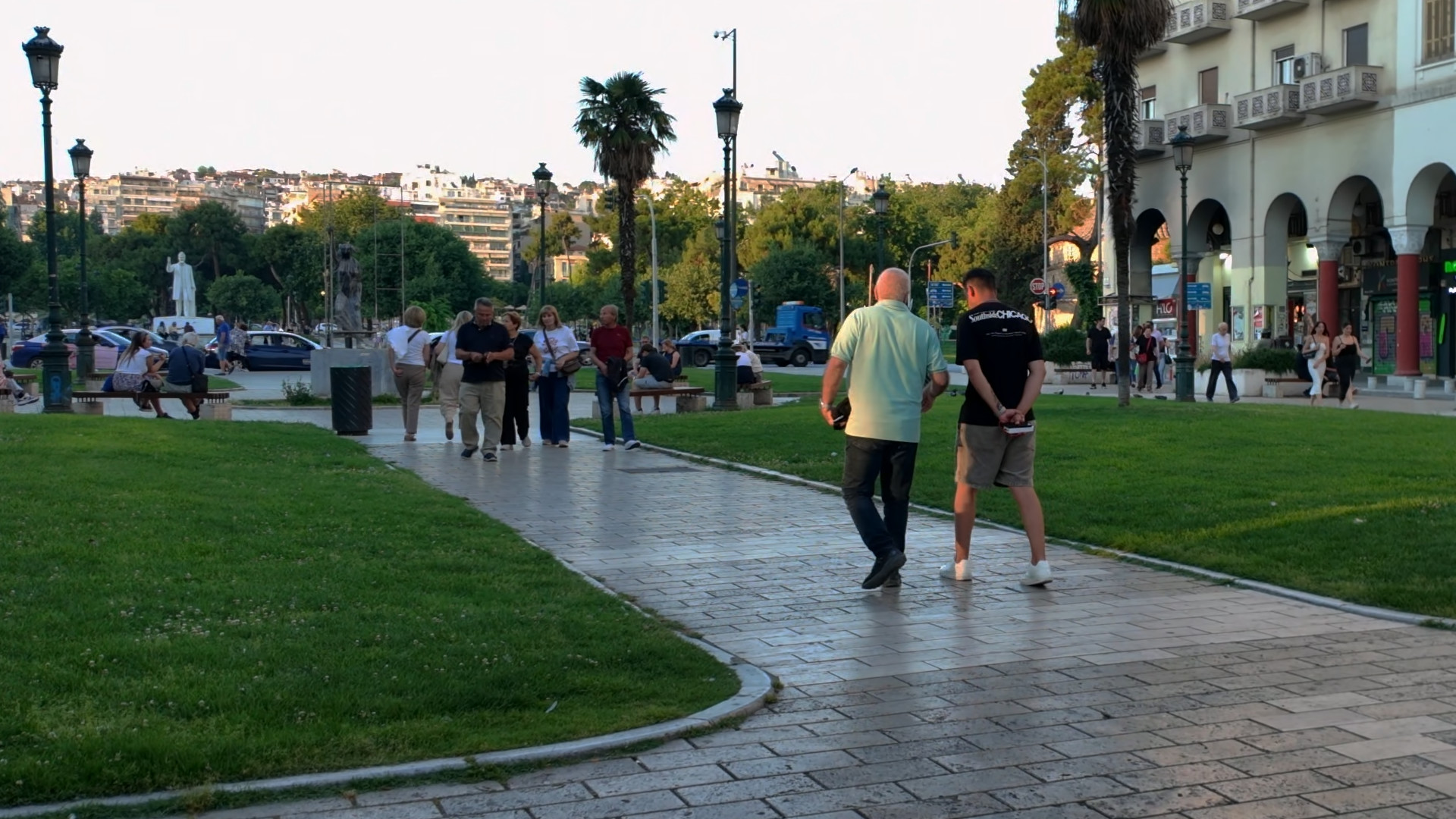
Aristotelous Street runs from the waterfront all the way up to the curved Horseshoe at the upper end – a distance of 600 meters. Named after the philosopher born near the city, it is the main boulevard of Thessaloniki and the spine of Hébrard’s city plan. The ground floors are colonnaded the entire length, with covered walkways on both sides.
The Horseshoe at the top is the architectural crown of the boulevard – a curved semicircular space that frames the view back toward the sea. From here, looking south, you get the full length of Aristotelous with the gulf in the distance. It is one of the better urban views in Greece. Worth stopping for a few minutes before moving on.
Bey Hamam – The Paradise Baths
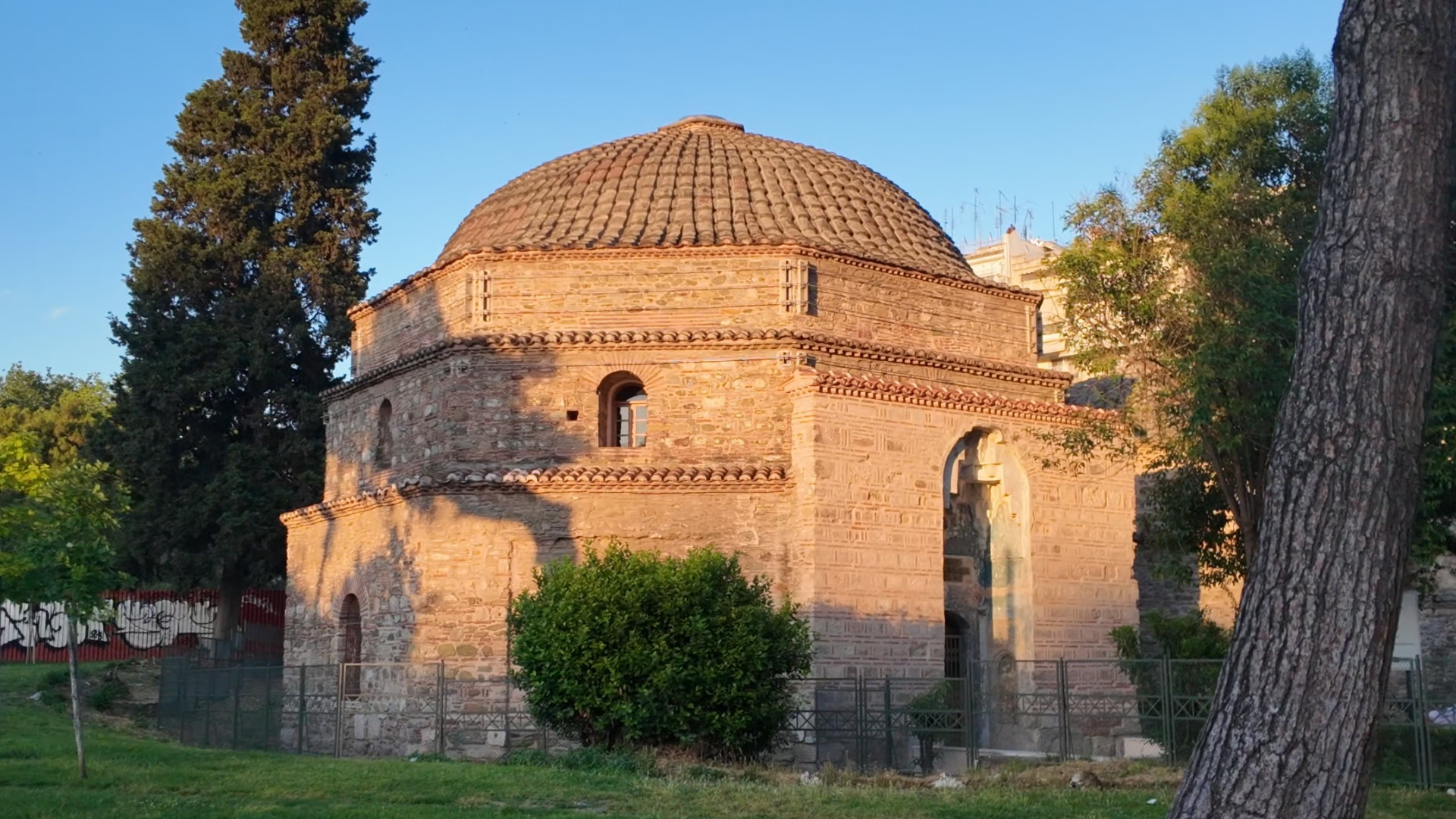
The Bey Hamam – known as the Paradise Baths – was built in 1444, just 14 years after the Ottoman conquest. It is one of the oldest buildings still standing in Thessaloniki. The structure survived the Great Fire of 1917 and stands near the upper end of Aristotelous Street. It is no longer in use as a bathhouse but the exterior is well worth a look on any walk through the area.
Tsimiski Street
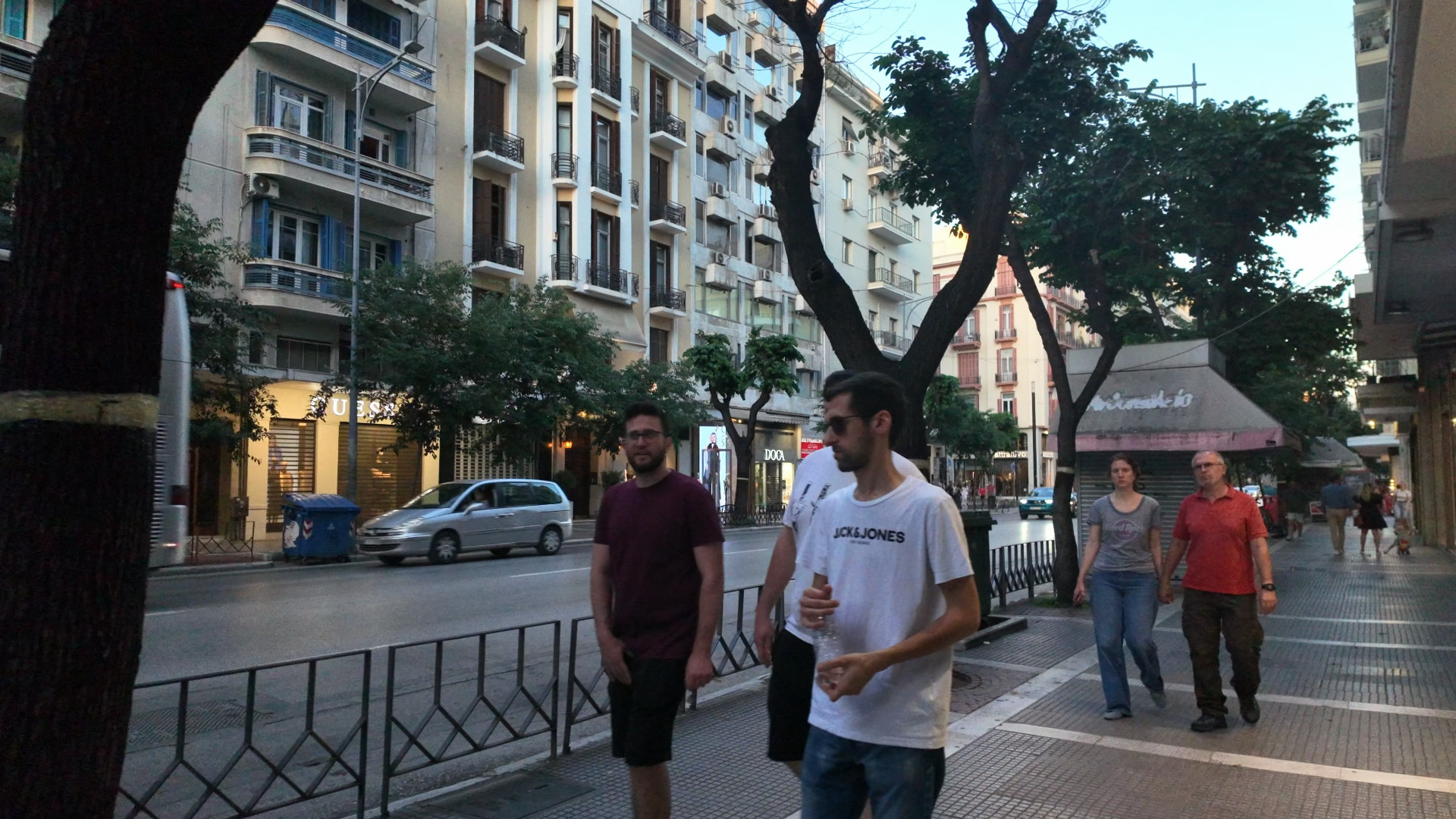
Tsimiski Street is the main shopping street of Thessaloniki, running parallel to Aristotelous. It is named after Byzantine Emperor John I Tzimiskes, who ruled from 969 to 976 and was one of the most capable military commanders in Byzantine history. The street mixes international brands with local shops and is always busy. It connects the heart of the city with the direction of the White Tower.
The Rotunda
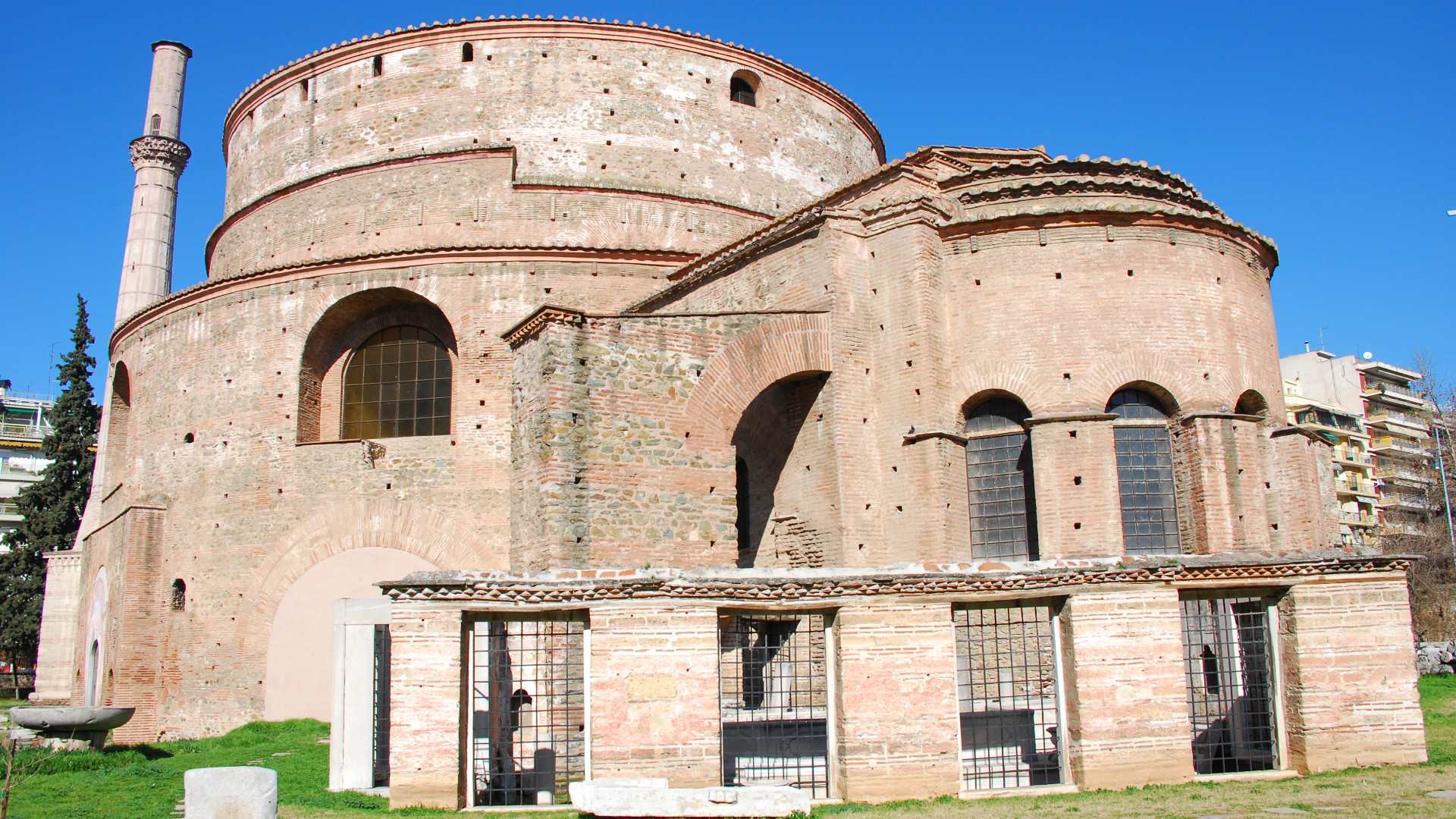
The Rotunda is one of the oldest buildings in Thessaloniki – built as a Roman temple around 300 AD, later converted to a Christian church, then to an Ottoman mosque, and now a museum and UNESCO World Heritage site. The building has survived 1,700 years and the changes of four different ruling powers. The interior is remarkable. Free entry to the exterior; check hours for the museum.
Arch of Galerius
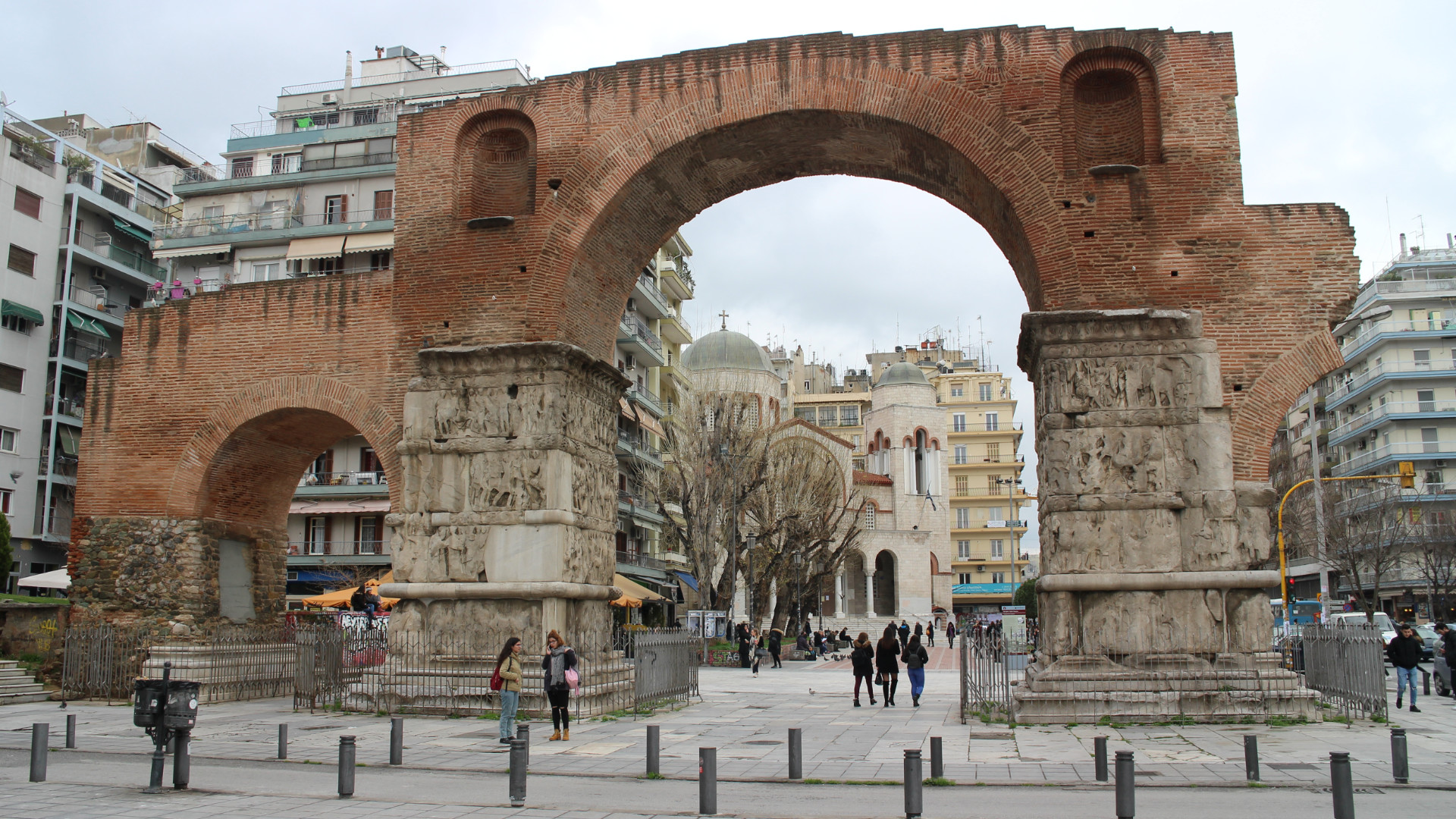
The Arch of Galerius – locally known as Kamara – is a 4th-century Roman triumphal arch built to commemorate the emperor Galerius’s victory over the Sassanid Persians. It stands a few minutes from the Rotunda and is largely intact. The carved marble reliefs on the surviving pillars are detailed and in good condition. Free to visit, open at all times.
The White Tower
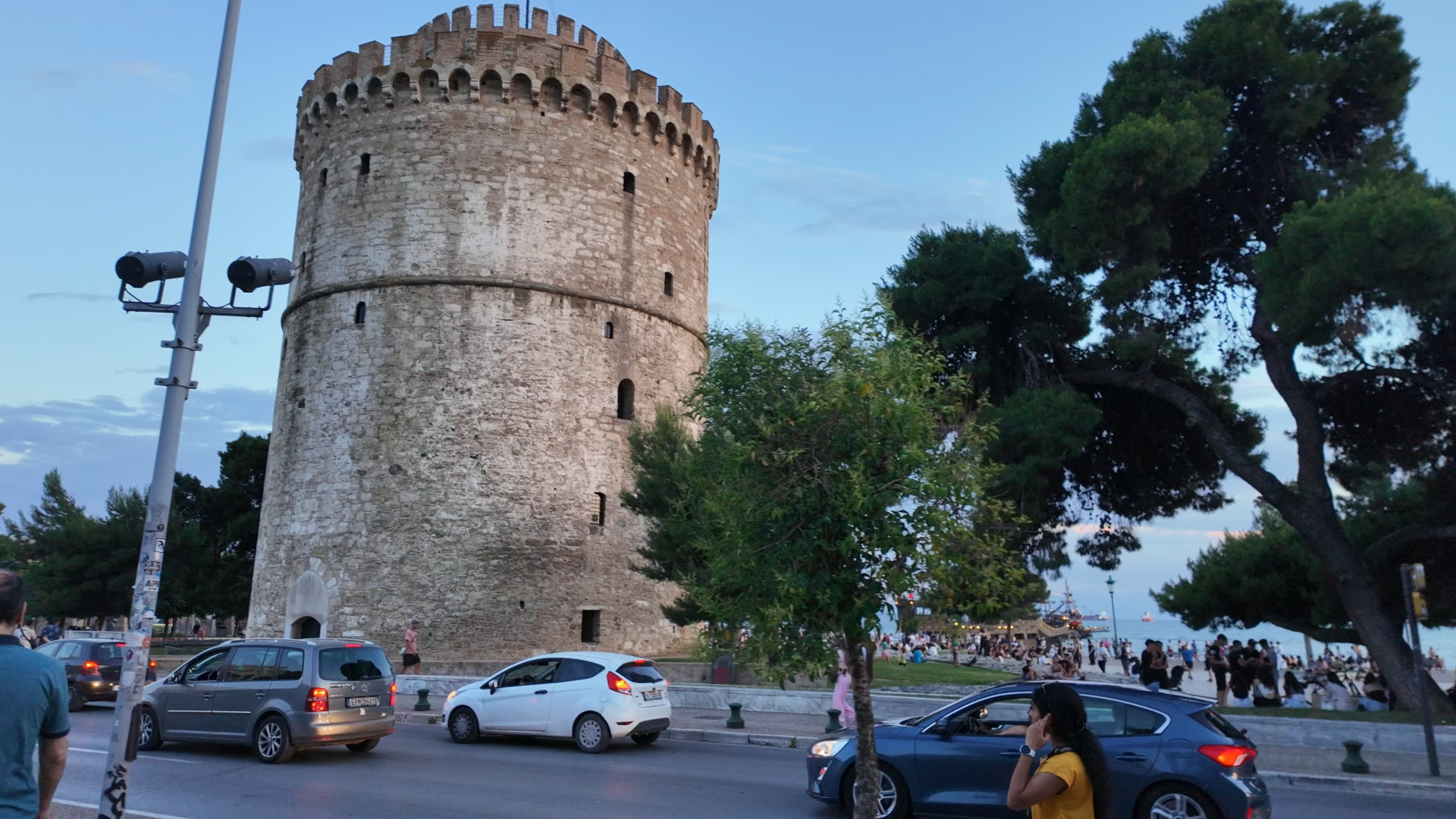
The White Tower is the symbol of Thessaloniki. Built by the Ottomans in the 15th century, it served first as a fortress and later as a prison. Locals called it the Bloody Tower for the executions carried out there. After Greece took the city in 1912, it was whitewashed and officially renamed. The tower is 34 meters high and sits right at the water’s edge on the sea promenade.
Inside is a museum covering the city’s Byzantine and Ottoman history across several floors. Entry is €13, or €12 if booked through the official website in advance. The view from the top over the Thermaic Gulf is one of the best in the city. On a clear day, Mount Olympus is visible to the south. Book tickets in advance in summer – queues can be long. Find tours and tickets for Thessaloniki attractions here.
Leoforos Nikis – The Sea Promenade
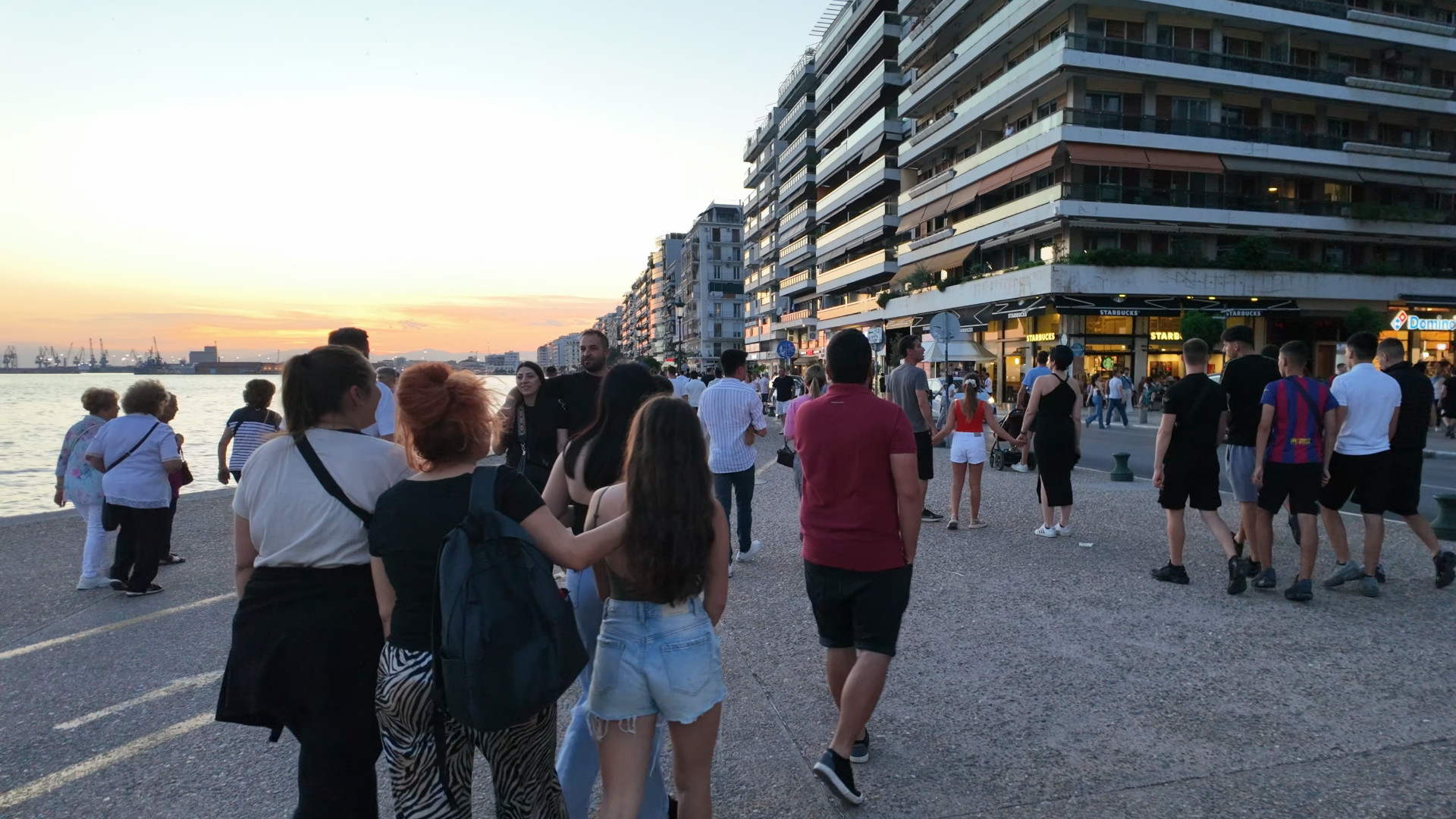
Leoforos Nikis – Victory Avenue – is the full seafront promenade of Thessaloniki. It stretches from the White Tower east toward the port and is lined with restaurants, cafes, and bars, most with tables directly facing the water. In the evenings and on weekends, it is where the city comes out. The bust of Admiral Votsis stands along the promenade – he sailed a torpedo boat into Thessaloniki harbor at night in 1912 and sank an Ottoman warship, one of the boldest naval operations in Greek history.
Pleasure cruise boats depart from the promenade near the White Tower – harbor tours start at €7 for 30 minutes, with longer and sunset options also available. Prices and schedules are posted at the boats. In summer, the boats run until late evening.
Hagia Sophia
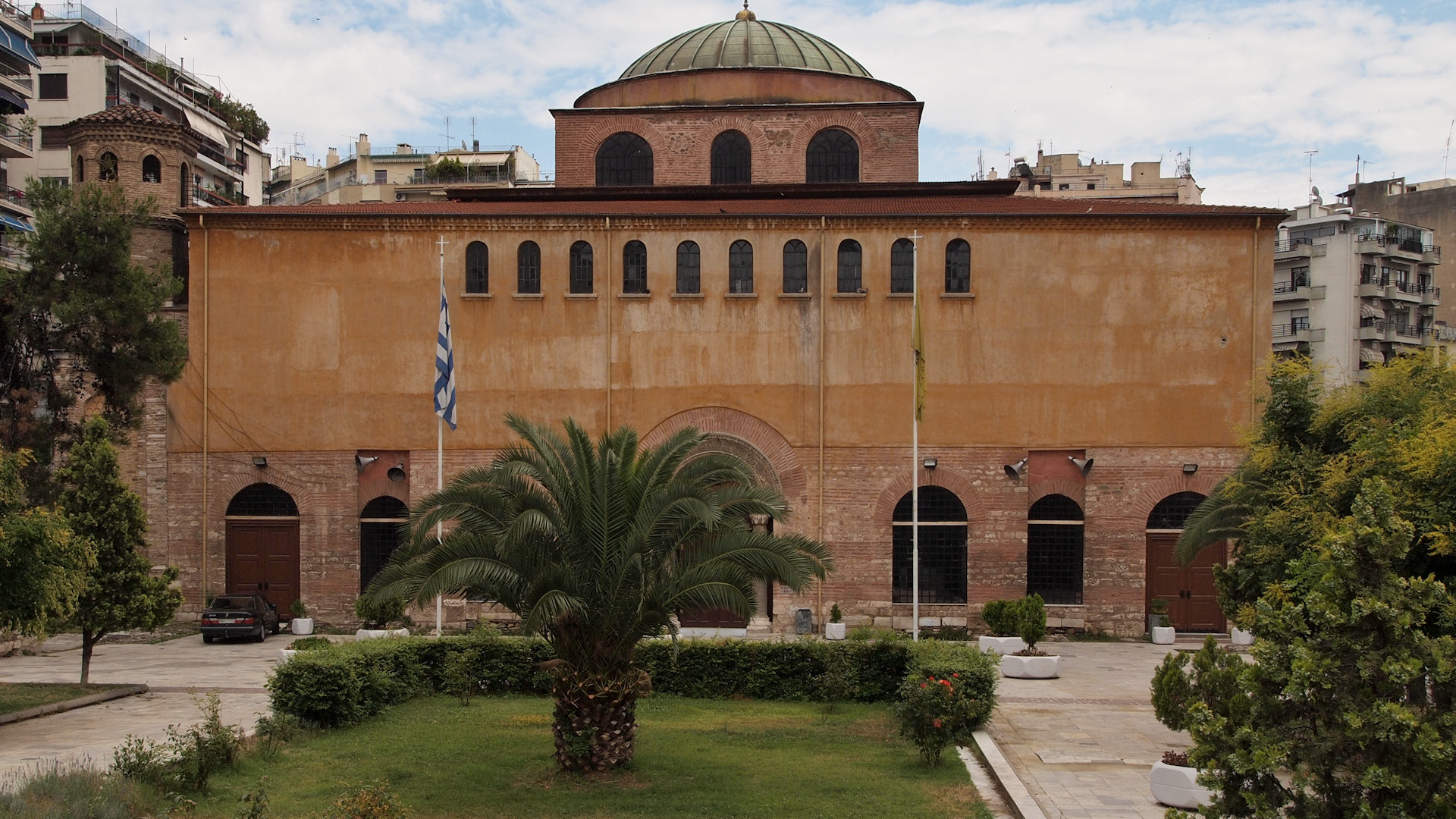
Thessaloniki’s Hagia Sophia was built in the 8th century – predating the city’s Ottoman period by more than 600 years. Unlike its Istanbul namesake, it is still in active use as a Greek Orthodox church. It is a UNESCO World Heritage site and one of the finest surviving examples of Byzantine religious architecture in the world. Free to enter. Located a short walk inland from Aristotelous Street.
Saint Demetrius Basilica
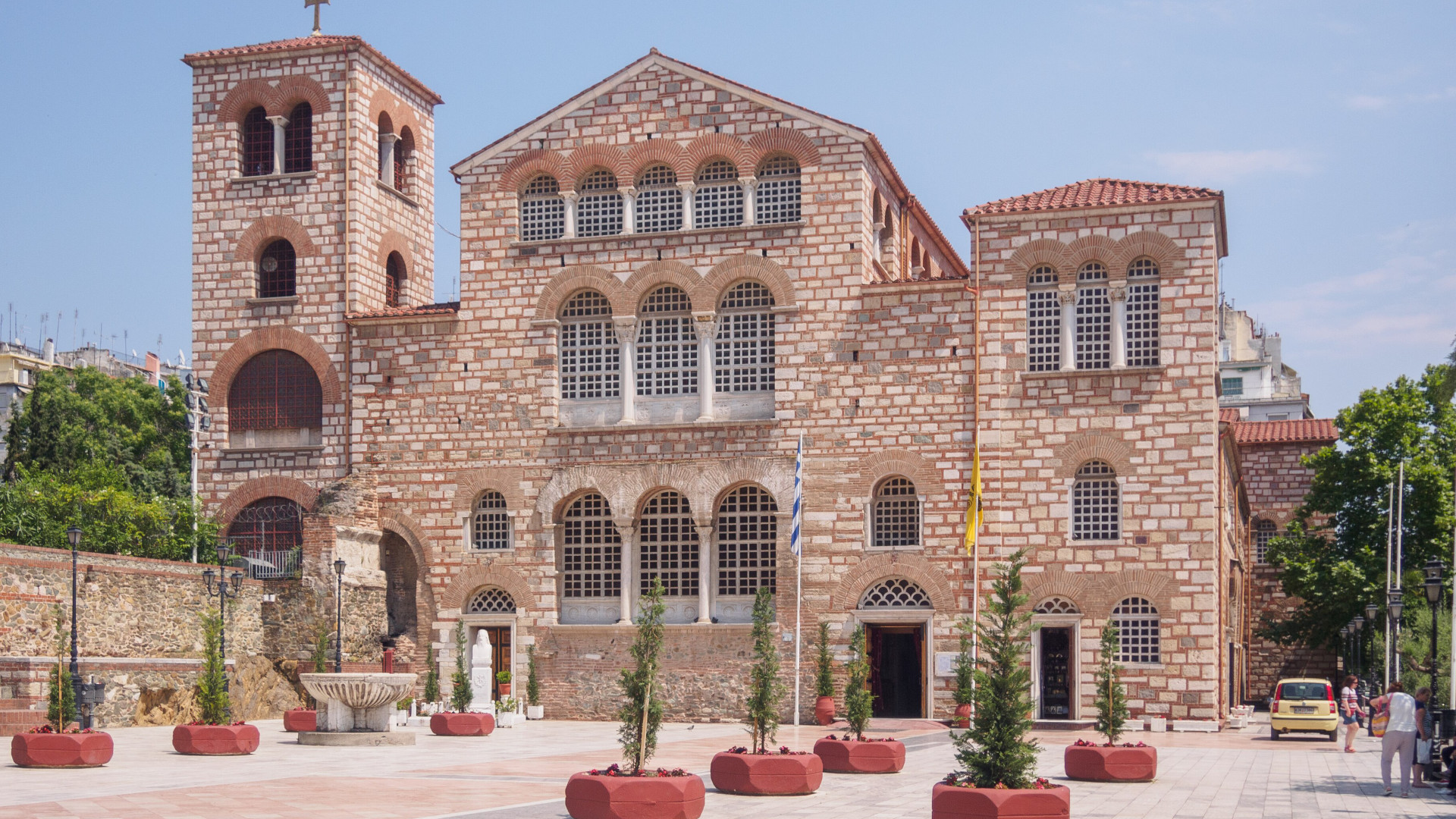
Saint Demetrius is the patron saint of Thessaloniki, martyred here during Roman rule in the early 4th century. His basilica is the largest church in Greece and a UNESCO World Heritage site. The original structure dates to the 5th century, though it was rebuilt after a fire in 1917. The crypt below the church contains the saint’s original tomb. Free to enter. Do not skip it.
Ano Poli – The Upper Town
Ano Poli is the upper town of Thessaloniki – the only part of the city that survived the Great Fire of 1917 largely intact. Byzantine walls, old stone houses, narrow cobbled streets, and the best views over the city and the gulf. It sits above the modern center and is a 20-minute walk or short taxi ride from Aristotelous Square. Go in the afternoon or early evening for the light.
What to Eat and Drink
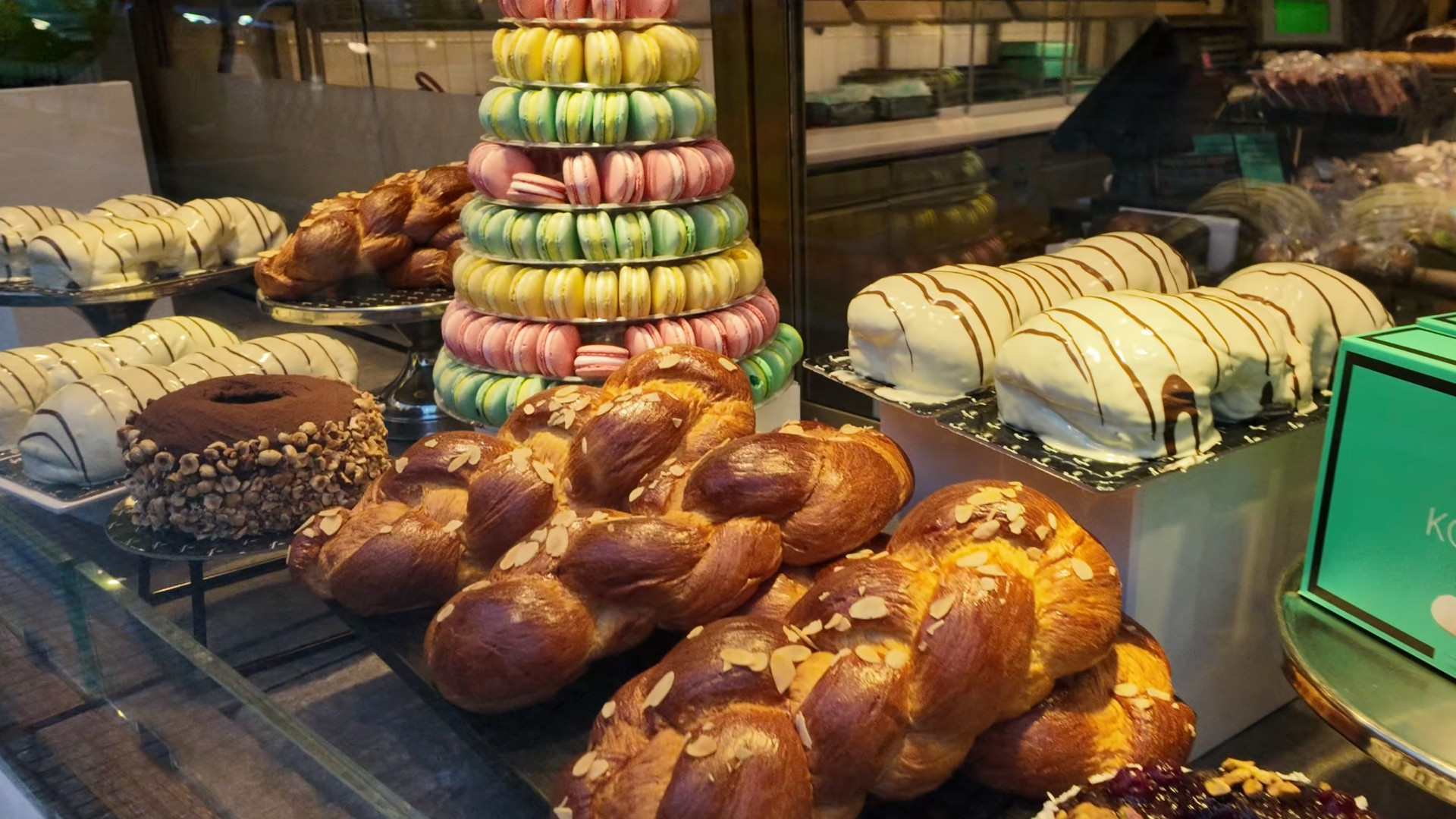
Thessaloniki has a reputation as the food capital of Greece – and most Greeks from the city will tell you, without much prompting, that the food here is better than Athens. Whether or not that is true, the local food scene is specific to this city in a way that matters.
Bougatsa
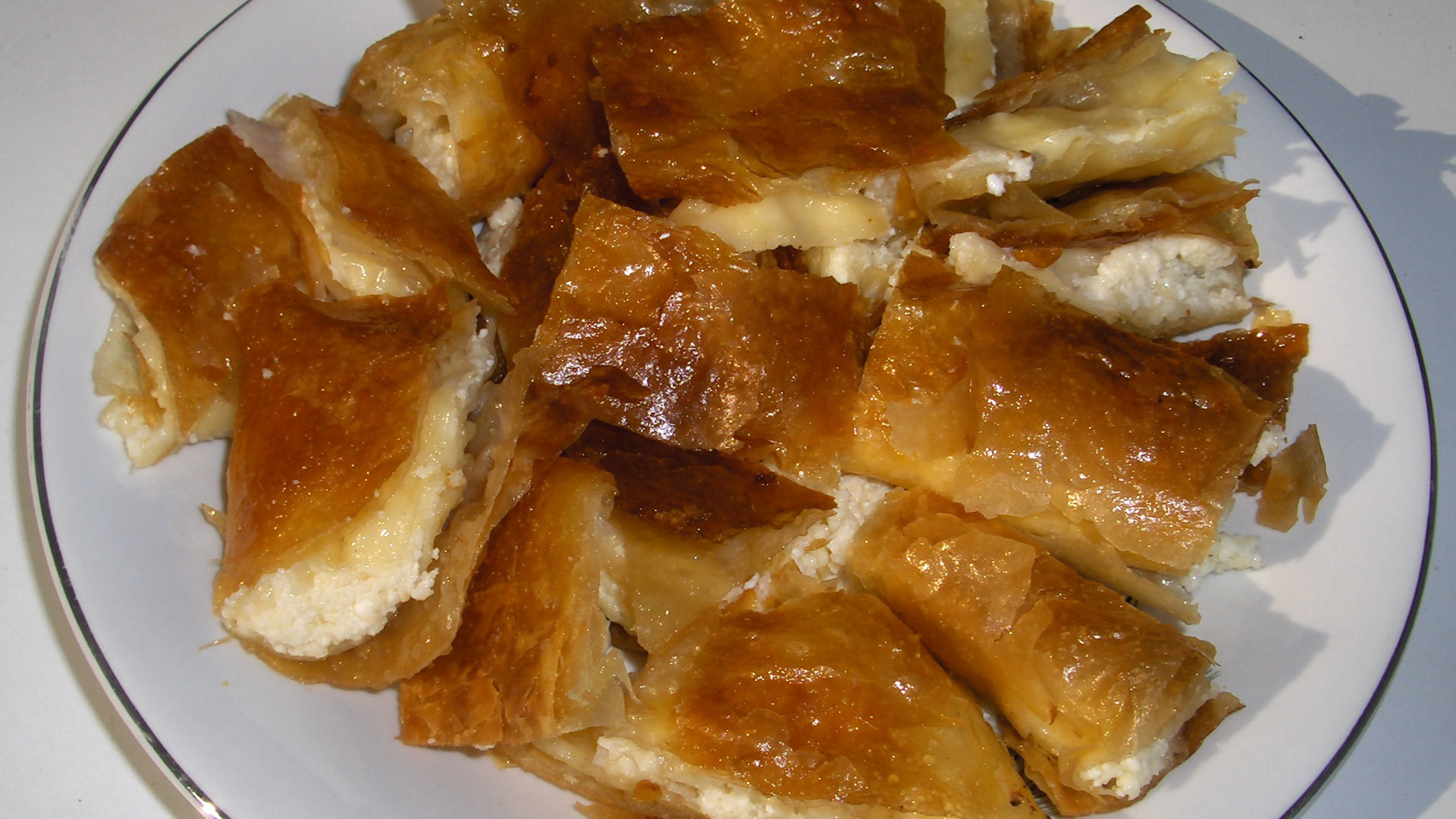
Bougatsa is the defining Thessaloniki pastry. Warm, flaky filo filled with semolina cream or cheese, dusted generously with cinnamon and powdered sugar. It is eaten at any hour of the day – breakfast, late-night snack, between meals. Buy it from a specialist bougatsa shop, not a café or bakery. The version from a dedicated shop is a completely different product. Ask locals for their recommendation – there are strong opinions on which shop is best.
Trigona Panoramatos
Trigona Panoramatos are triangle-shaped pastries filled with fresh cream. They originate from the Panorama neighborhood above the city. You will find them at dedicated pastry shops throughout the center. Light, simple, and genuinely good. Worth trying alongside the bougatsa rather than instead of it.
Gyros
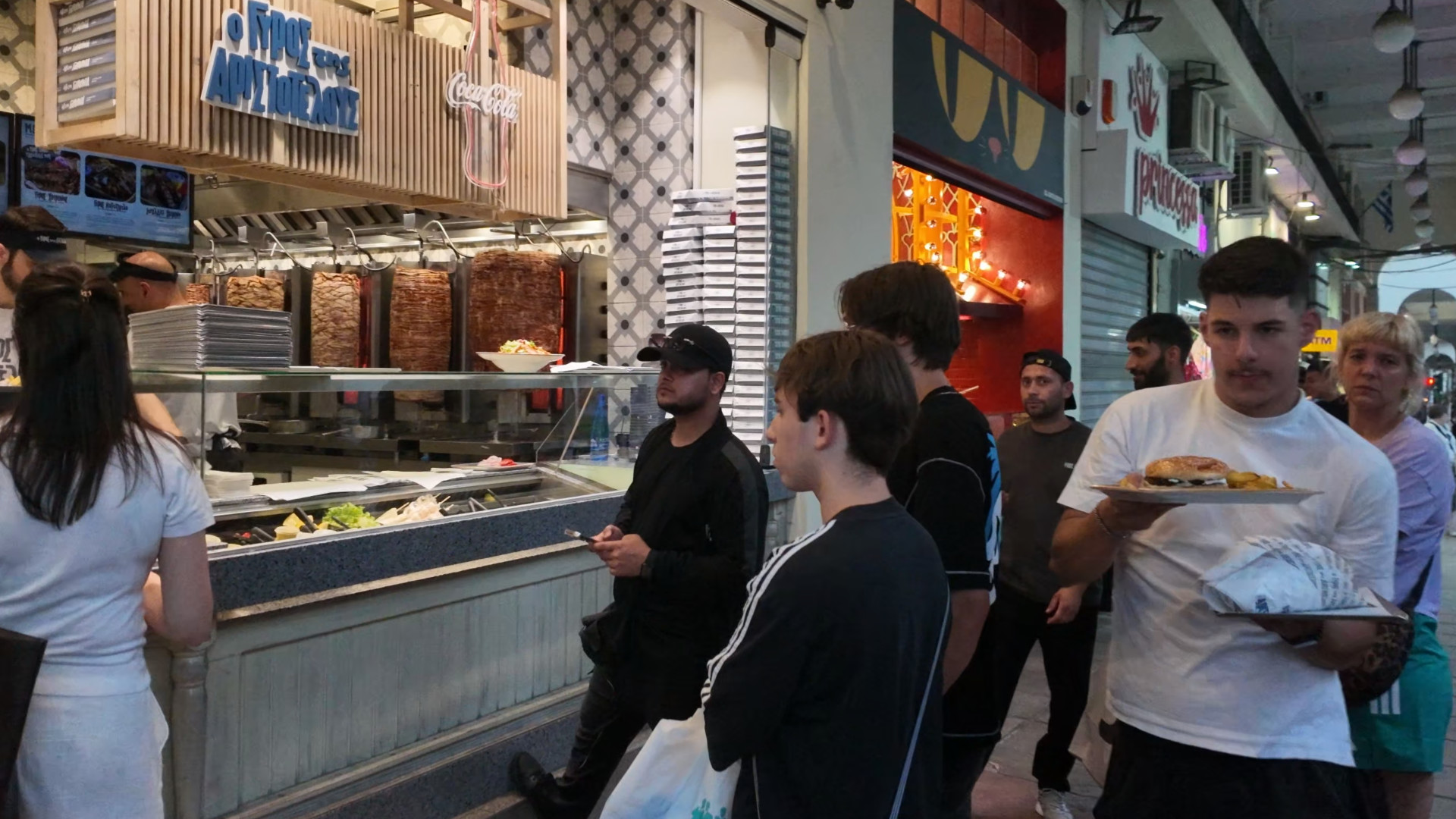
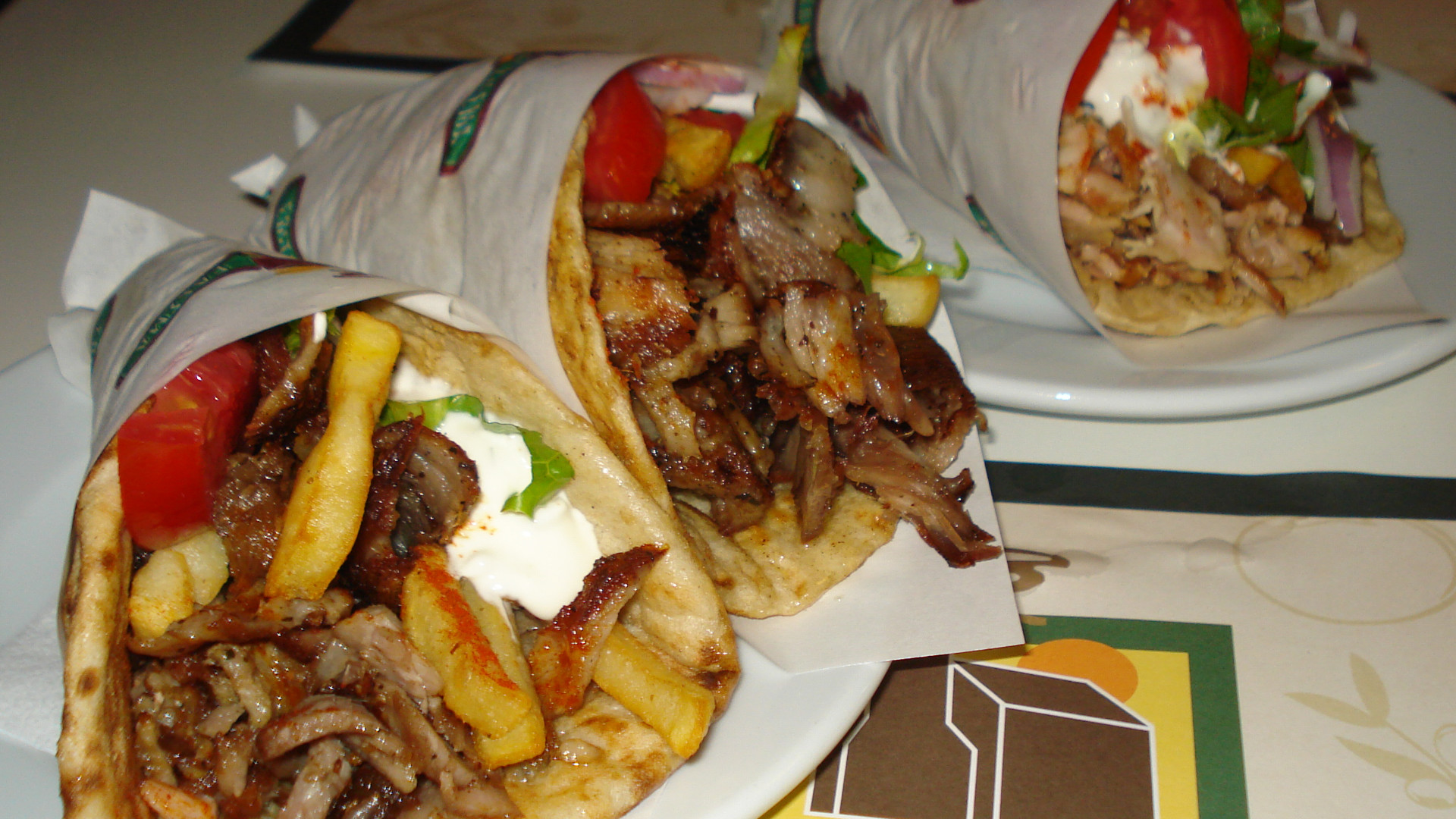
Gyros in Thessaloniki is taken seriously. A large portion costs around €7 to €9. The local style tends toward generous portions with good quality meat. There is no shortage of options in the center – look for places with visible foot traffic from locals rather than tourist-facing menus in multiple languages.
Seafood
Seafood is central to the promenade restaurants along Leoforos Nikis. Fresh catch, grilled fish, and mezze plates. Most of the better restaurants along the waterfront are heavy on seafood. Prices are higher along the promenade than inland – budget around €20 to €30 per person for a full seafood meal with drinks.
Ouzo
Ouzo is the Greek anise-flavored spirit. It is typically served cold, with ice, and almost always alongside a small plate of meze – olives, cheese, small bites. Drinking ouzo without food is not really done here. A glass costs around €3 to €5 depending on the bar.
Tsipouro
Tsipouro is the local spirit of northern Greece – made from grape pomace, similar to grappa or Italian grappa, but distinct in character. It is different from ouzo and tends to be stronger. Often served alongside food in small glasses. The tsipouro culture in Thessaloniki is genuine and worth exploring – there are dedicated tsipouro bars in the center where it is served with rotating plates of meze included in the price.
Practical Information
Getting There
Thessaloniki is served by Makedonia International Airport (SKG), located about 15 kilometers southeast of the city center. Direct flights operate from major European cities including London, Amsterdam, Vienna, and Frankfurt. Search for flights to Thessaloniki on Booking.com or compare options on Kiwi.com. If you are travelling from outside the EU, pick up a Saily eSIM before arrival so you have data from the moment you land.
From the airport to the city center, a taxi takes around 20 to 30 minutes and costs approximately €20 to €25. Bus line 78 also connects the airport to the city center for around €2. By car from Sofia, the drive is approximately 3.5 hours via the A1 motorway. From Athens, allow around 5 hours by car or take the intercity train, which runs several times daily and takes around 5 to 6 hours.
Cost of Living
- Coffee: €2 to €5
- Beer in a bar: €3 to €5
- Large gyros: €7 to €9
- Sit-down restaurant meal: €10 to €20 per person
- Seafood dinner for two with drinks: €50 to €70
- Budget hotel per night: €40 to €60
- Mid-range hotel per night: €80 to €120
Search for hotels in Thessaloniki on Booking.com. Most of the well-located hotels are within walking distance of everything covered in this video.
Best Time to Visit
May, September, and October are the strongest months. The weather is warm, the promenade is full, and the crowds are manageable compared to the height of summer. Pentecost week – falling 50 days after Orthodox Easter, usually in late May or early June – is one of the most energetic times to visit. The whole city comes out and the waterfront is at its most lively.
Summer (June to August) works but July and August are very hot and the city is busy with domestic Greek tourism. Winter is quiet and mild by northern European standards – around 8 to 12°C – with most restaurants and bars still fully operational. Spring and autumn are the sweet spot for first-time visitors.
What’s Near Thessaloniki
Halkidiki
Halkidiki is under one hour by car from Thessaloniki. Three peninsulas – Kassandra, Sithonia, and Athos – each with distinct character. Crystal water, pine forests that run directly to the beach, and a range of accommodation from budget to luxury. The Miraggio Thermal Spa Resort in Chalkidiki is one of the region’s standout properties if you are looking for a high-end base. Halkidiki works as a day trip or an extension of a Thessaloniki stay.
Paralia Katerini
Paralia Katerini is one hour south of Thessaloniki by car. It is a well-established Greek beach resort with a long seafront promenade, good restaurants, and a relaxed local atmosphere. A solid option if you want a beach day without the drive to Halkidiki. See our full guide to Paralia Katerini for what to expect.
Mount Olympus
Mount Olympus is 90 minutes by car from Thessaloniki. The highest mountain in Greece – 2,917 meters – and the mythological home of the Greek gods. The town of Litochoro at its base is a good starting point for hikes of various difficulty levels. A day trip is realistic if you start early. The mountain is accessible from late spring through early autumn.
Vergina
Vergina is one hour from Thessaloniki and holds the royal tombs of the ancient Macedonian kingdom, including the tomb of Philip II – father of Alexander the Great. The gold burial artifacts on display in the museum are extraordinary. One of the most important archaeological sites in Greece. Well worth a half-day visit.
Meteora
Meteora is 2 hours 45 minutes by car from Thessaloniki. Monasteries built on top of sheer sandstone rock columns rising from the Thessaly plain – one of the most remarkable sights in Greece and a UNESCO World Heritage site. Six monasteries are still active and open to visitors. Combine with Kalambaka town at the base for an overnight trip. A long day trip is also possible but tiring.
Serres
Serres is around 90 minutes northeast of Thessaloniki. A genuine northern Greek city with almost no tourist traffic – a strong food culture, a central market area, and a relaxed pace. It is covered in our Serres walking tour. Worth a day trip if you want to see what smaller-city northern Greece actually looks like. Find day trip options from Thessaloniki here.
Thasos Island
Thasos is reachable from Kavala – about 2 hours from Thessaloniki by car, then a 35-minute ferry crossing. It is a pine-forested island with clear water, archaeological sites, and quiet beaches. A two-day trip makes more sense than a rushed day visit. We have a walking tour of Giola on Thasos on the channel if you want a preview of what the island looks like.