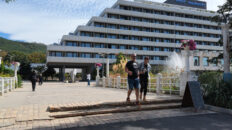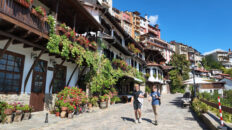



About Burgas
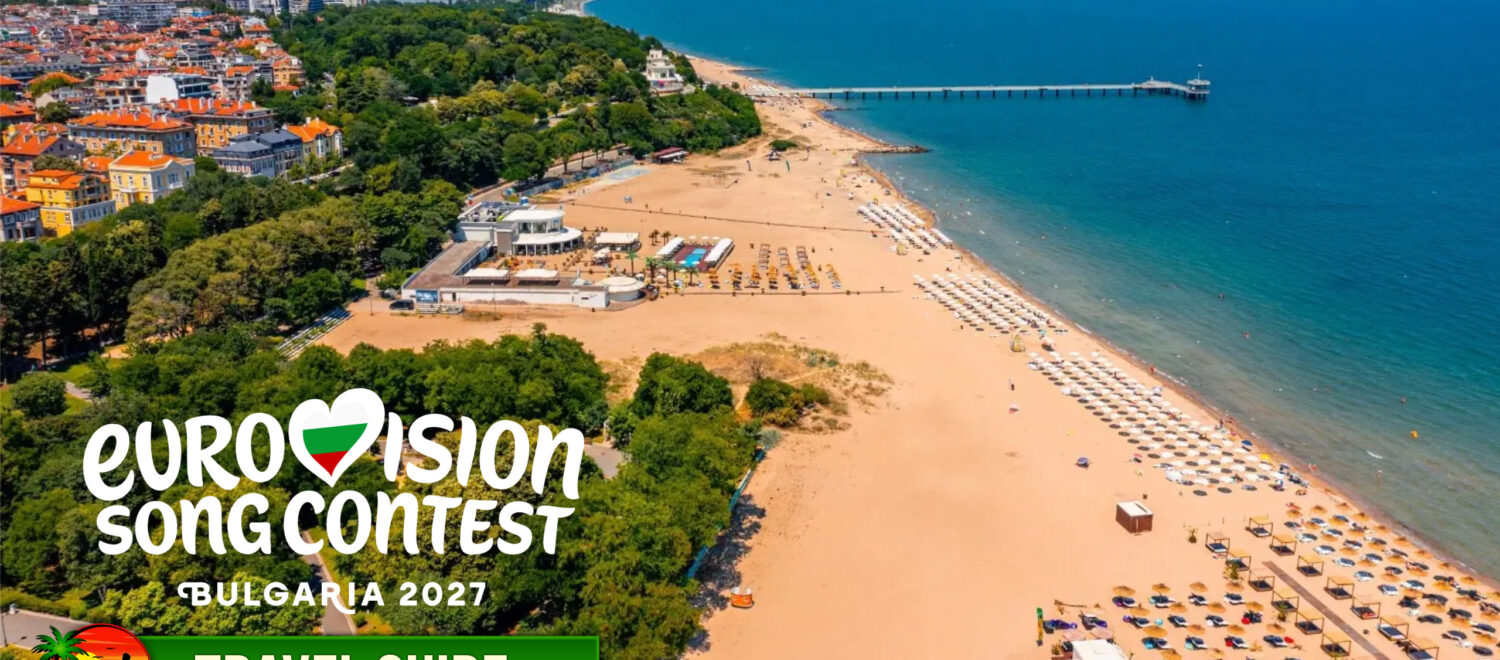
Burgas is the city that just beat Sofia to Eurovision. Arena Burgas hosts the contest in May 2027, with the grand final set for the 15th, and a city most travellers used to drive straight through on the way to the resorts is suddenly the one everybody is looking up.
It sits on Bulgaria’s Black Sea coast, 380 km east of Sofia, with around 210,000 people. That makes it the fourth largest city in the country and the largest on the coast. It is a working port first, with one of Bulgaria’s busiest harbours sitting just outside the historic centre, which is exactly why it never became a resort town.
What that gives you is a real city with a beach attached. The centre is compact and entirely walkable, a five kilometre park runs the length of the seafront, and four coastal towns sit within 40 minutes in either direction. Burgas works best as a base, and it is the most practical one on this stretch of the Black Sea coast of Bulgaria.
History and Interesting Facts
The name almost certainly comes from the old word for tower, after a fortification that once stood on this bay. For most of its history that is all Burgas was: a small fishing settlement in the shadow of much older neighbours like Sozopol and Nessebar, both of which were trading ports when Burgas was nothing.
Two things changed that, both after Bulgaria’s Liberation in 1878. The railway from Plovdiv arrived in 1890, and the port opened in 1903. Within a generation a fishing village had become the country’s main outlet to the sea, and the city you walk through today is essentially the city those two decades built.
The Sea Garden followed in 1910, designed by the architect Georgi Duhtev on drained swampland at the edge of town. The saltworks north of the city have been producing since 1906 and still are, which makes them one of the oldest continuously working industrial sites in Bulgaria.
The fact most visitors never hear: Burgas sits on the Via Pontica, one of Europe’s major bird migration corridors. Hundreds of thousands of storks, pelicans and raptors funnel over these lakes twice a year, which is why serious birdwatchers have been coming here for decades while everyone else drove past to Sunny Beach.
Main Attractions
Aleksandrovska Street

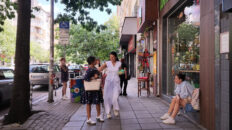
The main pedestrian strip through the centre and the right place to start, because it gives you the fastest read on the city. Cafes and shops the whole way down, the Alyosha Monument and the District Court both sitting directly on it, and the Compass, a sharply modern building on the main square that locals use as the default meeting point. Walk it once in the morning and once after dark, because the street changes completely.
Aleko Bogoridi Boulevard

Aleksandrovska runs straight into Bogoridi, the city’s other pedestrian boulevard, so the two cover back to back with no gap. This is the quieter and prettier of the pair, lined with older facades and terrace cafes, and it ends by delivering you into the Sea Garden. Do it in that direction, not the reverse.
Burgas Archaeological Museum

Sitting on Bogoridi, this is where the Thracian gold pulled out of the surrounding coast ended up, alongside finds from the Greek colonies that ringed this bay. It is a small museum and you will not need more than an hour. Go before the Sea Garden rather than after, when you will have no appetite for a dark room.
The Gramophone

A sculpture on Bogoridi that has quietly become the most photographed object in Burgas. It is small, it is easy to walk past, and almost nobody does. Worth the two minutes.
The Sea Garden

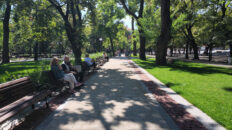
Five kilometres of park running the full length of the seafront, built in 1910 on ground that used to be swamp. Give it at least an hour. Shaded avenues, an open air theatre, viewpoints out over the bay, and most summers a rotating sand sculpture exhibit set up inside the park.
The part nobody tells you: the Sea Garden is also the shaded route down to the beach. On a 35 degree afternoon that is not a minor detail.
Central Beach and the Burgas Pier

Fine golden sand directly below the Sea Garden, backed by beach bars and restaurants, with the pier running out from the end of it. The pier went up in 1936 and it is still where the city goes in the evening, for seafood and for the view back across the bay. Fishermen line the rails most mornings.

Walk out to the far end. It is the widest view of Burgas you will get from ground level, and it costs nothing.
Saint Anastasia Island

The only inhabited island on Bulgaria’s Black Sea coast, and the single best half day you can spend here. Boats leave from the port a few times a day and take about 30 minutes each way. On the island there is a monastery going back to the 1400s, a small museum, a lighthouse, and the Gates of the Sun, a rock formation with a local legend about a petrified pirate ship attached to it.
Entry runs around 9 EUR. Check the return boat times before you sail, not after.
The Burgas Saltworks and Mud Pools

Just north of the city the evaporation pools turn a real shade of pink and red. The colour comes from brine shrimp living in water too salty for anything else, not from algae, and the site has been producing salt since 1906. The free viewing area is enough if all you want is the photograph.
The same site has open air pools of therapeutic mud and mineral brine. Visitors coat themselves in the black mud, let it dry, then float in water salty enough to hold you up without effort. It is a genuine local tradition for skin and joint complaints, entry runs around 4 EUR, and you should bring a towel you do not care about.
Arena Burgas

The multifunctional hall north of the centre that will host Eurovision in May 2027. Outside contest week it runs concerts, volleyball and basketball, and there is nothing to see unless something is on. Check the schedule before making the trip out.
The Burgas Lakes
Not in our video, but they belong in any honest list of what Burgas has. Three lakes ring the city, including Vaya, the largest natural lake in Bulgaria, and together they form one of the most important bird stopovers in Europe. Come in late August or September for the stork migration, when the sky over the city genuinely fills up.
What to Eat and Drink

Start with tsatsa, small Black Sea sprat fried whole and eaten with your fingers, usually with a beer and a squeeze of lemon. It is the dish of this coast rather than the country, and Burgas is the right place to have it. Order it at any of the places along the pier or Central Beach.

Then work through the rest of the Black Sea catch. Midi are the local mussels, usually done in white wine or with cheese, and rapani are the large sea snails, chopped and pan fried, which is the one dish here that surprises most visitors. The seafront restaurants below the Sea Garden do all three.

Kavarma is the dish to order if you want something inland and heavy: slow cooked pork or chicken with peppers and onion, served bubbling in its own clay pot. Every traditional mehana in the centre has it, and it is a cold evening meal rather than a beach one.

Shopska salad arrives before everything else: tomato, cucumber and a heap of grated white cheese. Lyutenitsa, a roasted pepper and tomato spread, turns up at breakfast next to banitsa, the flaky cheese pastry Bulgarians eat at any hour of the day. Any bakery on Aleksandrovska will sell you banitsa before 10am.

To drink, rakia is the national answer and it comes before the meal, not after. The Black Sea region also produces decent white wine, and asking for the local one by the glass usually gets you something better than the list suggests.
Practical Information
Getting There
Burgas Airport sits about 10 km north of the centre and runs heavy seasonal traffic from across Europe between May and September, which is the easiest way in by a distance. Outside those months the schedule thins out sharply. Compare flights into Burgas early if you are travelling for Eurovision week, because that schedule will not behave like a normal May.
If nothing direct works, routing through Sofia and continuing overland is the standard fallback, and mixed-airline routings often beat the direct fare outside peak season. From Sofia it is 380 km, about 4 hours by car on the A1 motorway, or 6 hours by train or coach.
The airport to city run is short and cheap, but taxi queues at arrivals get long when three charter flights land together. Booking an airport transfer in advance is worth it in July and August. Inside the city you will not need transport at all: the centre, the Sea Garden, the beach and the pier all connect on foot.
Bulgaria is in the EU but roaming rules still catch out non-EU visitors. A local eSIM sorted before you land saves the usual airport scramble.
Cost of Living
- Coffee: around 2-3 EUR
- Casual meal: around 10-20 EUR
- Dinner for two with wine: 30 to 50 EUR
- Beer: around 2-3 EUR
- Budget accommodation: 60 to 80 EUR per night
- Mid-range hotel: 70 to 90 EUR per night
Bulgaria completed its euro changeover in 2026, so there is only one currency to think about. Those figures hold for a normal summer and not for May 2027, when Burgas rooms have already been listed above 4,000 EUR a night and much of the city sold out within hours of the host announcement. If you are planning around Eurovision, check what is still available in Burgas before you assume anything, then read the next section.
Best Time to Visit
June and September are the two good months. The sea is warm enough, the city is busy without being overrun, and prices sit well below peak. July and August are hot and full, which is fine if the beach is the point and miserable if it is not.
The summer calendar carries the sand sculpture exhibit in the Sea Garden and a steady run of concerts and festivals on the pier. May 2027 will be its own category entirely, and anyone travelling then should treat every normal assumption about this city as suspended.
If you want one recommendation: early September. The stork migration is overhead, the water is at its warmest, and the crowds have gone home.
What’s Near Burgas
Four coastal towns sit within 40 minutes of Burgas, split north and south, plus one castle worth the detour. All of them run from Bus Station South with regular departures and a one way ticket around 4 EUR, so a rental car is convenience rather than necessity. Day trips and entry tickets for most of them can be booked ahead here.
Pomorie

The closest of the four at 22 km, about 27 minutes by road and sometimes closer to 20. It has its own old town, a long beach and a promenade that only really starts once the heat breaks, which you can see in our night walk through Pomorie. Easy half day, and the shortest commute of any base on this list.
Nessebar

A UNESCO old town of cobbled lanes and medieval churches on a peninsula 36 km north, roughly 30 to 40 minutes and longer in August traffic. The windmill at the causeway entrance is the shot everyone leaves with, and our walk through Nessebar old town covers the rest of it. Go before 10am if you want the streets to yourself.

Sunny Beach
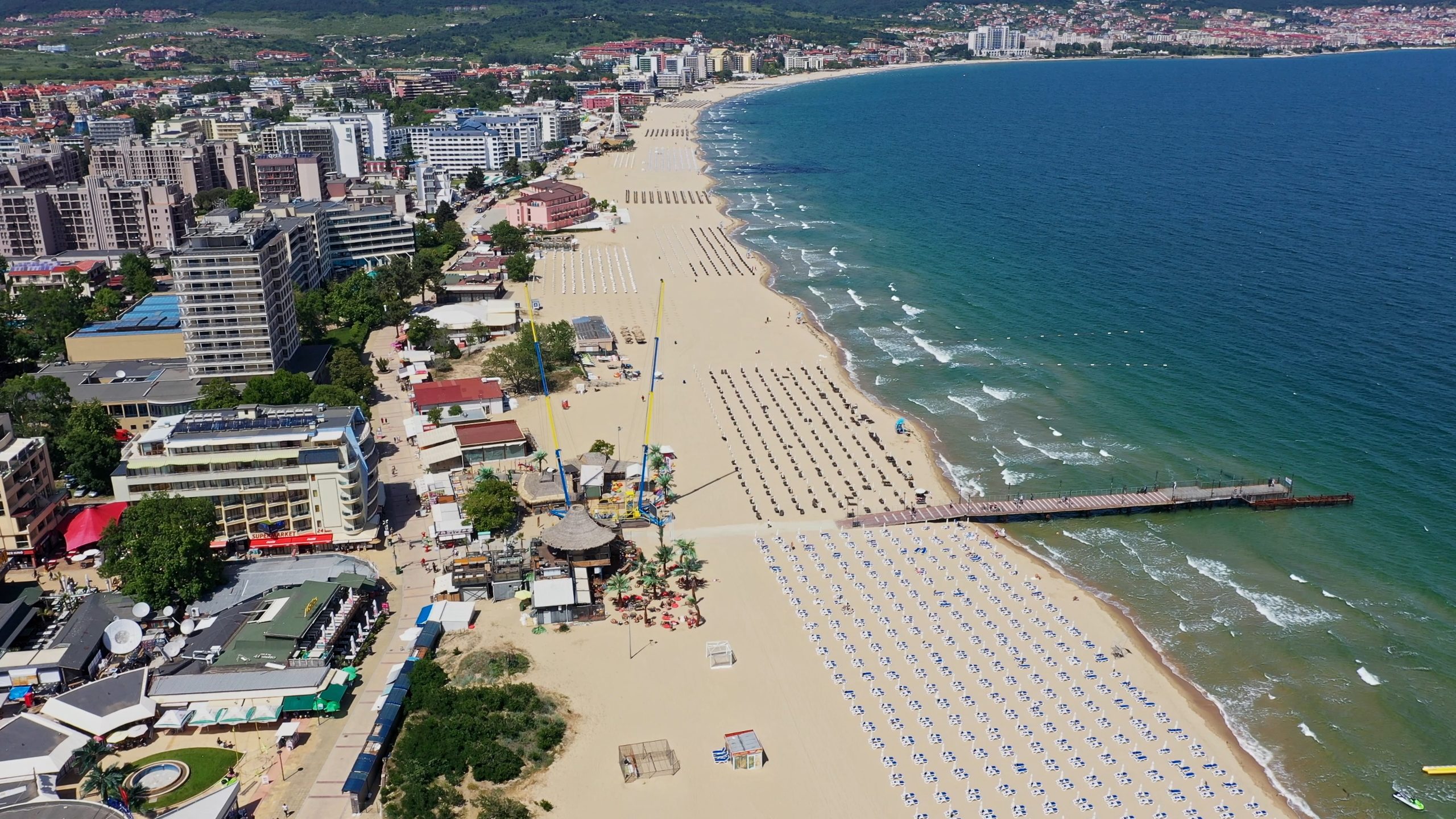
Bulgaria’s biggest resort strip, 35.5 km out and about 36 minutes, with amusement parks and nightlife running the length of the sand. It is not subtle and does not try to be, which our Sunny Beach resort walk makes fairly clear. It also has more rooms than anywhere else on this coast, which matters if you are booking late.
Sozopol

The one worth building a full day around. A Greek colony founded over 2,600 years ago, 35 km south and around 33 minutes, with a southern fortress wall that looks straight out over open water and Saint Ivan Island sitting in view. Our walk through ancient Sozopol follows the old town end to end.
Ravadinovo Castle

Two kilometres past Sozopol: towers, gardens and a lake full of swans, built over the last twenty years rather than the last five hundred. Know that going in and it is an enjoyable hour, as our tour of Ravadinovo Castle shows.

Entry runs around 30 EUR and it pairs naturally with a Sozopol day.