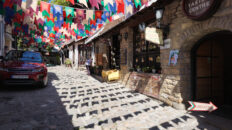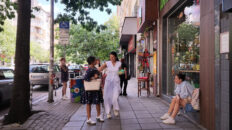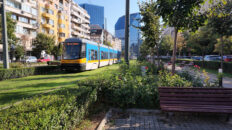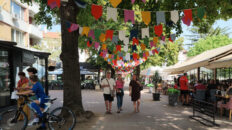

Experience Sofia’s festive glow as we wander through its most beloved Christmas markets, twinkling boulevards, and cultural landmarks.
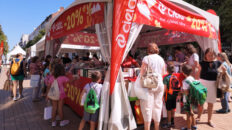
This immersive 4K walking tour captures the city’s holiday spirit – from the cozy wooden stalls near the Bulgarian National Bank to the lively scenes around the National Palace of Culture – letting you soak in seasonal lights, music, and aromas as if you were right there.
📍 Location: Sofia, Bulgaria
📹 Filmed on: December 2024
🎧 This video features binaural audio – for the best experience, use headphones.
📜 Don’t forget to turn on subtitles for travel tips and additional information.
⏱️ In this video you will see:
00:00 – Festive Intro & City Lights
02:00 – Start: BNB Christmas Market (by Bulgarian National Bank)
09:33 – Strolling Sofia’s Illuminated City-Center Streets
18:45 – Sparkling Vitosha Boulevard Walk
30:42 – NDK Christmas Market Highlights
36:45 – National Palace of Culture Square Panorama
39:22 – Return to NDK Market & Mulled Wine
51:58 – Finale at Ivan Vazov National Theatre
About Sofia
Sofia is one of the oldest capital cities in Europe – and at Christmas, it earns a completely different reputation. The city transforms in December into something genuinely festive, with two major markets, kilometre-long boulevards strung with lights, and a cold air that smells of mulled wine and roasted chestnuts. It is not Prague or Vienna, and it does not try to be. That is exactly what makes it worth visiting.
The Bulgarian capital sits at the foot of Vitosha Mountain, around 550 metres above sea level. That elevation means proper winter temperatures – cold enough for the markets to feel right, but mild enough to walk comfortably. The city centre is compact and almost entirely flat, which makes the Christmas walk circuit easy to do on foot in an afternoon.
With a population of around 1.3 million people, Sofia is the largest city in Bulgaria by a significant margin. It is a city that rewards slow exploration – there are more Roman ruins, medieval churches, and Soviet-era monuments crammed into the centre here than most visitors expect. Explore more of Bulgaria and you will understand why Sofia makes a strong base.
History and Interesting Facts
Sofia is older than most European capitals by centuries. The city was founded as Serdica by the Romans around 29 BC, and it quickly became one of the most important cities on the Balkan peninsula. The Emperor Constantine the Great loved it so much he reportedly considered making it the capital of the Roman Empire, saying “Serdica is my Rome.”
You can still walk on the original Roman streets. The Serdica Archaeological Complex sits directly underneath the city centre – preserved Roman mosaics and ruins are visible below street level near the Presidency building. It is one of the most remarkable things about Sofia that almost nobody outside the country knows exists.
The city has had many rulers across its long history. Byzantines, Bulgarians, Crusaders, and then the Ottomans, who held it for almost 500 years from 1382 to 1878. Bulgarian liberation came in January 1878, and Sofia became the capital of the newly independent Bulgaria just two years later. The mix of architectural styles this history left behind – Roman, Byzantine, Ottoman, and 19th-century Bulgarian – is visible throughout the city centre and makes every walk interesting.
One fact that surprises almost every visitor: Sofia has a functioning Roman rotunda right in the city centre. The St George Rotunda dates to the 4th century AD and is the oldest building still in use in Bulgaria. It is surrounded on three sides by a Soviet-era hotel. The contrast is genuinely strange and absolutely worth a look.
The Christmas Markets Walk
The walk in this video covers the two main Christmas market sites and the illuminated boulevards that connect them. Here is what you will see, in order.
BNB Christmas Market
The market in front of the Bulgarian National Bank is the older and more traditional of the two. Wooden stalls, handmade crafts, Bulgarian pottery, local honey and jam, and the first serious mulled wine of the evening. The setting is excellent – the BNB building itself is an imposing piece of 19th-century architecture, and the square fills up early in December evenings. This is where locals come, not just tourists.
Prices at this market are genuinely reasonable by European standards. A cup of mulled wine runs around 3-5 BGN (roughly €1.50-2.50). Handmade ornaments and gifts start from a few leva. If you want local products to take home – rose oil, local honey, traditional textiles – this market is a better option than airport shops.
Vitosha Boulevard
The main pedestrian artery of Sofia connects the two market zones and looks spectacular in December. The entire boulevard is strung with warm white lights for several hundred metres, and the street is busy all evening with people walking between the markets. The cafes and restaurants along the boulevard are open late, prices are low, and the atmosphere is exactly what a European winter evening should feel like.
Vitosha Boulevard has been Sofia’s main promenade for over a century. Named after the mountain that frames its southern end, it runs from the Largo complex near the Presidency all the way down to the NDK. At Christmas, walking it end to end is one of the best free things to do in the city. For more detail on this street at any time of year, see our Vitosha Boulevard walking guide.
NDK Christmas Market and National Palace of Culture
The NDK market is the bigger of the two – more stalls, more food vendors, a central stage with live music on weekends, and a large open square that fills up properly in the evenings. The National Palace of Culture itself is an enormous piece of communist-era architecture, the largest multifunctional events centre in South-Eastern Europe. At Christmas, the square in front of it is transformed with lights, a large Christmas tree, and a skating rink.
The food options here are excellent. You will find stalls selling grilled meats, traditional Bulgarian soups, hot chestnuts, and every variation of fried dough imaginable. This is also where you will find the best selection of hot drinks – mulled wine, hot chocolate, and warm Bulgarian bilberry juice, which is worth trying if you have never had it. A full meal from the market stalls costs around 10-15 BGN per person.
The square panorama at timestamp 36:45 in the video shows the full scale of the light installations. It is genuinely impressive, especially on a cold clear night. This is the best spot for photos of the market from above. Our second Sofia Christmas market walk covers the NDK market in additional depth if you want more detail.
Ivan Vazov National Theatre
The finale of the walk ends at the Ivan Vazov National Theatre, the most beautiful building in Sofia’s centre. Built in 1907, it is a neo-baroque structure with a classical colonnade and a park in front of it. At Christmas it is lit at night and the surrounding area is quiet enough to appreciate it properly, away from the market crowds. The theatre is named after Bulgaria’s most celebrated writer and is still the country’s leading repertory theatre. Tickets for performances are extremely affordable by Western European standards – worth considering if you are in Sofia for a few days.
What to Eat and Drink
Banitsa is the thing to eat in Sofia at any time of year, but it hits differently in winter. It is a flaky pastry filled with white cheese (sirene) and egg, pulled hot from the oven. Every bakery in the city sells it from the early morning. At Christmas market stalls you will find it alongside other variants – with spinach, with pumpkin. Get it hot. It costs around 1.50-2 BGN.
Mekitsi are the other Bulgarian fried dough staple – softer and fluffier than banitsa, typically served with powdered sugar or jam. Market stalls are the best place to get them in the evening. Around 1-2 BGN each.
Shopska salad is Bulgaria’s national dish and it appears on every restaurant table regardless of season. Tomatoes, cucumbers, peppers, onion, and a generous grating of sirene cheese on top. Simple, fresh, and better than it has any right to be. Order it as a starter anywhere in the city centre.
Mulled wine (glintvain) is everywhere at both markets. Bulgarian wine is genuinely good – the country has been producing wine for thousands of years – and the mulled version at the market stalls is warm, spiced, and affordable. Budget around 3-5 BGN per cup.
Bilberry hot juice is the local non-alcoholic option and worth trying once. Made from Bulgarian mountain bilberries, it is tart, warm, and completely unlike anything you will find at a Western European Christmas market. Look for it at the NDK market stalls.
Kebapche are Bulgarian grilled meat cylinders, similar to a sausage without the casing. Sold at market stalls and in restaurants across the city. One of those things that is easy to underestimate until you eat a good one. Order with a side of lukanka (cured sausage) if you are at a sit-down restaurant.
Practical Information
Getting There
Sofia Airport is around 10 kilometres from the city centre. There is a direct metro connection (Line 1) from the airport to the city centre – the ride takes around 20 minutes and costs 1.60 BGN. Taxis from the airport are affordable but use only metered licensed cabs – the official ones are yellow. Search for flights to Sofia for current routes and prices. You can also reach Sofia overland – the city is well connected by bus from Thessaloniki (3 hours), Plovdiv (2 hours), and Belgrade (4-5 hours). Kiwi.com covers buses and trains alongside flights, useful for multi-leg Balkan trips.
Within Sofia the metro is clean, cheap, and covers most tourist areas. A single ticket is 1.60 BGN. The city centre itself is compact enough to walk – the BNB market to the NDK market is around 30 minutes on foot along Vitosha Boulevard, which is exactly the route in the video.
Cost of Living
- Coffee (espresso or flat white): 2-3.50 BGN (€1-1.80)
- Banitsa or mekitsa (street snack): 1.50-2 BGN (€0.75-1)
- Casual restaurant meal per person: 15-25 BGN (€7.50-12.50)
- Dinner for two with drinks: 50-80 BGN (€25-40)
- Beer at a bar: 3-6 BGN (€1.50-3)
- Budget accommodation per night: from 35-50 BGN (€17-25)
- Mid-range hotel per night: 80-150 BGN (€40-75)
Sofia is one of the most affordable capital cities in Europe. A good Christmas market visit with food, drinks, and a sit-down dinner will comfortably cost under €30 per person. Book accommodation early for December – the Christmas market period fills up. Search hotels in Sofia on Booking.com to compare options.
Best Time to Visit
For the Christmas markets specifically, late November to December 26 is the window. The markets typically open in late November and run until Christmas or just after. Weekday evenings are quieter than weekends. The cold is real – temperatures in December average around 0-5 degrees Celsius, with occasional snow. Dress accordingly.
For general visits, spring (April-May) and autumn (September-October) offer pleasant temperatures and fewer crowds. Summer in Sofia is warm and lively, with Vitosha Mountain providing an easy day-trip escape from the heat. If you are arriving from outside the EU and want a local SIM, Saily eSIM works across Bulgaria without needing a physical card.
What’s Near Sofia
Plovdiv
Bulgaria’s second city is around 130 kilometres from Sofia and reachable by bus or train in roughly 2 hours. Plovdiv’s old town is genuinely one of the most beautiful in the Balkans – cobbled streets, 19th-century Bulgarian revival architecture, and a Roman amphitheatre that still hosts concerts in summer. Easy day trip from Sofia, or worth a night of its own.
Bansko
Bulgaria’s main ski resort is around 160 kilometres from Sofia, roughly a 2-hour drive. In December and January the slopes are open and the old town is one of the most atmospheric places in Bulgaria during winter. A good option if you want to combine Sofia with skiing. Hotels in Bansko book up early in peak ski season.
Borovets
Bulgaria’s oldest ski resort sits on the slopes of Rila Mountain, around 70 kilometres from Sofia. Closer and more accessible than Bansko, with a more compact and relaxed atmosphere. Good option for a day trip from Sofia in winter, or a shorter ski break.
Vitosha Mountain
The mountain immediately behind Sofia is accessible by bus or gondola from the city in under an hour. In December there is usually snow on the upper slopes. The Aleko area at the top is a favourite for Sofians who want a quick escape from the city. In summer it is a hiking destination; in winter it functions as a basic ski area.
Rila Monastery
The most visited site in Bulgaria outside of Sofia is around 120 kilometres away – a UNESCO-listed Orthodox monastery founded in the 10th century, set in a dramatic mountain valley. It is open year-round and reachable by bus from Sofia. The interior murals and architecture are genuinely extraordinary. Allow a full day for the trip and consider booking a guided tour from Sofia if you do not have a car.
Razlog
A small Bulgarian town near Bansko that almost no tourists visit. Genuine local life, a relaxed pace, and a good base for exploring the Bansko area without the ski resort prices. About 2 hours from Sofia by car. Worth it if you have time and want something completely off the tourist trail.