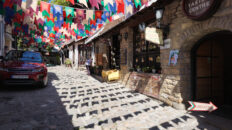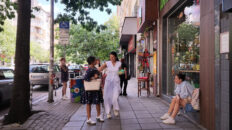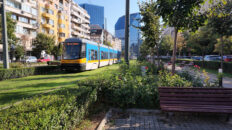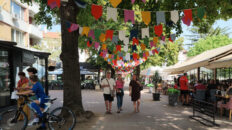



In this 4K walking tour we visit Blagoevgrad, Bulgaria – a city where 1 in 4 residents is a student. Most people outside Bulgaria have never heard of it. They are missing out.
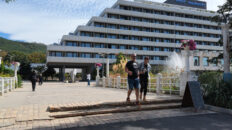
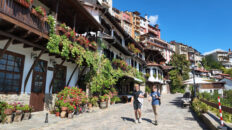
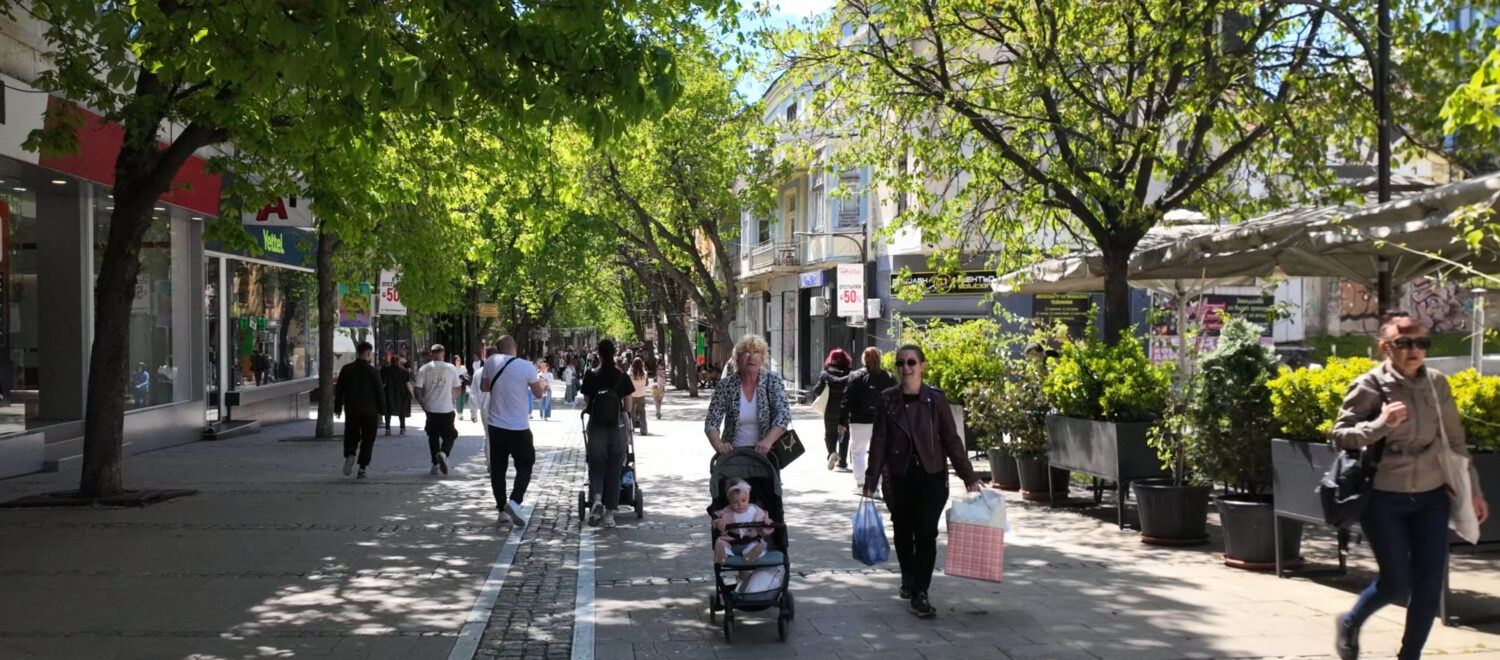
We walk the main pedestrian street lined with cafes and shops, visit the American University in Bulgaria – the first American-style university in Eastern Europe, built on the former communist party headquarters – then explore the historic Varosha quarter with its 19th-century architecture, before returning to the city center and finishing at the main square. Turn on the subtitles – there is a lot packed into this one.
Blagoevgrad sits at the foot of the Rila Mountains, an hour south of Sofia and close to both Greece and North Macedonia. The energy here is young, relaxed, and completely genuine. This is not a tourist zone.
📍 Location: Blagoevgrad, Bulgaria
📹 Filmed on: 18.04.2026
⛅ Weather: 19 °C
🎧 This video features binaural audio – for the best experience, use headphones.
📜 Don’t forget to turn on subtitles for travel tips and additional information.
Chapters
0:00 The Main Street – Blagoevgrad’s City Center
17:31 The American University in Bulgaria
28:30 Varosha – The Historic Quarter
44:23 Back to the Main Street
53:24 The Main Square
About Blagoevgrad
One in four people you pass on the street here is a student. That single fact tells you almost everything about Bulgaria’s most underrated city. Blagoevgrad has a young, energetic pulse that most Bulgarian cities simply do not have – and most visitors outside Bulgaria have no idea it exists.
The city sits in the Struma River valley at the foot of the Rila Mountains, about 100 kilometres south of Sofia. It is close to Greece, close to North Macedonia, and genuinely close to some of the best mountain scenery in the Balkans. The location alone would make it worth a visit. Add the student energy, the well-kept pedestrian center, the 19th-century Varosha quarter, and the American University – and you have a city that rewards a half-day or more.
This is not a tourist zone. There are no souvenir shops or tour buses. The cafes on the main street are full of locals, the prices are low, and the atmosphere is completely genuine. It is exactly the kind of place this channel exists to show.
History and Interesting Facts
Blagoevgrad has been a settlement for a very long time – Thracians, Romans, and Byzantines all left traces here. The Romans knew it as a staging point on routes through the Struma valley. But the city as it looks today is largely shaped by two more recent chapters: the Ottoman period and the communist era.
For centuries the city was called Gorna Dzhumaya. In 1950, the Bulgarian communist government renamed it Blagoevgrad, after Dimitar Blagoev – a Bulgarian political figure and founder of the Bulgarian Social Democratic Party, born in the region in 1856. The name stuck, even after communism fell.
The communist period left one particularly striking legacy: the former regional headquarters of the Bulgarian Communist Party. The building sat prominent and imposing at the edge of the city – until 1991, when it was handed over and transformed into something nobody expected. It became the home of the American University in Bulgaria. The first American-style university in Eastern Europe, built inside the shell of a communist power center. That is a good story.
Varosha, the old quarter, tells a different story – one of Bulgarian merchants and craftsmen during the National Revival period of the 18th and 19th centuries. While the Ottoman administration held formal control, Bulgarian culture was quietly reasserting itself in the architecture, the churches, and the street life of quarters like this one. The houses here, with their wide overhanging upper floors and carved wooden details, are the direct result of that era.
Main Attractions
The Main Pedestrian Street
The walk starts here and it is a good introduction to what Blagoevgrad actually is. The main pedestrian street is clean, well-maintained, and genuinely lively without feeling forced. Cafes spill out onto the pavement, there are small shops, and the mix of students and locals gives it an energy that bigger Bulgarian cities sometimes lack.
A coffee here costs around 2.50-3.50 BGN – roughly €1.25-1.75. Sit down, watch the street, and do not rush. This is a city that rewards going slowly.
The American University in Bulgaria (AUBG)
One of the most interesting stops in the whole walk. The American University in Bulgaria opened in 1991, in the immediate aftermath of communism’s collapse. It was the first American-style liberal arts university in Eastern Europe, and it was built on the grounds of the former Bulgarian Communist Party regional headquarters. The contrast is about as sharp as it gets.
AUBG teaches entirely in English and is fully accredited in the United States. It draws students from across Eastern Europe and beyond. The campus is well-kept and the building itself is worth seeing – it has that particular weight of communist-era architecture, repurposed into something completely different. You can walk through the grounds freely.
Varosha – The Historic Quarter
Varosha is the old Bulgarian quarter, and it is the kind of place you can spend an hour without realising it. The streets here are narrow, cobbled, and lined with National Revival-period houses – the wide overhanging upper floors, the carved wooden balconies, the small courtyards. It is one of the best-preserved examples of this architectural style in southwestern Bulgaria.
There is a church here worth stepping into – the Church of the Annunciation (Blagoveshteniye), which gives the city part of its modern name. The quarter also has a handful of small restaurants and kafanas tucked into the old buildings. If the weather is good, eat outside. The atmosphere is hard to beat.
Do not try to rush Varosha. It is small enough to cover in 20-30 minutes if you keep moving, but the point is to not keep moving.
The Main Square
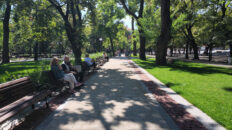
The walk finishes at the main square, which is the city’s central gathering point. It is a proper Bulgarian central square – open, with a fountain, benches, and an easy sense of everyday life going on around you. On a warm afternoon it fills up with students and families. In the evening it gets even livelier.
This is a good place to sit down, have one more coffee, and decide whether you are staying for dinner. There are restaurants within easy walking distance. The answer should probably be yes.
What to Eat and Drink
Banitsa is the thing to eat for breakfast, and Blagoevgrad does it well. Freshly baked, layered pastry filled with white cheese – it is one of those things that is technically available everywhere in Bulgaria but is noticeably better when it is made properly that morning. Find a bakery near the main street and get one while it is still warm.
Kapama is a dish worth knowing. It is a slow-cooked combination of meats, sauerkraut, and rice, baked together in a clay pot. It is deeply warming, very specific to Bulgarian home cooking, and you will find it in the traditional restaurants around Varosha. Order it if it is on the menu.
Mekitsi are fried dough pastries – simple, slightly crispy on the outside, soft inside – usually served with white cheese or jam. They are a Bulgarian breakfast staple and a good cheap option if you want something filling before you start walking.
Struma Valley wine is produced in the region surrounding Blagoevgrad. The Struma River valley has its own wine-growing area, and local red wines here tend to be full-bodied and reasonably priced. Ask for something local at any restaurant. You will usually get a good recommendation and a good price.
Rakia is mandatory at some point. Bulgaria’s national spirit, usually made from grapes or plums. Ordering a small rakia at the start of a meal in a traditional restaurant is what the locals do. Do as the locals do.
Practical Information
Getting There
By car is the most flexible option. Blagoevgrad is about 100 kilometres south of Sofia on the A3 motorway – a straightforward drive of around 1 hour to 1 hour 15 minutes depending on traffic. Airport transfers from Sofia are also available if you are flying in and heading straight down.
By train and bus, Blagoevgrad is well connected to Sofia. Buses run frequently from Sofia’s central bus station and take around 1.5-2 hours. Trains also run on this route. For flights into Sofia, Kiwi.com covers both flights and onward ground connections from the airport.
From Greece, the city is about 80 kilometres from the Kulata border crossing, making it a logical stop if you are driving north from Thessaloniki or Serres.
Cost of Living
- Coffee: 2.50-3.50 BGN (€1.25-1.75)
- Restaurant meal (main course): 10-18 BGN (€5-9)
- Dinner for two with drinks: 40-60 BGN (€20-30)
- Beer in a bar: 3-5 BGN (€1.50-2.50)
- Budget accommodation: from 40-60 BGN per night (€20-30)
- Mid-range hotel: 80-150 BGN per night (€40-75) – book via Booking.com
Best Time to Visit
Spring (April-May) and autumn (September-October) are the sweet spots. The weather is mild, the mountains are either just coming into season or showing autumn colour, and the city has its full energy with the university in session. Summer is warm and pleasant but the student population drops significantly when term ends – the city feels noticeably quieter. Winter is cold but manageable, and Bansko ski resort is close enough for a same-day ski trip.
If you are visiting Bulgaria primarily to ski, arriving in Blagoevgrad makes more geographic sense than going through Sofia – it puts you right at the gateway to the Pirin Mountains.
Pick up a Saily eSIM before you travel – it covers Bulgaria and Greece on the same plan, useful given how close the border is.
What’s Near Blagoevgrad
Bansko
About 45 minutes east by car. One of Bulgaria’s most famous ski resorts, but also a genuinely charming old town worth visiting year-round. The cobbled streets of old Bansko are some of the best in the country, and the traditional mehanas (taverns) here are the real thing. In winter it is one of the cheapest ski resorts in Europe. Easy half-day trip from Blagoevgrad, or a full day if you plan to ski or explore properly.
Razlog
About 30 minutes from Blagoevgrad and almost entirely off the tourist trail. A small Bulgarian town in the Razlog valley, surrounded by mountains, with a relaxed pace and very low prices. Most visitors drive straight through on the way to Bansko. Do not be most visitors. Worth a short stop if you have the time.
Rila Monastery
About 60 kilometres north of Blagoevgrad and one of Bulgaria’s most significant cultural and religious sites. Founded in the 10th century, UNESCO-listed, and genuinely impressive in person. The setting alone – deep in a forested gorge in the Rila Mountains – is worth the drive. Plan 2-3 hours at minimum. Go early to avoid the tour buses.
Sofia
An hour north on the motorway. Bulgaria’s capital is easy to combine with Blagoevgrad if you are spending more than one day in the region. The city center is walkable, the museums are good, and the food scene is well above what the city’s reputation suggests. Use Blagoevgrad as a southern base and Sofia as a day trip – or the other way around.
Serres, Greece
About 80 kilometres south across the border. Serres is a northern Greek city almost nobody outside Greece visits, which is exactly what makes it interesting. Strong cafe culture, excellent bougatsa (a Greek pastry you need to try), and an easy border crossing on the E79. A logical extension if you have a car and want to push south for a day.
The Rupite Area and Baba Vanga’s Complex
About 50 kilometres southwest of Blagoevgrad. Rupite is the site associated with Baba Vanga, Bulgaria’s most famous mystic, and it has a genuinely unusual atmosphere – hot mineral springs, a small church she commissioned, and striking volcanic landscape. Whether or not you are interested in the legend, the location itself is worth seeing. Good option if you have a car and an afternoon free.