









📍 Location: Sofia, Bulgaria
📹 Filmed on: 18.05.2026
⛅ Weather: 21 °C
🎧 Binaural audio – use headphones for the best experience.
📜 Turn on subtitles for travel tips and local info throughout the walk.
Chapters
0:00 Start of the walk
4:06 Pirotska Street
13:37 Sofia’s Zhenski Pazar (Ladies’ Bazaar)
28:13 Lion’s Bridge
29:10 Boulevard Knyagina Maria Luisa
38:29 Halite – Central Market Hall of Sofia (Kaufland)
About This Walk
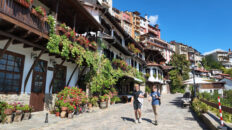
This walk covers the part of Sofia, Bulgaria that most visitors never reach. Starting on Pirotska Street, the route moves through Zhenski Pazar – the city’s oldest open-air market – across Lion’s Bridge, along Boulevard Knyagina Maria Luisa, and ends inside Halite, the Art Nouveau market hall that has been feeding the city since 1911. This is the everyday Sofia. The working city, not the tourist one.
Locations in This Walk
Pirotska Street
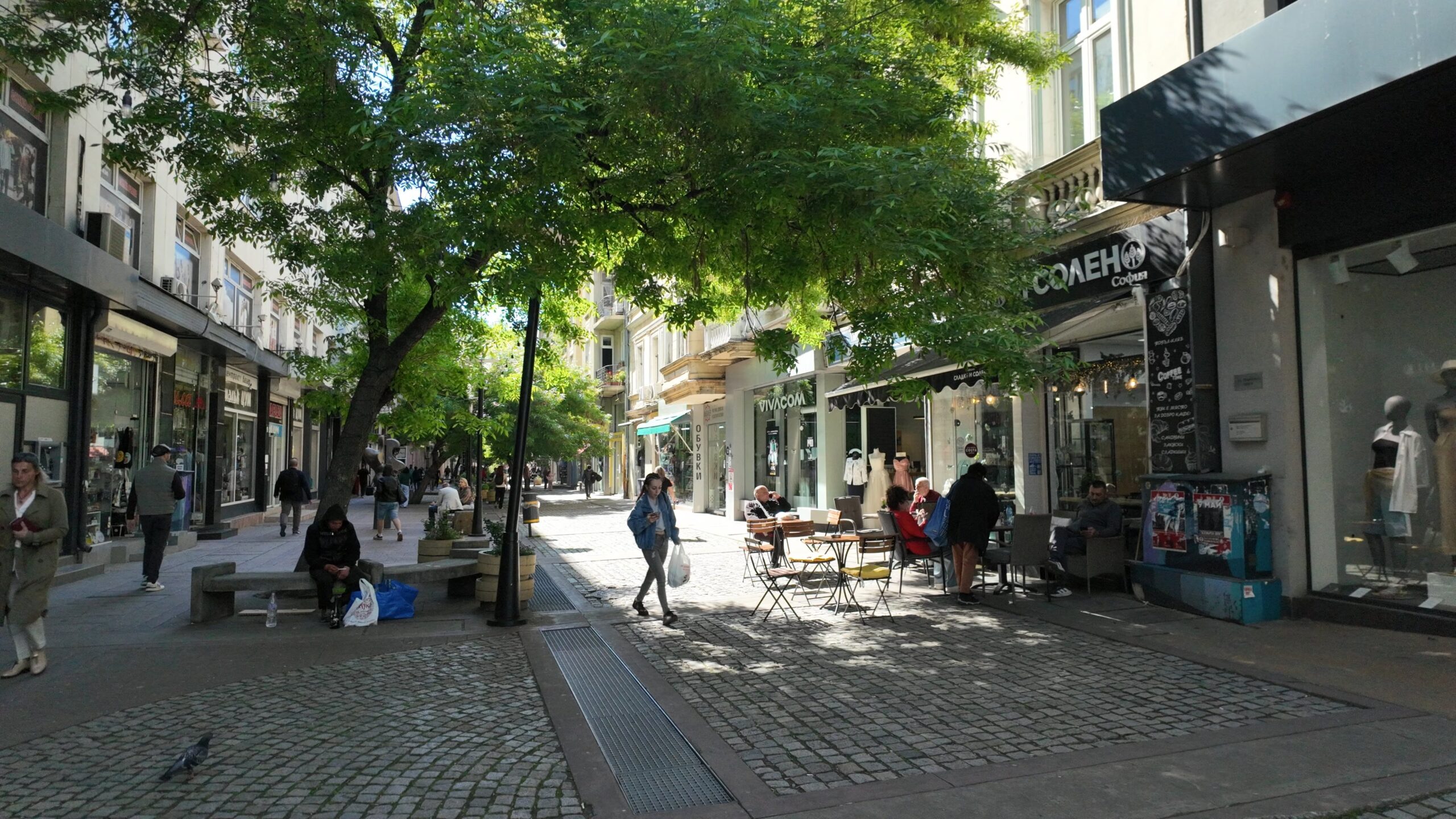
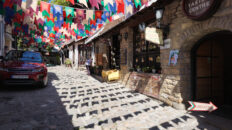
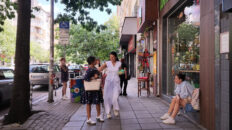
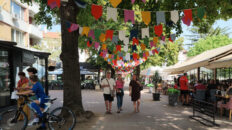
Pirotska is one of Sofia’s pedestrian streets, named after the Serbian city of Pirot. It runs close to the city center but with a completely different feel from the main tourist zone – local shops, everyday cafes, people with somewhere to be. Less polished than Vitosha Boulevard. More genuine.
The most interesting stretch is where Pirotska connects with the central market district. The street life here has real energy and purpose. Stalls spill onto the pavement, vendors call out prices, and the mix of people reflects a side of Sofia that most walking tours skip entirely. That alone makes it worth including in any visit to the city.
Zhenski Pazar – Sofia’s Ladies’ Bazaar
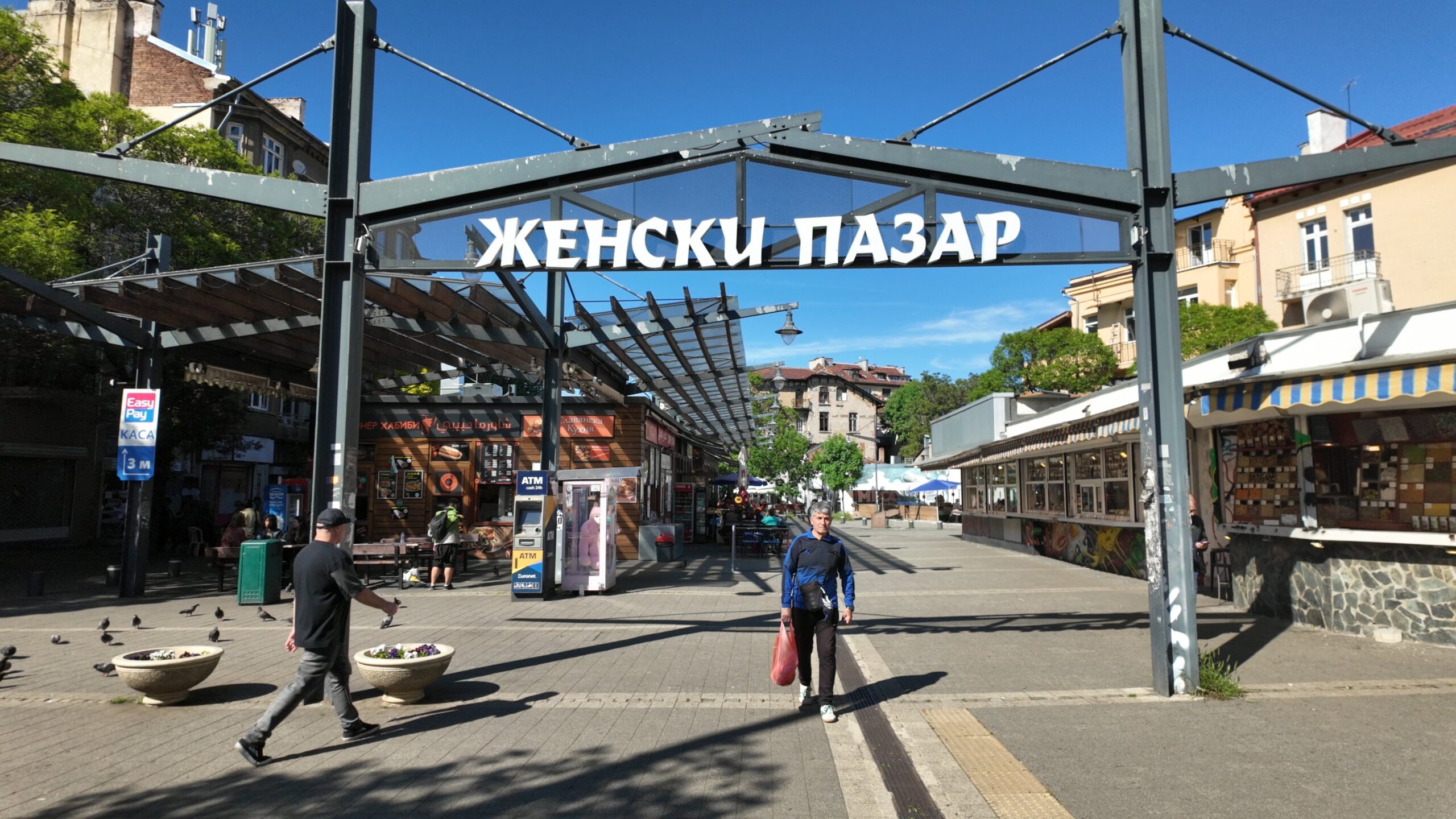
Zhenski Pazar is the oldest open-air market in Sofia. The name translates to Women’s Market – it dates to the 19th century, when women from the villages around Sofia came here to sell their produce. The market has been running continuously for over 130 years. It shows.
Today it covers a full city block and sells almost everything: vegetables, fruit, fresh herbs, spices, dairy, pickles, eggs, cheap clothing, and household goods. The vendors are loud, the stalls are tight, and the prices are genuine Sofia prices. Nothing about this market is curated for visitors. That is exactly why it is worth your time.
Go in the morning for the best produce and the most energy. The market runs every day, though Sunday tends to be quieter. Bring cash – most stalls do not take cards. If you see fresh honey or locally made preserves, buy them. You will not find better prices anywhere in the city center.
Lion’s Bridge
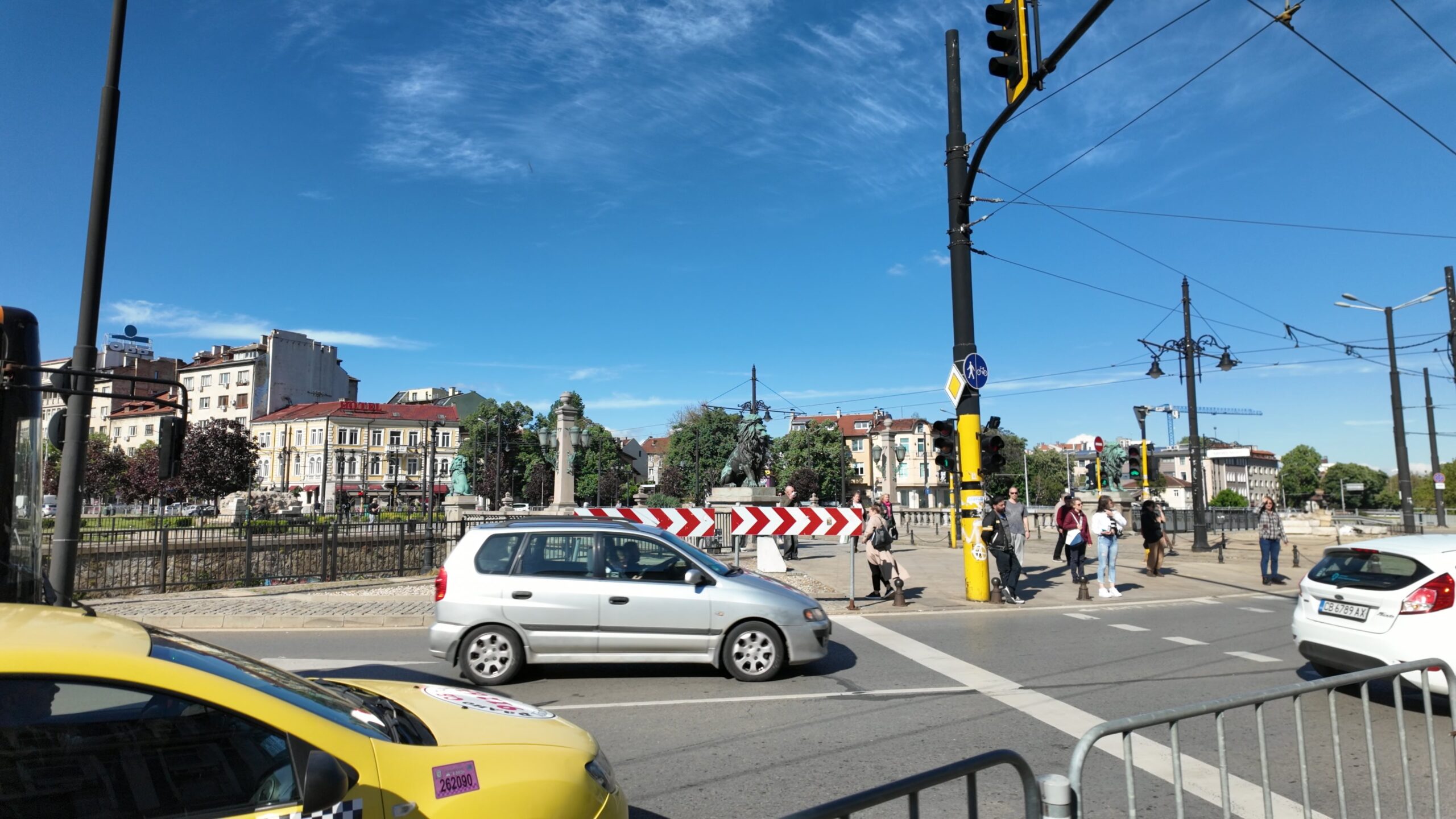
Lion’s Bridge was completed in 1891 and is one of the oldest surviving landmarks in modern Sofia. The name comes from the four stone lions standing at each corner – solid, slightly weathered, more charming than grand. The bridge crosses the Vladaya River, though at this point the river runs mostly underground and only a narrow channel remains visible.
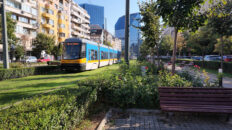
The lions were sculpted by Austrian artist Arnaldo Zocchi. The bridge was designed by Bulgarian architect Proslav Krstić. It is free to cross, and the area around it – small gardens, a tram stop, the start of Boulevard Knyagina Maria Luisa – is worth a moment to slow down and take in. The bridge is a natural dividing line between the market district and the broader city beyond it.
Boulevard Knyagina Maria Luisa
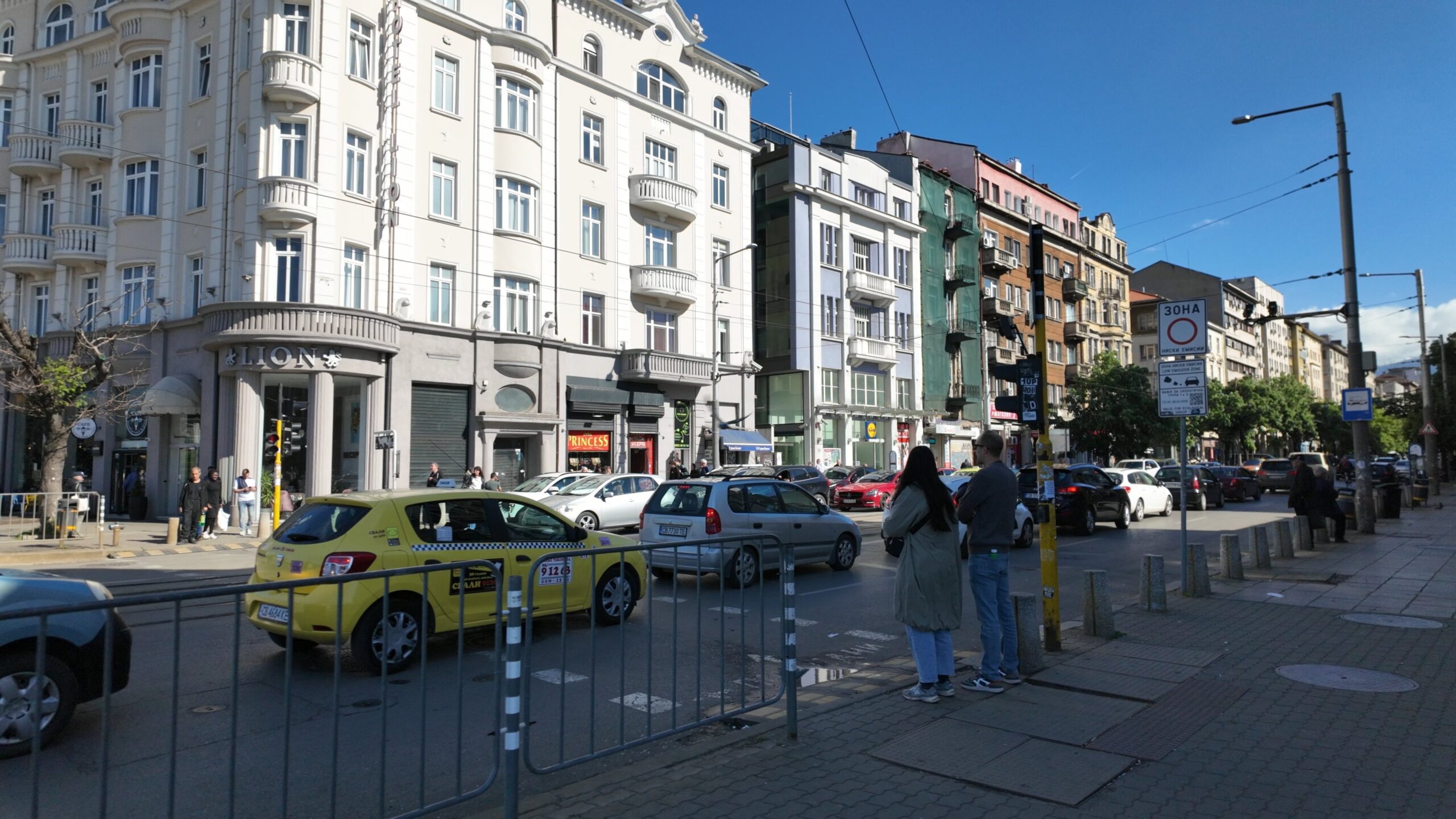
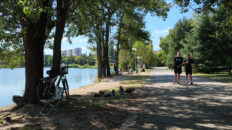
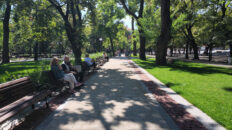
Boulevard Knyagina Maria Luisa is one of Sofia’s main arteries, running from the Central Railway Station toward the historic city center. It is named after Princess Maria Luisa of Bourbon-Parma, the first wife of Prince Ferdinand I of Bulgaria, who arrived in the country in 1893.
The boulevard passes through the heart of the market district. Halite and Zhenski Pazar are both on or just off it. Lion’s Bridge sits partway along its length. The architecture shifts as you walk – late 19th-century Bulgarian Kingdom buildings sit next to 20th-century blocks – and the whole stretch gives a clear sense of how Sofia grew outward from its older core. It is a working city boulevard, not a showpiece, and it is more interesting for it.
Halite – Central Market Hall of Sofia
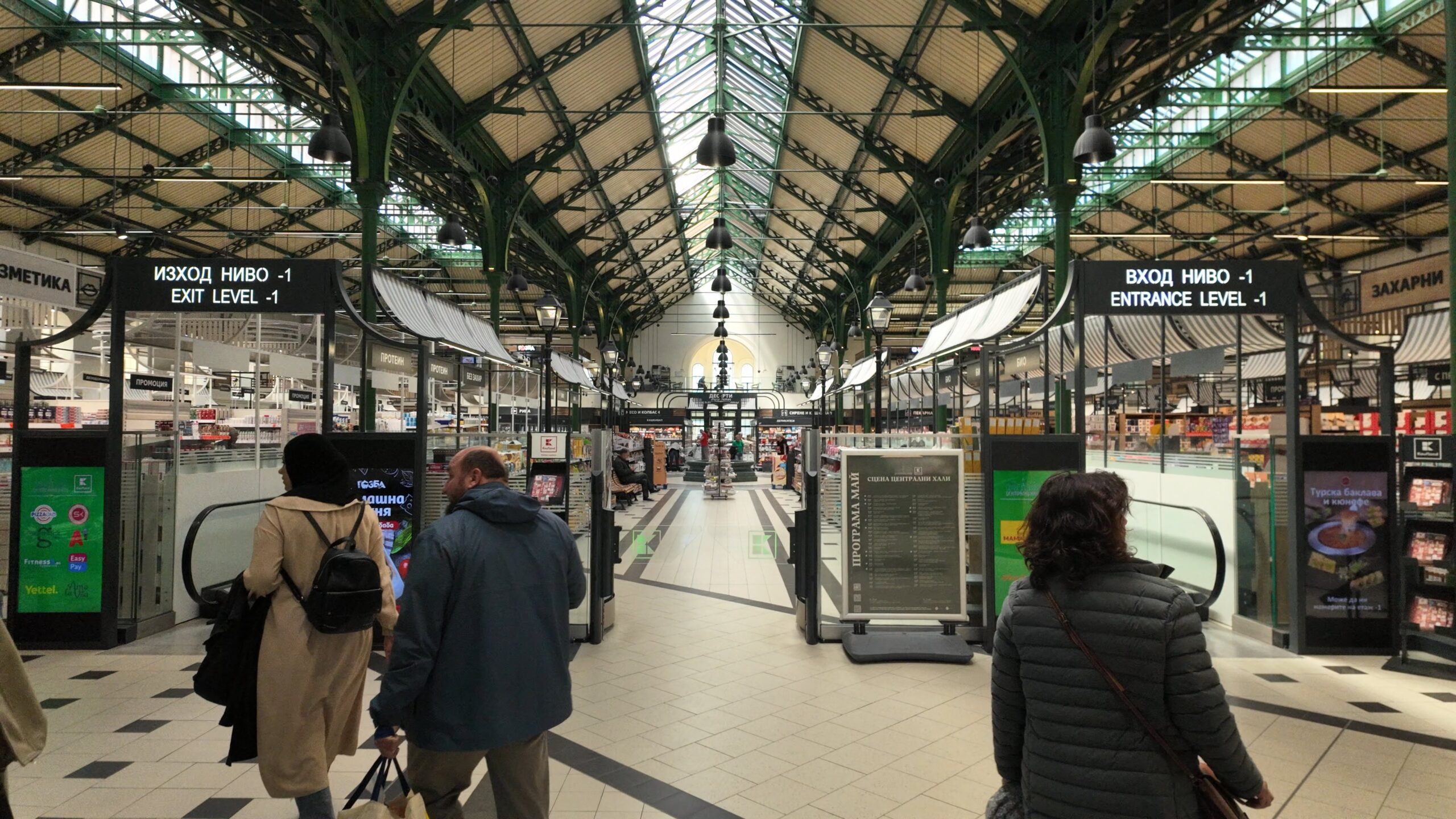
Halite is the best surprise on this walk. The building was completed in 1911 in Art Nouveau style – ornate ironwork, large arched windows, a sweeping covered hall in the tradition of the great European market halls of the late 19th century. The exterior is one of the most beautiful pieces of architecture in this part of Sofia. Standing outside it, you would expect to find a high-end food market or a restaurant complex inside.
What you actually find is a Kaufland supermarket. The combination is genuinely strange and somehow works. The building was carefully restored in the early 2000s, and the original iron structure and vaulted roof are still clearly visible even with the full supermarket operating beneath them. Entry is free. It is one of the most unusual grocery shops you will walk into anywhere in Europe. Worth going in even if you do not need to buy anything.
Planning Your Visit to Sofia
For everything you need to plan a trip – hotels, transport, food, cost of living, and the full city guide – see our complete Sofia travel guide.
What’s Near
Sofia City Center – Full Walking Tour
This walk covers the main Sofia city center – Alexander Nevsky Cathedral, the central pedestrian zone, the key squares and landmarks. It is a natural companion to this market walk. Together the two routes cover the two very different faces of the city. Filmed in May on one of the busiest days of the year.
Vitosha Boulevard
Vitosha Boulevard is Sofia’s main pedestrian shopping street – the polished, commercial counterpart to the market district. The atmosphere is completely different from Zhenski Pazar and Pirotska, which makes the contrast interesting. A good option if you want to see both sides of the city in a single day.
Plovdiv
Plovdiv is around two hours from Sofia by train or bus and is worth every minute of it. The Old Town is one of the most impressive historic quarters in the Balkans, built across three hills above the Maritsa River. Easy as a day trip or a short overnight from Sofia. You can book Plovdiv tours and activities here.