













📍 Location: Pleven, Bulgaria
📹 Filmed on: May 11, 2026
⛅ Weather: 24 °C
🎧 This video features binaural audio – for the best experience, use headphones.
📜 Don’t forget to turn on subtitles for travel tips and additional information.
Chapters
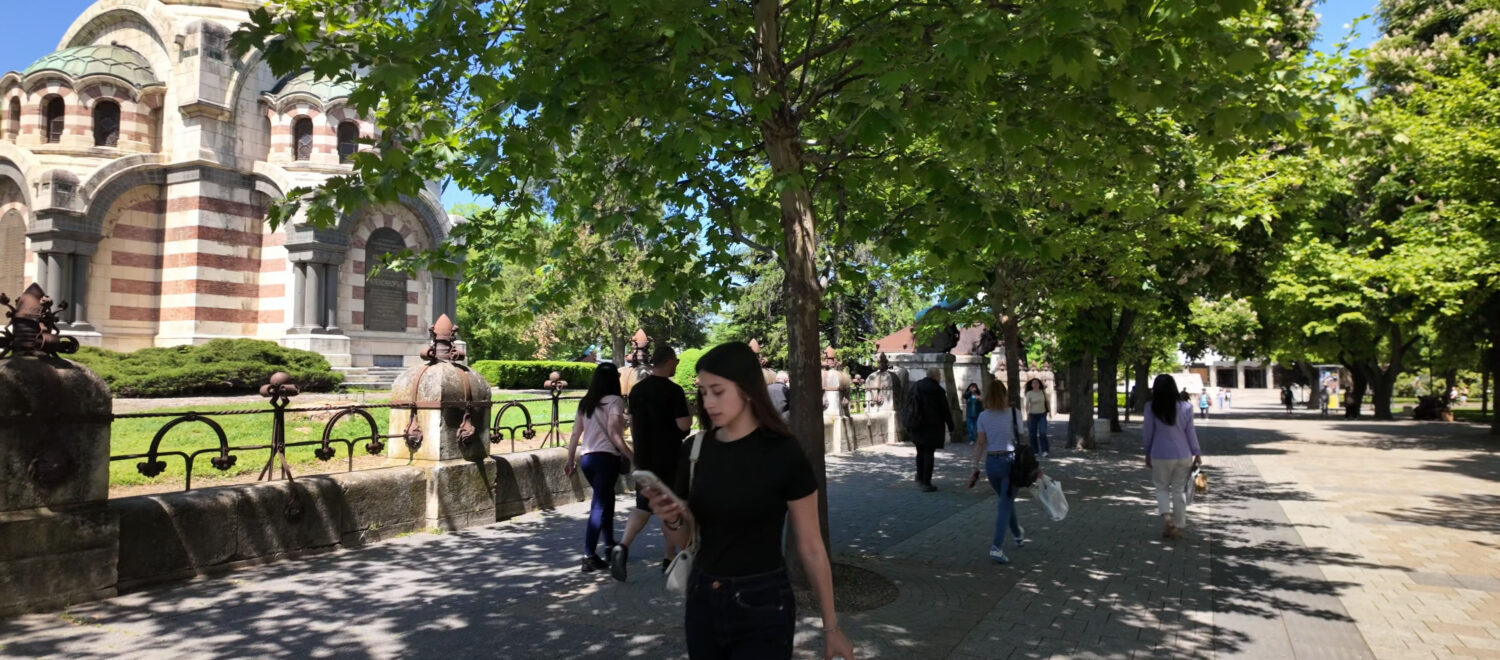
00:00 Start of the walk at Pleven City Center
4:56 The Main Street – Vasil Levski Boulevard
13:13 Museum of the Liberation of Pleven
18:55 Ivan Radoev Theatre
20:53 Narodnata Cheshma & Church of St. Nicholas the Wonderworker
22:41 Danail Popov Boulevard
23:27 Luxury Limousine on the Boulevard
34:08 Vazrazhdane Square – The Grand Fountain
39:55 Chapel-Mausoleum of St. George the Victorious
52:21 City Park – Art Gallery, Aura Center & Singing Fountain
About Pleven
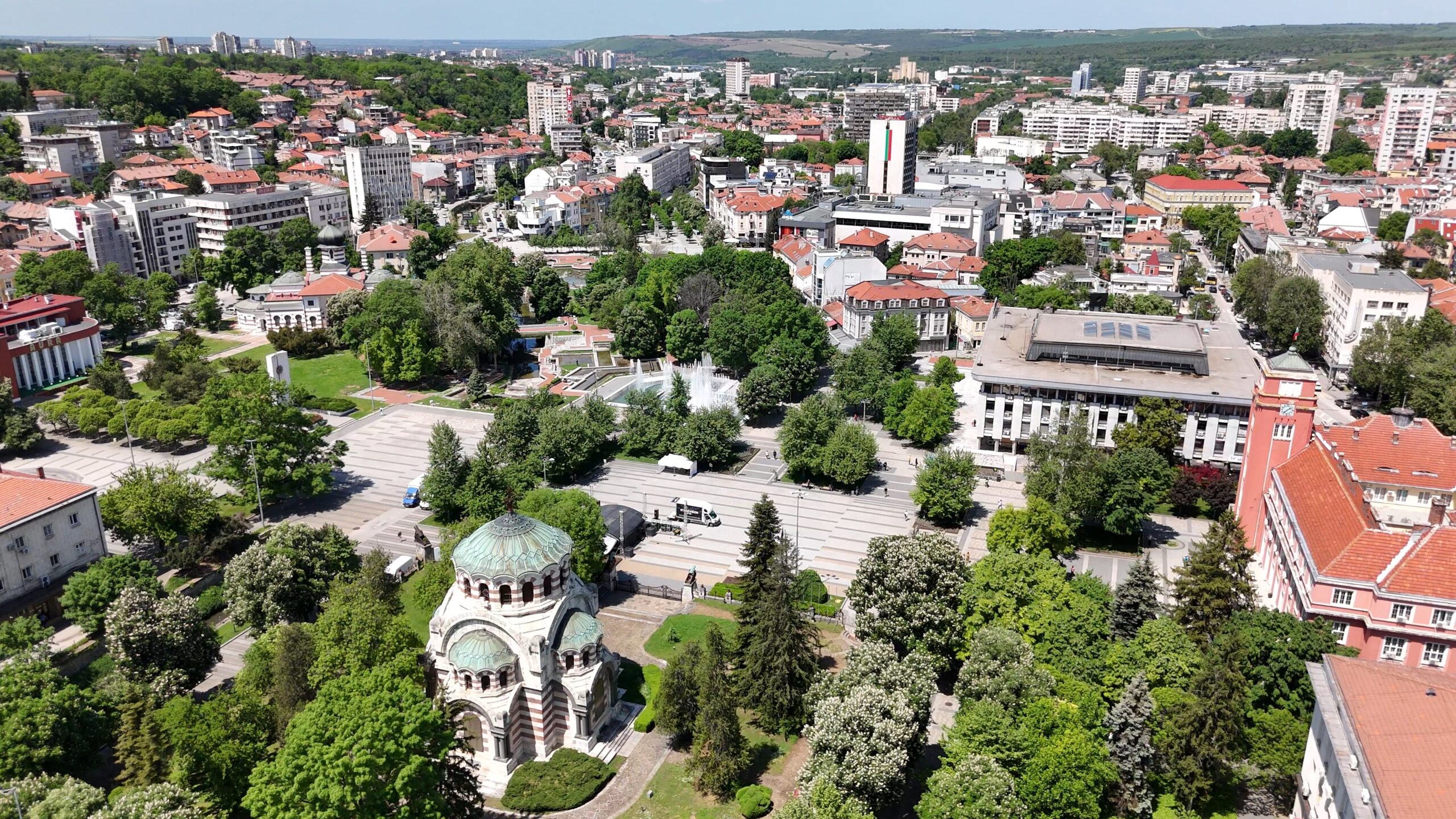
Pleven is the city where Bulgarian freedom was decided. The five-month Siege of 1877 was one of the bloodiest battles of the 19th century, and when the city fell on December 10 that year, the road to independence was clear. Over 200 war monuments stand throughout the streets and parks today – many surrounded by the unique cannon-and-bayonet fences that are Pleven’s signature. You feel the history the moment you start walking.
What surprises most visitors is how complete the city is beyond the war legacy. Wide, confident boulevards. A serious regional art gallery. An excellent city park with a singing fountain. And café culture that is relaxed, affordable, and genuinely local. This is a place that rewards a day or two on the ground.
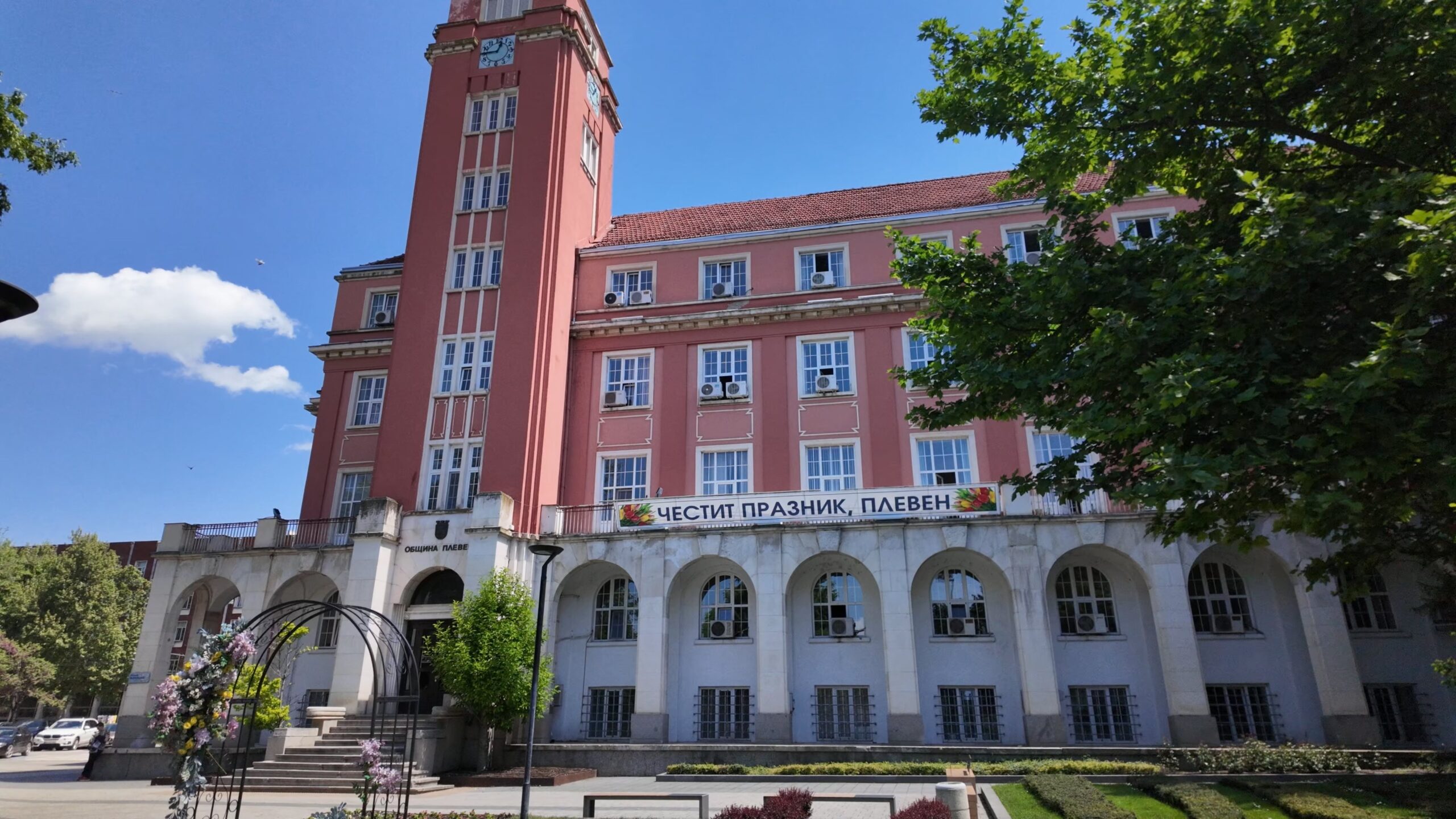
Pleven is Bulgaria’s seventh largest city, with around 90,000 residents, sitting 170 kilometers north of Sofia in the northern plains. Most international travelers skip it entirely. That is a mistake worth correcting.
History and Interesting Facts
The area around Pleven has been settled since at least the 5th millennium BC. The land passed through Thracian, Roman, and Byzantine hands before the Ottomans took control, where it stayed for around five centuries.
In 1869, the Bulgarian national hero Vasil Levski chose Pleven as the location for the very first Bulgarian revolutionary committee. The network he built here became the foundation of the independence movement. The city was already a place where things happened before 1877.
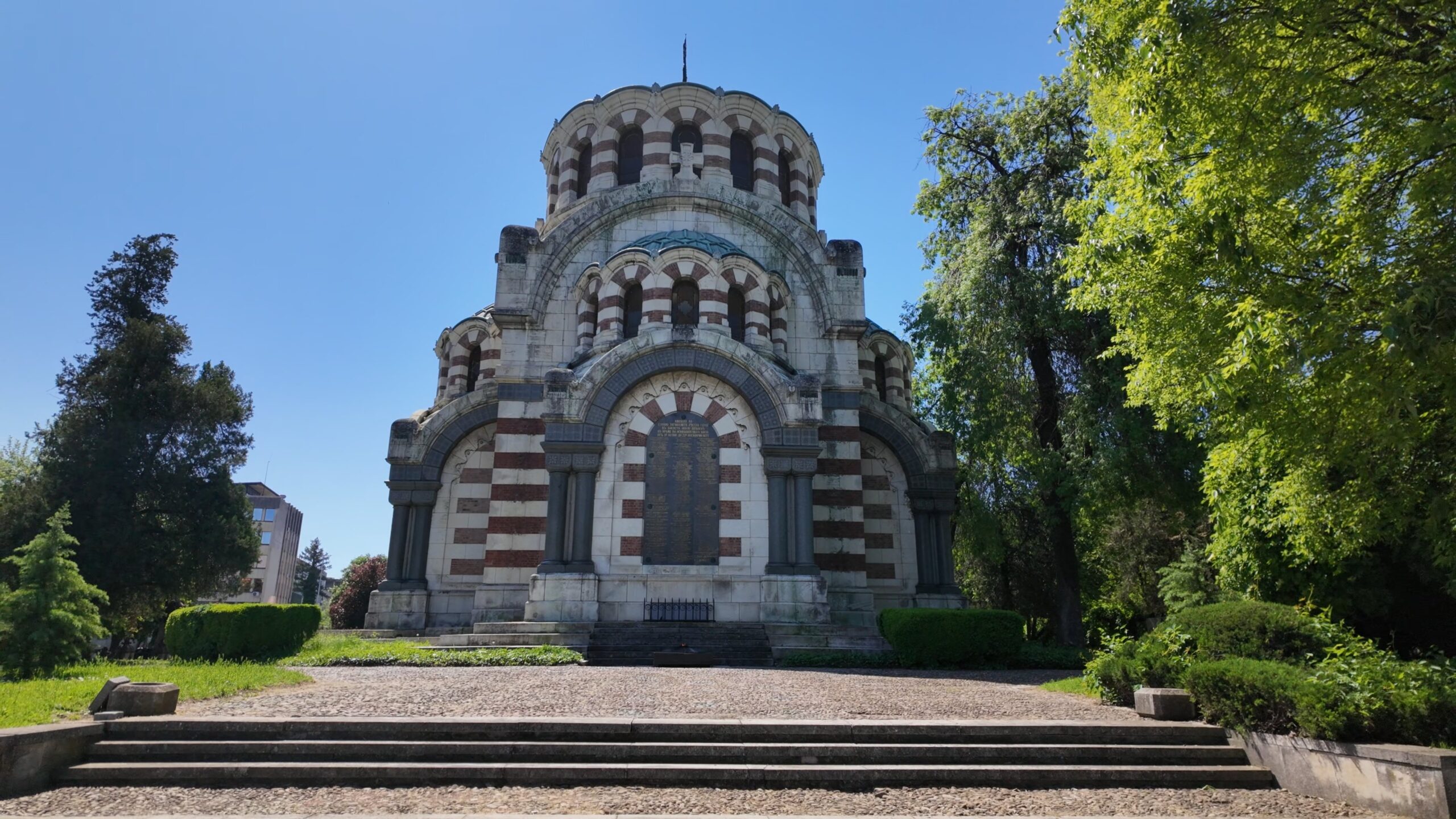
The decisive chapter came with the Russo-Turkish War. Russian and Romanian forces, fighting to end Ottoman rule in the Balkans, were halted at Pleven by General Osman Nuri Pasha. He had turned the city into a formidable defensive position. Three Russian assaults – in July and then September 1877 – were beaten back with severe losses. The Russian command switched to a siege strategy, cutting off supplies. The civilian population suffered badly. On December 10, Osman Pasha attempted a breakout and failed. He surrendered with his remaining garrison. The war was effectively over.
It cost the Russian and Romanian alliance around 38,000 casualties to take Pleven. The city never forgot it. December 10 is celebrated every year with a formal re-enactment – period costumes, military formations, and the full ceremony of the surrender. If you can time a visit around it, there is nothing quite like it in Bulgaria.
One more detail: Ivan Radoev, one of Bulgaria’s most celebrated playwrights and poets, was born in Pleven in 1923. The city’s main theatre carries his name.
Main Attractions
Vasil Levski Boulevard
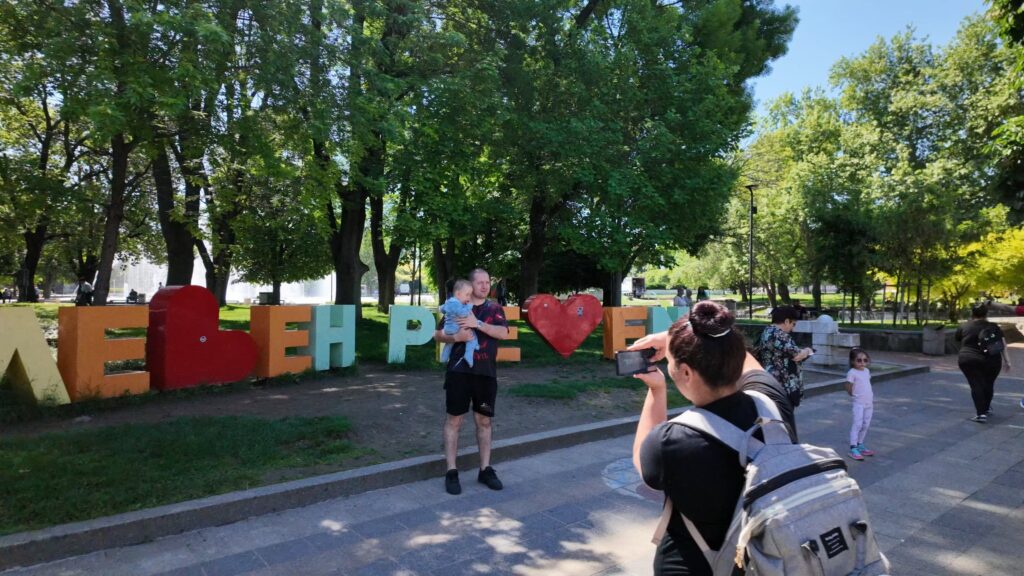
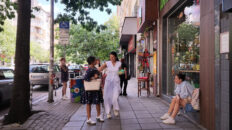
The main pedestrian street of Pleven is wide, well-maintained, and genuinely busy through most of the day. Cafes, bakeries, and small restaurants line both sides. The atmosphere is relaxed and local – not a tourist zone, just a city going about its day. Good coffee here costs around €1.20 to €1.50.
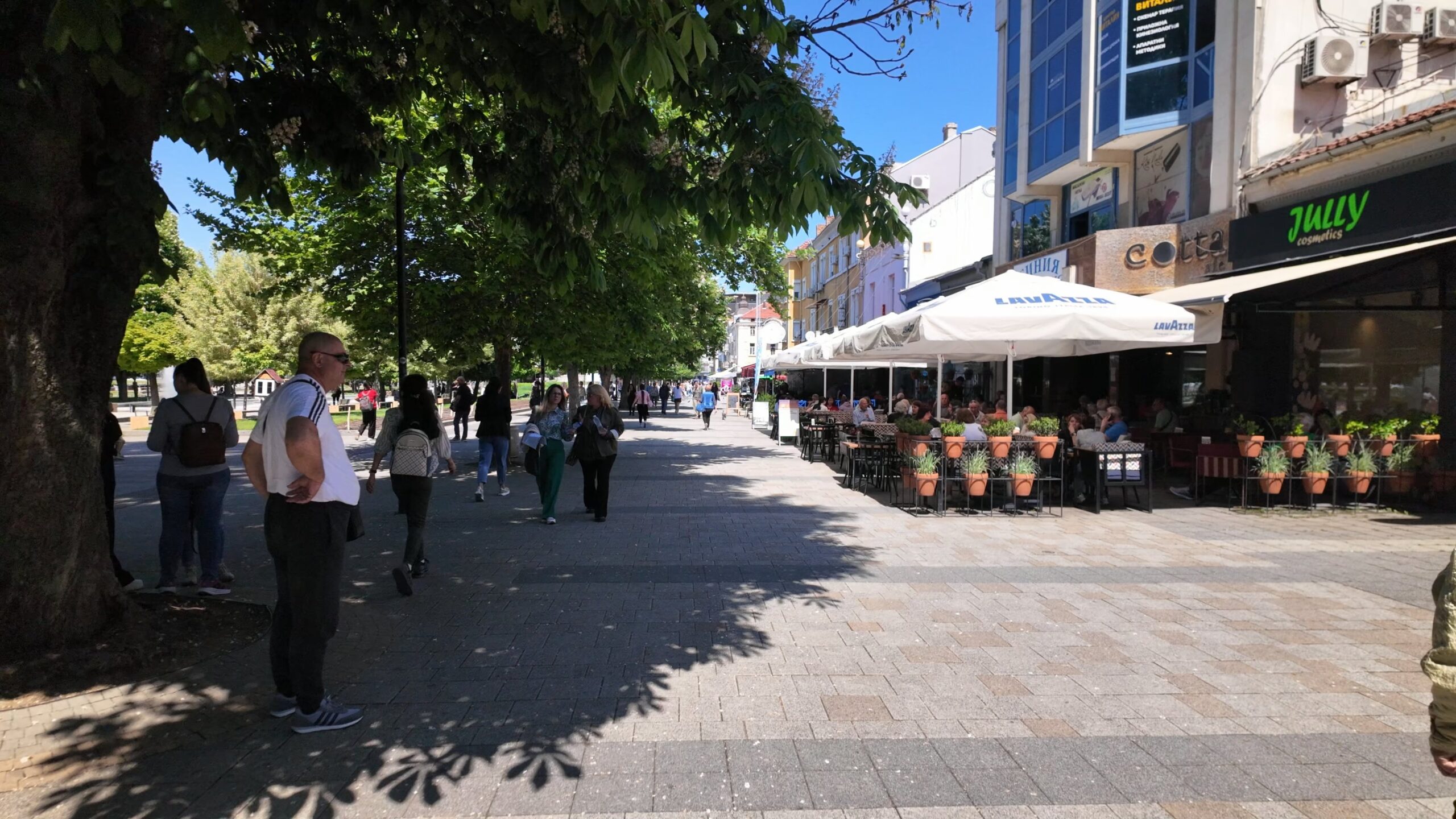
Named after the revolutionary who chose this city for his first committee in 1869, the boulevard carries that history quietly. A natural place to start the walk and get a feel for the city before you get into the monuments.
Museum of the Liberation of Pleven 1877
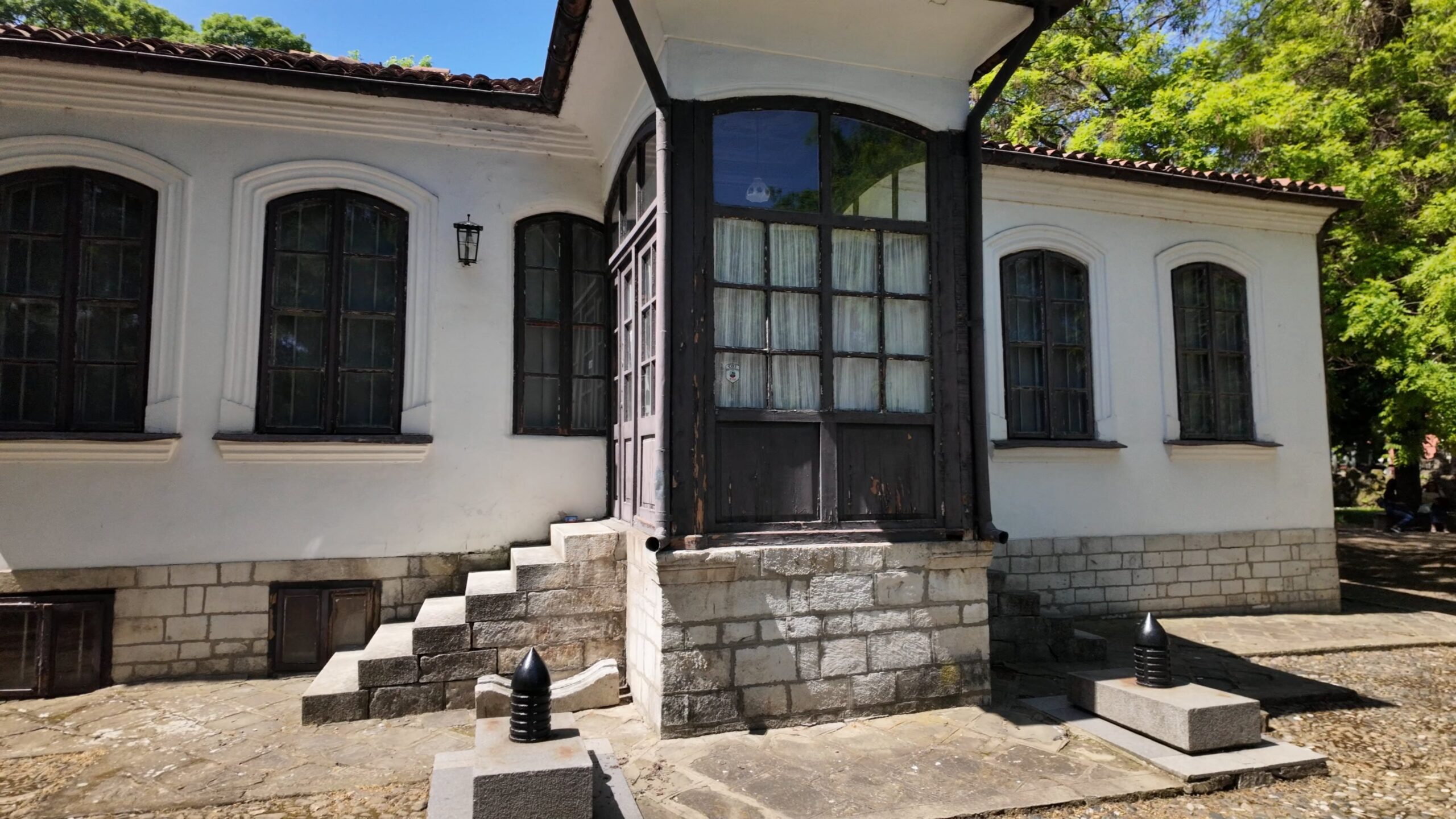
One of the most distinctive outdoor memorial sites in Bulgaria. The museum grounds are filled with war monuments built using actual cannons from the 1877 siege – not replicas, original artillery. The iconic cannon fences and crossed bayonets surrounding each monument are unique to Pleven and have become a symbol of the city.
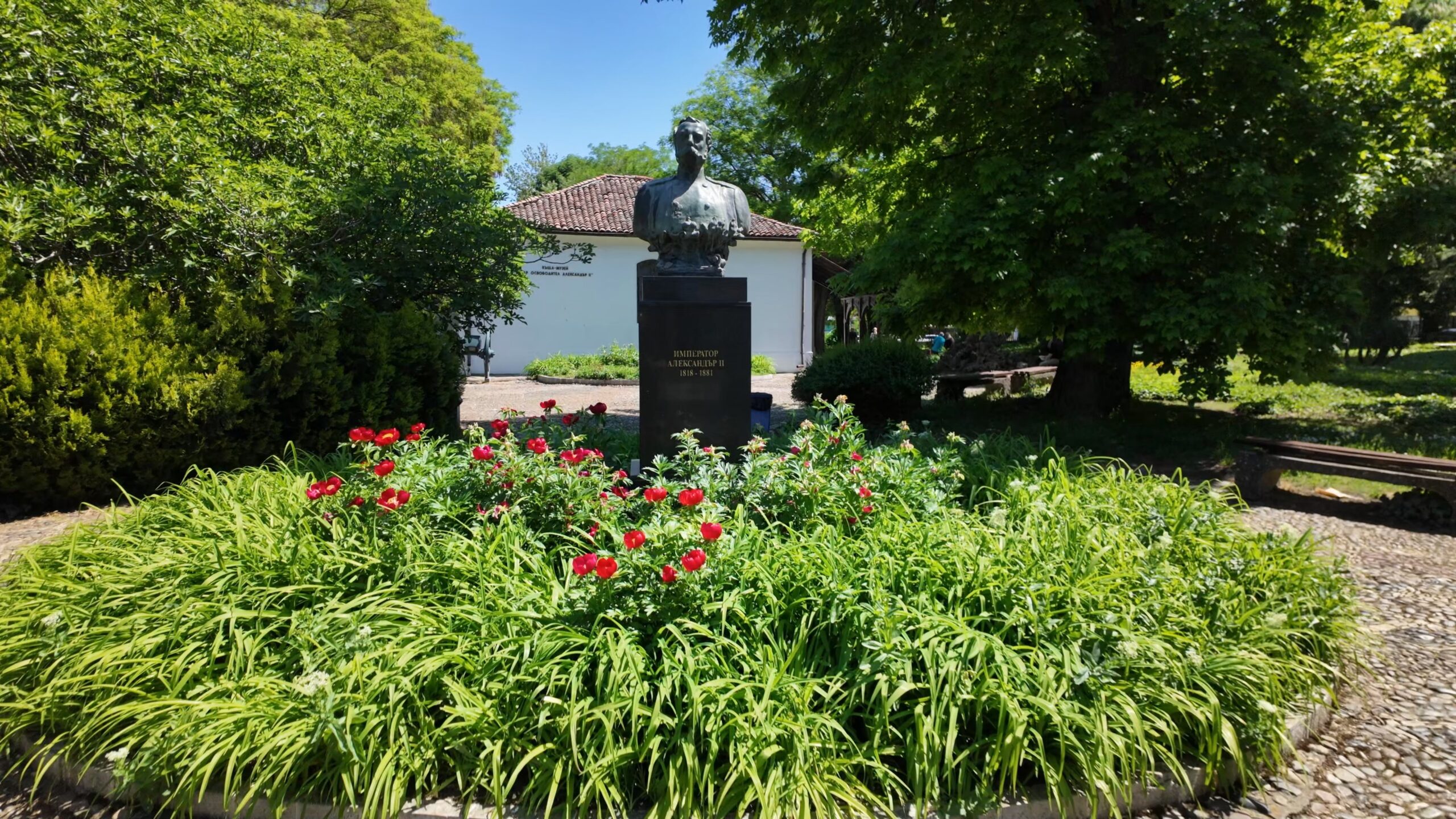
The exhibits cover all four battles of the siege in real detail. Entry to the grounds is very affordable. Set aside at least 20 to 30 minutes to walk the full site properly. It is more absorbing than it looks from the entrance.
Pleven Panorama – Epopee 1877
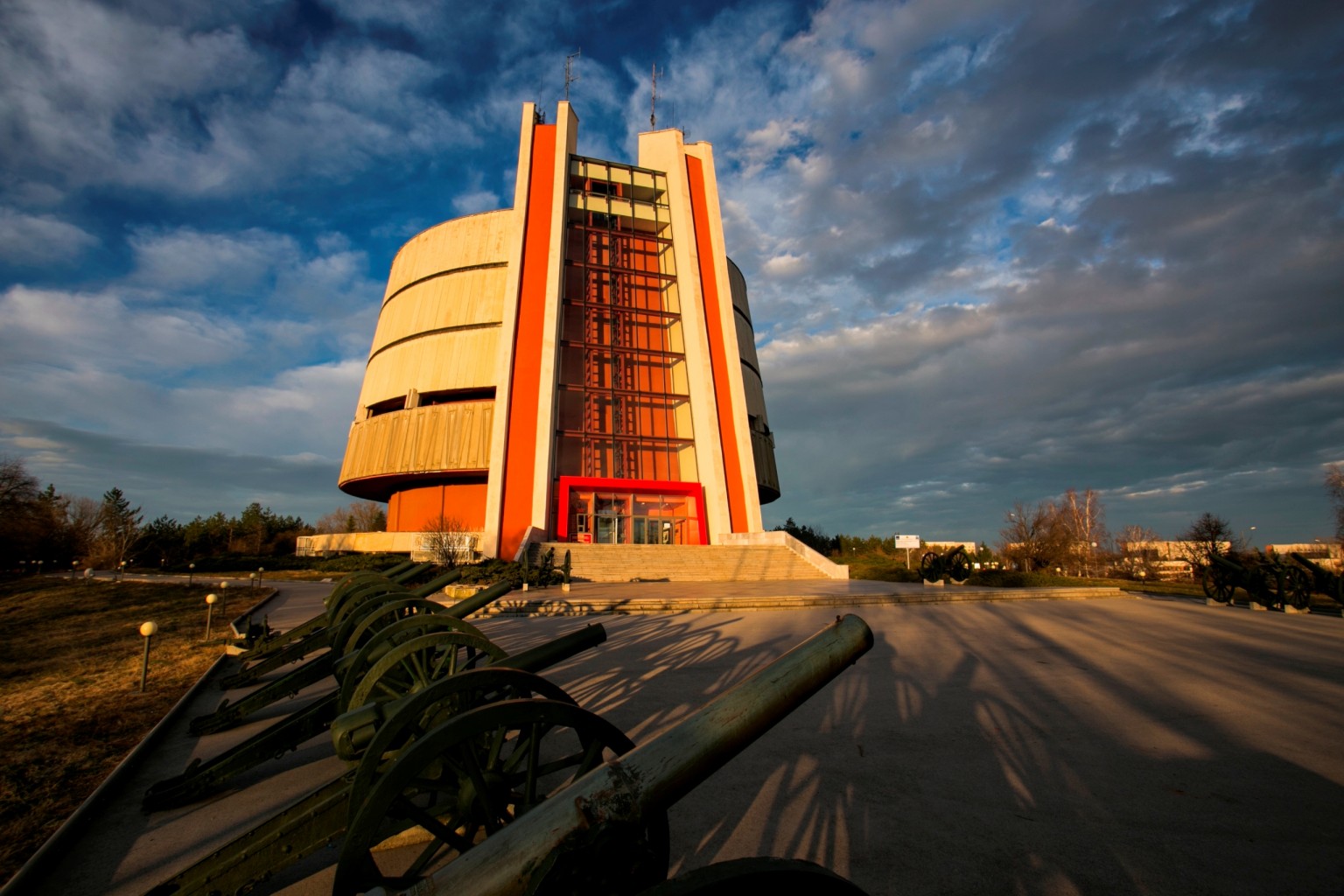
One of the largest circular panorama museums in the world. Opened in 1977 on the centennial of the siege, it depicts the third and bloodiest assault on the city in 360-degree painted detail. The panorama sits inside Skobelev Park, on the very ground where some of the fighting took place.
This site is not covered in the walk, but do not skip it on a visit to Pleven. Allow 45 minutes to an hour for the panorama itself, and more if you want to explore the park. If you want to book a guided tour of Pleven’s battle sites and the panorama, Booking.com Attractions lists local options.
Ivan Radoev Theatre
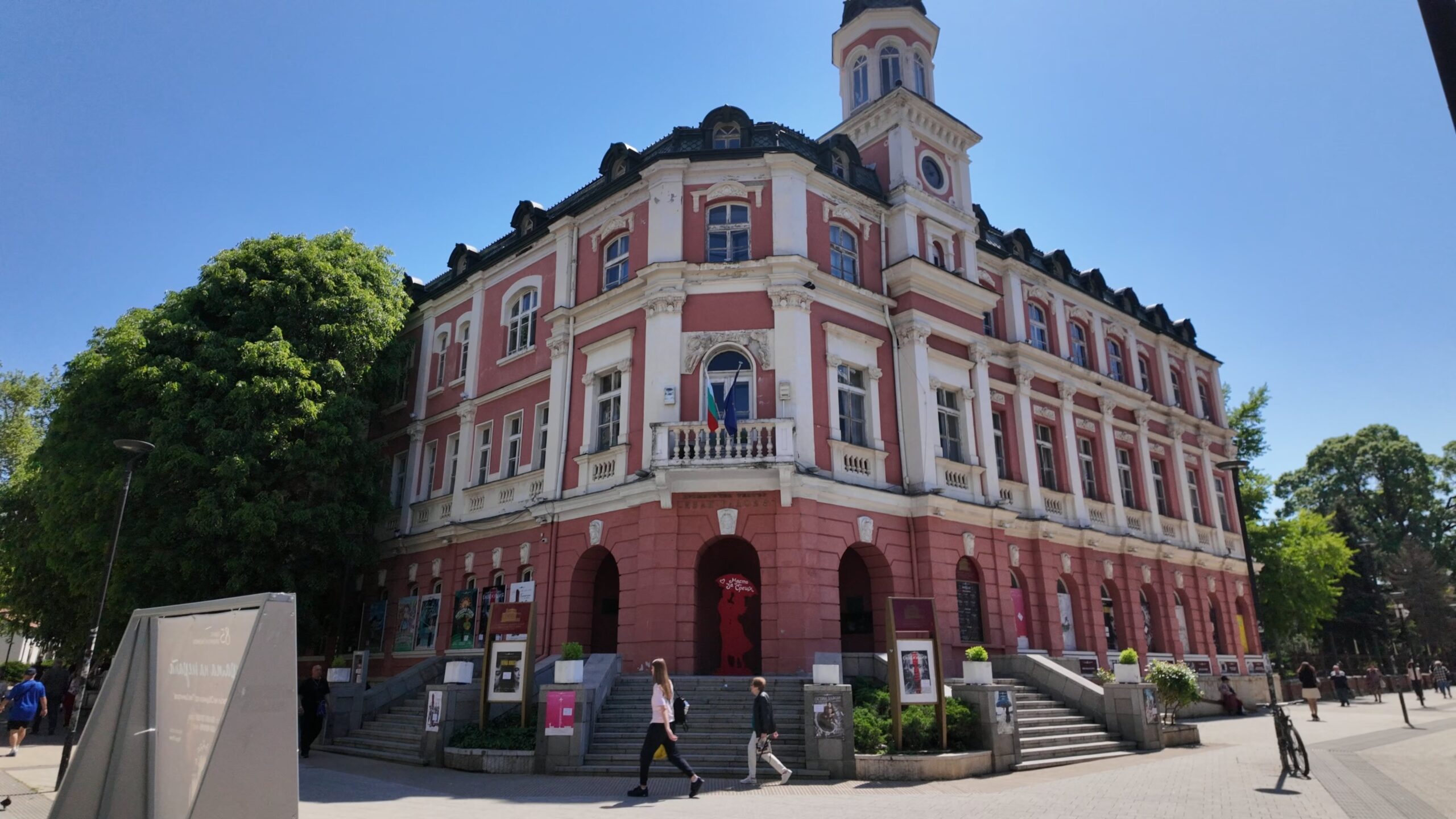
A handsome building right in the city center that gives a sense of Pleven’s cultural ambitions. The theatre is named after Ivan Radoev (1923-1982), a playwright and poet who was one of the most important figures in modern Bulgarian drama – and who was born in this city.
Even if you are not attending a performance, the building and surrounding square are worth a stop. It feels like a proper European cultural center, not an afterthought in a regional city.
Narodnata Cheshma and Church of St. Nicholas the Wonderworker
The Narodnata Cheshma – the People’s Fountain – is a historic drinking fountain that has served the city for generations. Still used, still well-maintained. The kind of detail that gives a walking tour real texture.
The Church of St. Nicholas the Wonderworker is nearby – a solid Orthodox church in the city center, well-preserved and worth a short visit. St. Nicholas is one of the most venerated saints in Bulgarian Orthodoxy, and the church is active and welcoming to visitors. Entry is free.
Danail Popov Boulevard
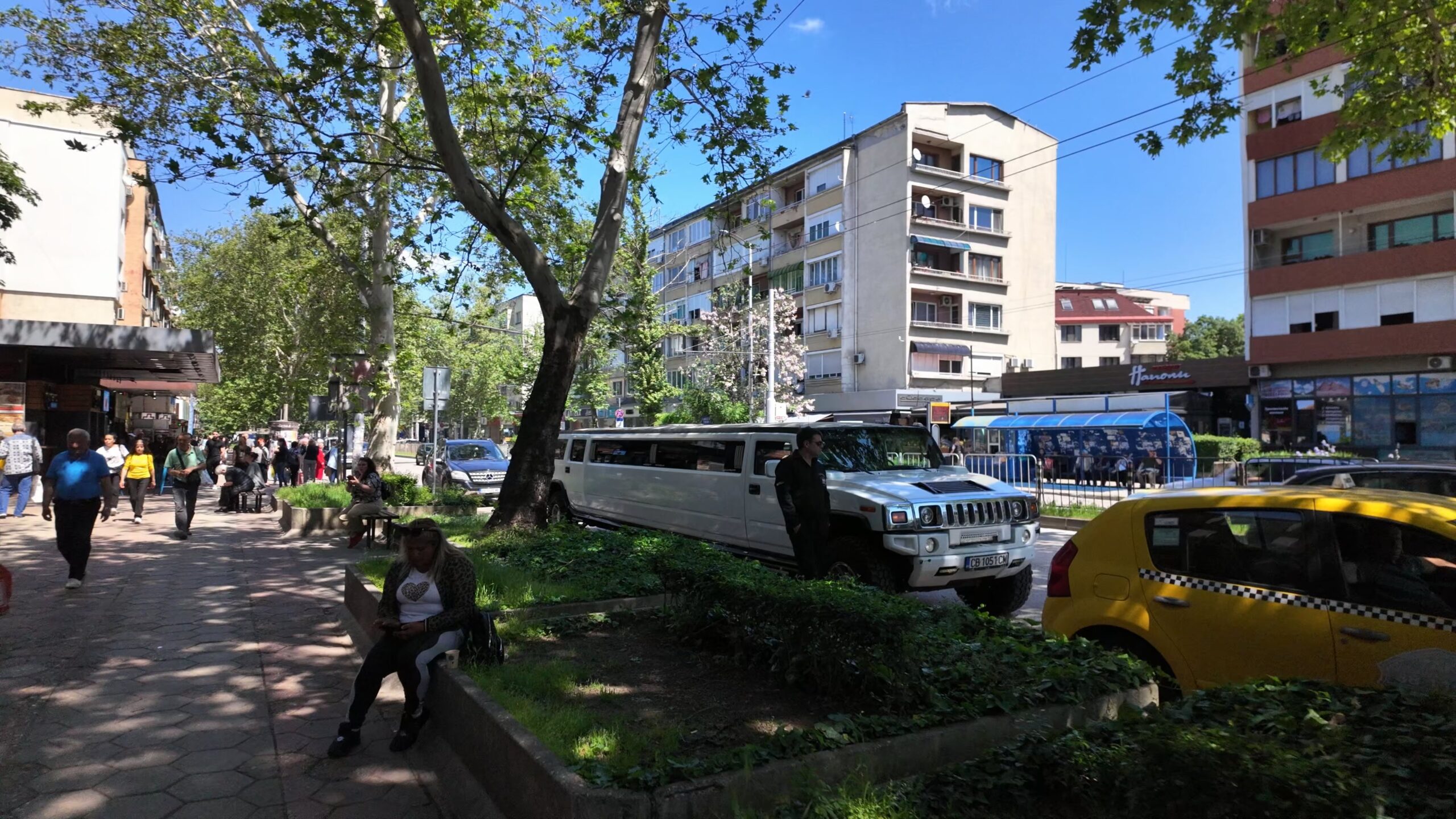
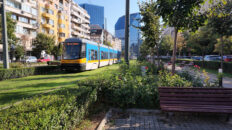
One of the main boulevards cutting through the city center, tree-lined and pleasant at any time of day. The architecture along this stretch reflects the confident rebuilding that followed independence – wide, purposeful, built to last.
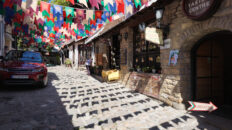
The walk catches a genuinely Pleven moment here – a luxury limousine parked between an ordinary café and a fruit stall. That particular contrast says something real about the city.
Vazrazhdane Square and the Grand Fountain
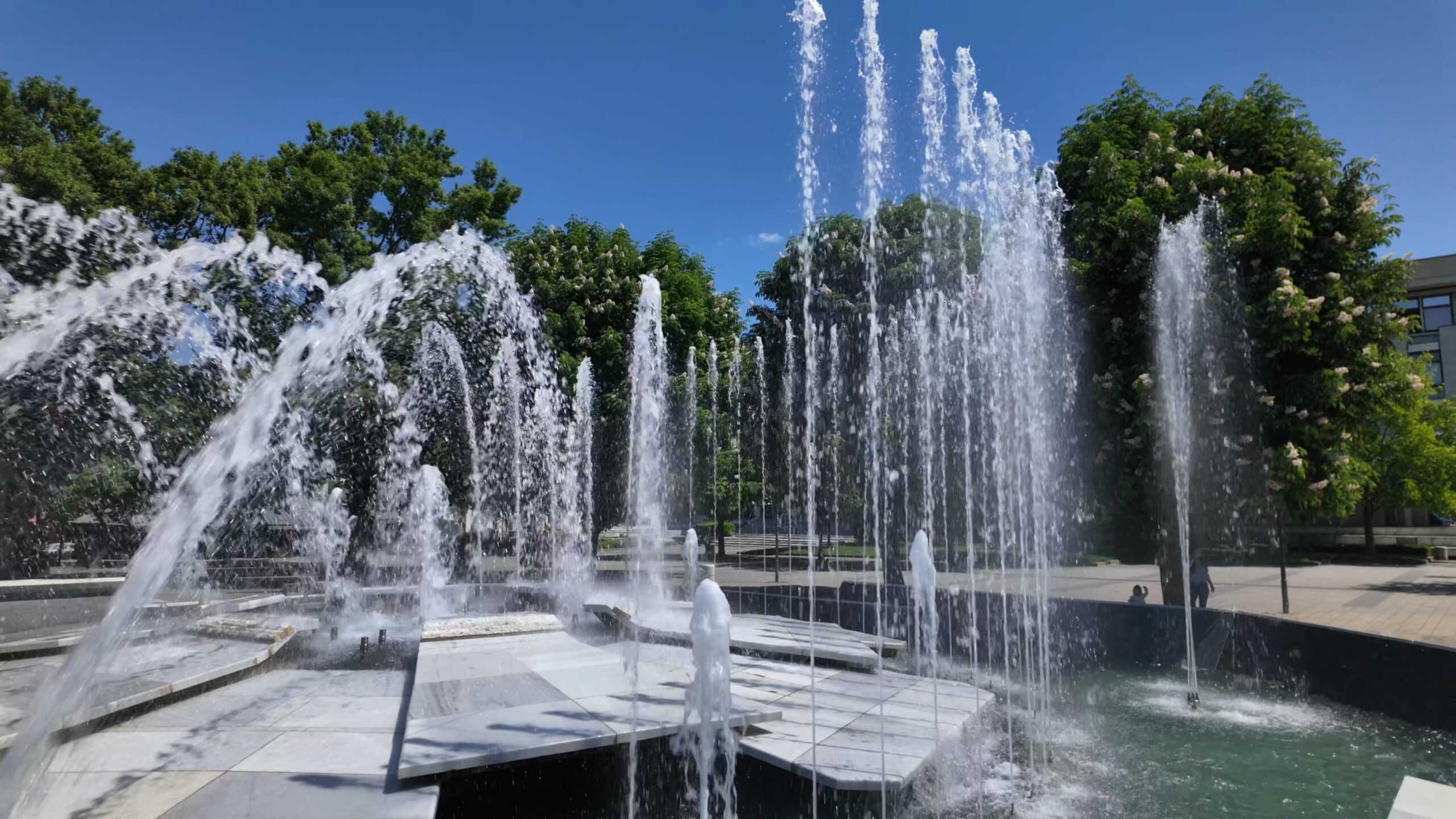
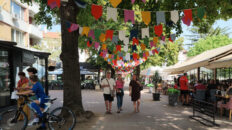
The central gathering square of Pleven, and one of the best-looking public spaces in northern Bulgaria. The fountain cascade is the centerpiece – multiple water jets arranged in tiers, lit in the evenings, surrounded by locals of all ages through most of the day.
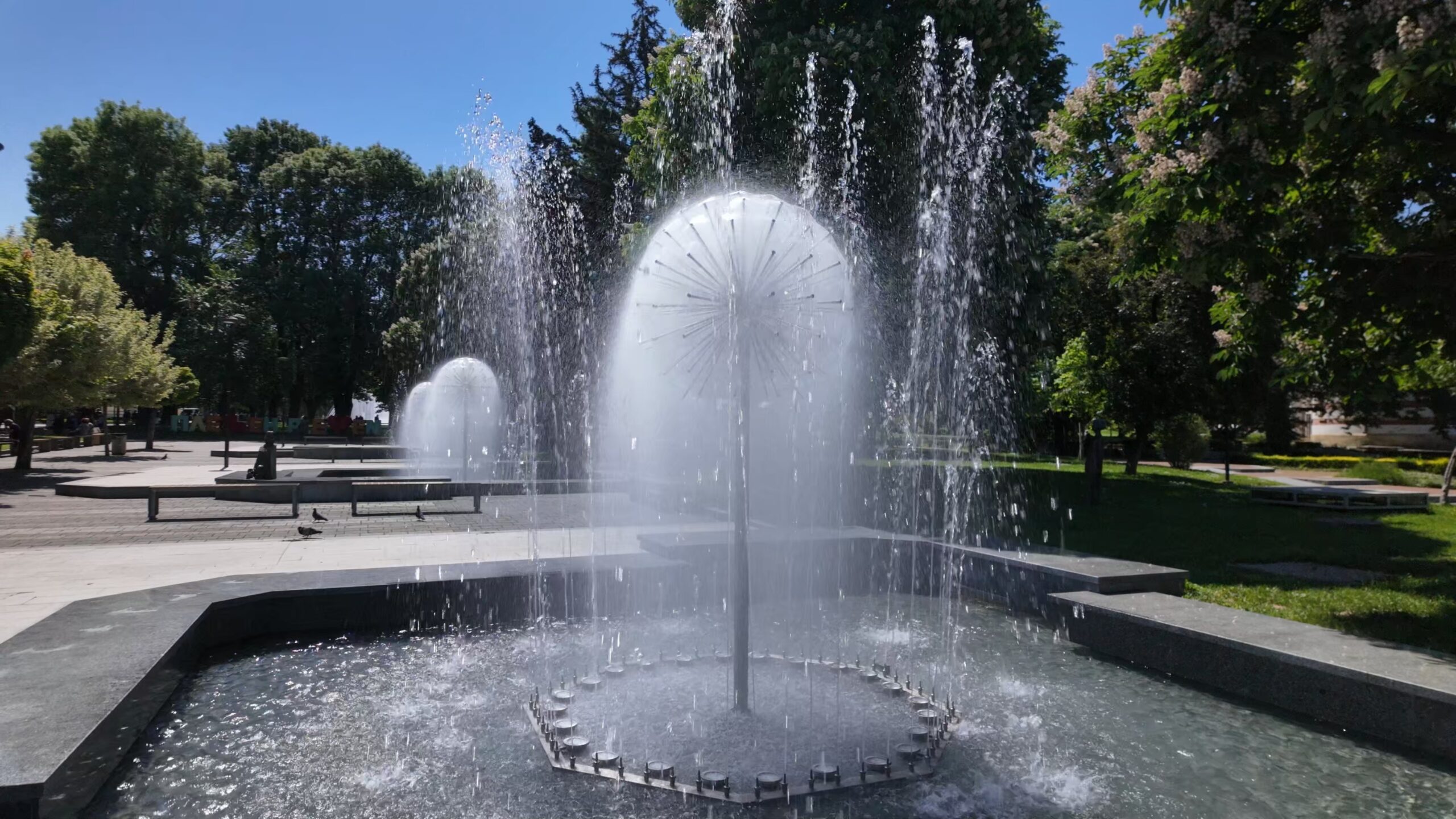
We filmed just days before Pleven’s city holiday on May 15, and the square already had decorations up and the fountain running at full power. This is the kind of square that makes you want to sit down with a coffee and not rush anywhere.
Chapel-Mausoleum of St. George the Victorious
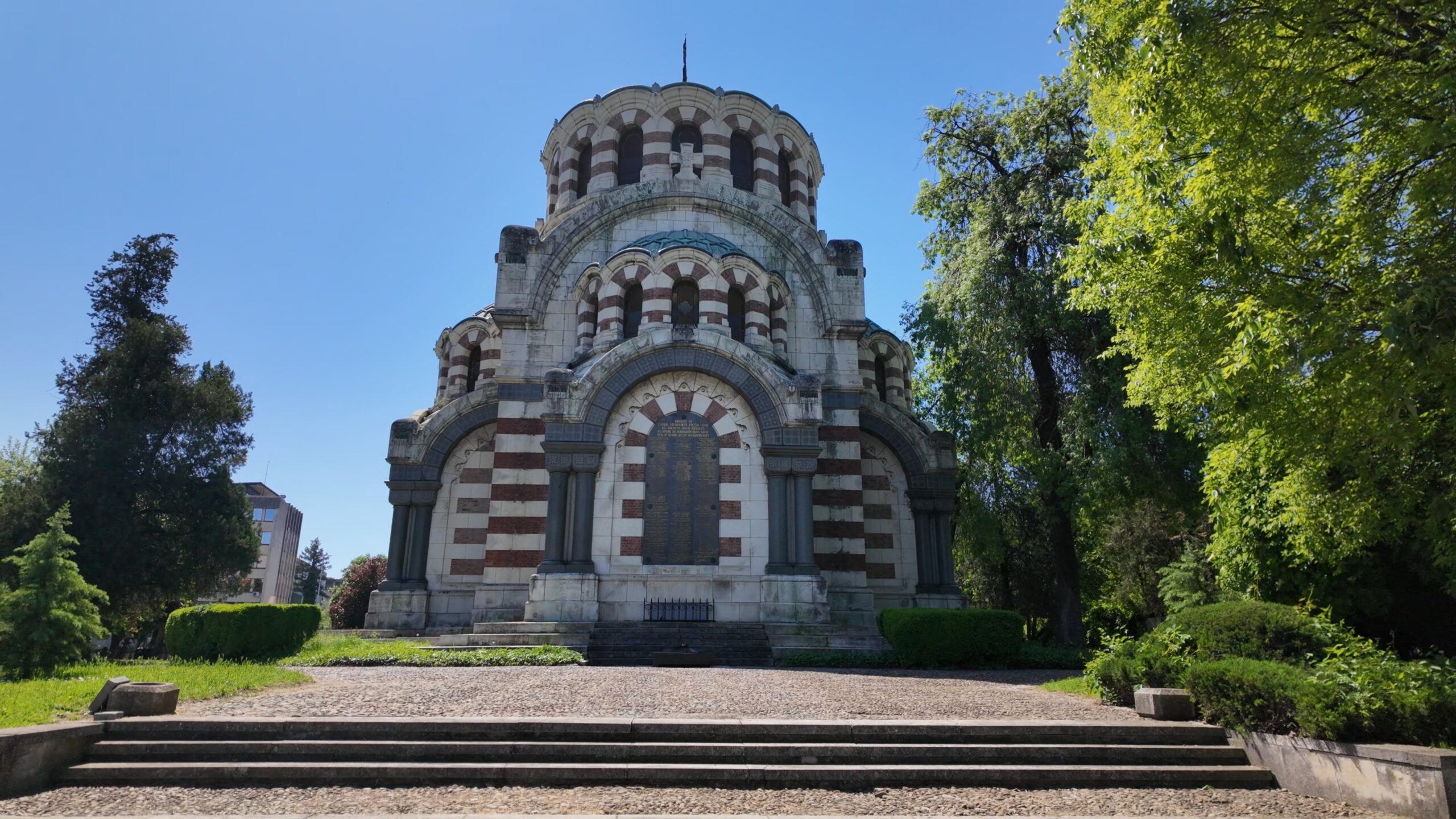
One of the most moving sites in Pleven. This chapel-mausoleum was built in honor of the Russian and Romanian soldiers who died during the siege. The remains of fallen soldiers are interred here. St. George the Victorious is the patron of soldiers in Eastern Orthodox tradition – the dedication fits perfectly.
The exterior is striking and the interior is quiet and worth a few minutes. Entry is typically free or very low cost. Do not walk past it.
City Park – Skobelev Park
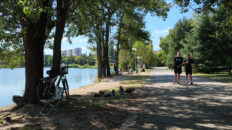
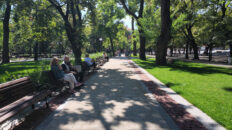
The large city park running along the Tuchenitsa river is named after Russian General Mikhail Skobelev, who commanded forces during the siege. It is where Pleven comes to relax – and it is genuinely pleasant, with good green space, riverside paths, and the famous Singing Fountain that puts on water-and-music shows in the evenings.
The Regional Art Gallery inside the park holds one of the strongest collections of Bulgarian fine art outside Sofia. Admission is low and the gallery is far better than its modest profile suggests. The Aura Center is a modern commercial complex nearby – useful for a coffee or a meal after the walk.
What to Eat and Drink
Kavarma is the dish to order. A slow-cooked meat stew prepared in a sealed clay pot – typically pork or chicken with peppers, onions, and mushrooms. When it is made properly, the flavors are deep and genuine. Almost every traditional restaurant in Pleven has a version. Order it.
Shopska salata will be on every table around you – and for good reason. Tomatoes, cucumbers, peppers, onions, and a generous snow of white sirene cheese on top. Fresh, simple, essential. Order one with every main meal.
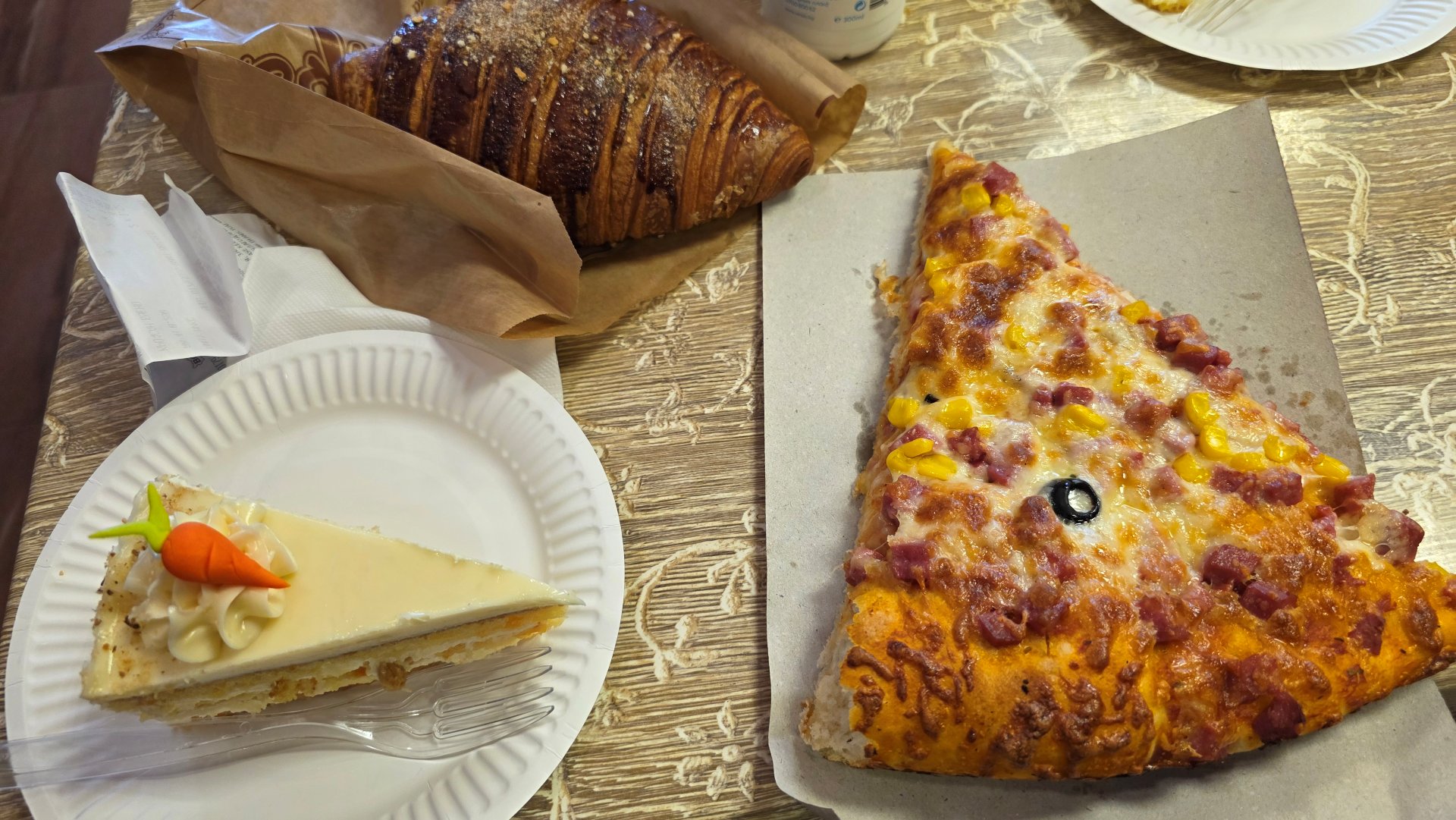
Banitsa is the Bulgarian breakfast. A flaky baked pastry filled with white cheese, best eaten warm from a bakery in the morning. Find one near Vasil Levski Boulevard and have it with a coffee before the walk starts. It costs almost nothing and is genuinely good.
Local wine from the Pleven region is worth trying. The Danube Plain produces solid red and white wines – less famous than Thracian Valley bottles but very drinkable and consistently good value. Ask any restaurant for the house or local option.
Ayran – the cold yogurt drink – is the right call on a warm day. Cheap, refreshing, and available everywhere. On a 24°C afternoon walk, it is hard to argue with.
Practical Information
Getting There
Pleven has no international airport. The nearest is Sofia Airport, around 170 kilometers away. You can search flights into Sofia on Kiwi.com or through Booking.com Flights. If you plan to head straight to Pleven from Sofia Airport by car, book an airport taxi or transfer in advance – it is the most direct option.
From Sofia, the bus takes around 2 to 2.5 hours with multiple departures throughout the day. By train, the journey is slightly longer at around 2.5 to 3 hours, but comfortable and scenic across the northern plains. Either option works well.
If you are arriving from outside Bulgaria and need mobile data immediately on arrival, Saily eSIM activates before you land – no physical SIM swap needed.
Cost of Living
- Coffee: €1.20 – €1.80
- Restaurant meal (one course): €5 – €9
- Dinner for two with drinks: €18 – €32
- Beer in a bar: €1.20 – €2.00
- Budget accommodation: €25 – €40 per night
- Mid-range hotel: from €50 per night on Booking.com
Pleven is noticeably cheaper than Sofia for food and drink. A good dinner for two with wine rarely crosses €35.
For something different, our review of Park Hotel Kaylaka covers a forest retreat in the Kaylaka nature reserve about 8 kilometers from the city center – a genuinely good option if you want to stay somewhere with character.
Best Time to Visit
Late spring and early autumn are the best windows – May, June, September, and October all offer warm weather and manageable crowds. May is particularly good: the city holiday on May 15 brings street decorations and a festive energy, and the parks are in full bloom.
December 10 is Liberation Day, when Pleven re-enacts the 1877 surrender with period military costumes and a formal public ceremony. It is unlike anything else in Bulgaria – and the city takes it seriously. If you can plan a visit around it, do it.
What’s Near Pleven
Devetashka Cave
One of the largest cave systems in Bulgaria, around 35 kilometers from Pleven. The main chamber is vast enough to feel genuinely surreal – it has served as a location for major film productions. An easy half-day trip from the city, well signposted and accessible by car without any special equipment or planning.
Krushuna Falls
A series of cascading waterfalls and turquoise limestone pools around 50 kilometers from Pleven. One of the most beautiful natural sites in northern Bulgaria and consistently underrated. Spring is the best time to visit when the water flow is at its strongest. Pair it with Devetashka Cave for a full day out in the Lovech province.
Zlatna Panega
A hidden river valley about 40 kilometers from Pleven where the Zlatna Panega river emerges from a karst spring in extraordinary volume. The scenery is dramatic and almost nobody is there. Reachable in under an hour from the city center by car – one of the most rewarding short trips in the region.
Prohodna Cave
The “Eyes of God” cave – a karst tunnel around 40 kilometers from Pleven, with two large oval openings in the ceiling that flood the interior with light. One of the most photographed natural landmarks in Bulgaria. The walk through the tunnel takes about 20 minutes and is flat and easy. Genuinely worth the detour.
Lovech
A charming city about 45 kilometers from Pleven, known above all for its covered wooden bridge over the Osam river – one of the longest of its kind in the Balkans. The old town climbs up a rocky hill above the bridge and is good for a half-day walk. A natural pairing with a Pleven visit on a longer northern Bulgaria trip.
Veliko Tarnovo
The medieval capital of Bulgaria, around 100 kilometers from Pleven. Tsarevets Fortress on its dramatic ridge above the Yantra river is one of the most impressive sights in the entire country. A full day is the minimum you need here. Worth combining with Pleven as part of a focused northern and central Bulgaria loop.