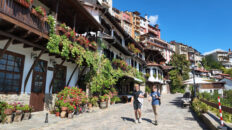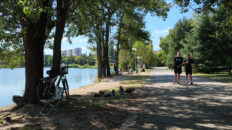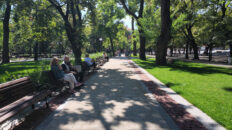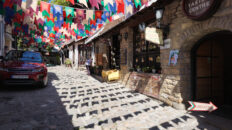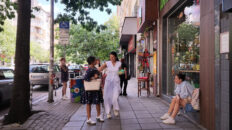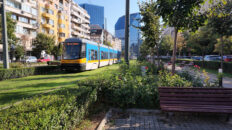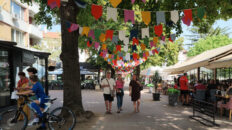
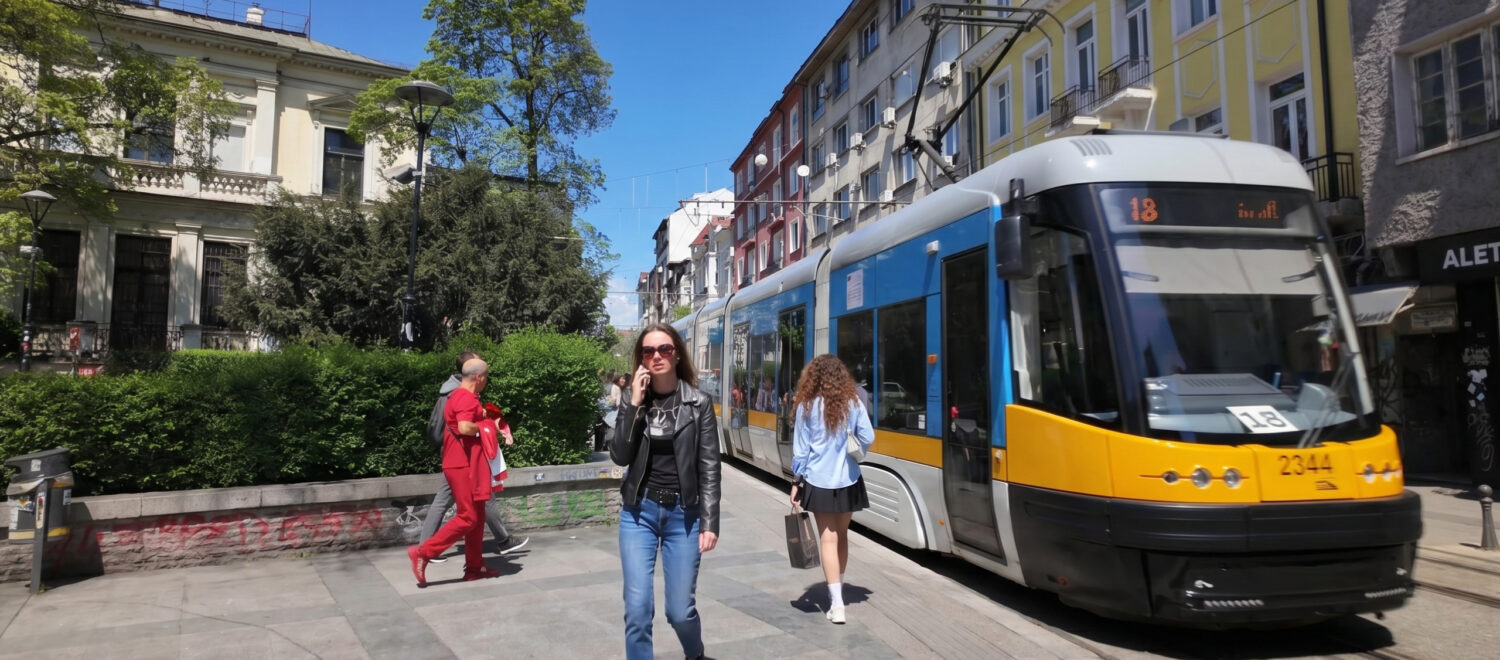
Sofia in May – warm, sunny, and busier than most people expect. This walking tour of Sofia, Bulgaria covers the full city center on one of the best days of the year: outdoor terraces back in business, streets full of people, the kind of energy that makes you want to stay.
The route runs from Graf Ignatiev Street through Slaveykov Square, down the full length of Vitosha Boulevard to NDK and back, then through the historic core: the 4th century Rotunda of Saint George, the Presidential guards, the National Bank, and the Ivan Vazov National Theatre.
📍 Location: Sofia, Bulgaria
📹 Filmed on: 05.05.2026
⛅ Weather: 21 °C
🎧 This video features binaural audio – for the best experience, use headphones.
📜 Don’t forget to turn on subtitles for travel tips and additional information.
⏱️ Timestamps:
0:00 Start – Monument of Patriarch Evtimiy, Graf Ignatiev Street
2:52 Church of the Seven Saints (Sveti Sedmochislenitsi)
4:10 Bust of Georgi Dimitrov
4:46 Graf Ignatiev Street
8:31 Rakovski Street
10:37 European Parliament & EU Commission Building in Sofia
12:50 Slaveykov Square
15:29 Statues of Petko & Pencho Slaveykov
18:23 Garibaldi Square
22:02 Vitosha Boulevard – Full Walk to NDK & Back
44:04 The Palace of Justice
45:56 Cathedral of Saint Nedelya & Saint Nedelya Square
50:20 Rotunda of Saint George (4th Century Roman Temple)
54:37 The Presidential Building
55:06 Presidential Guard
56:06 National Archaeological Institute & Museum
57:24 Bulgarian National Bank
59:24 Garden of Ivan Vazov National Theatre
1:02:00 Ivan Vazov National Theatre
1:03:41 Back to Slaveykov Square
1:07:24 Graf Ignatiev Street – End of Walk
About Sofia
Sofia has been a Roman city, an Ottoman stronghold, and a communist capital. Today it is a modern European capital that most Western tourists still haven’t discovered – which makes it one of the best places to visit on the continent right now. The prices are low, the food is good, and the history goes back further than almost anywhere else in Europe. If you are planning a wider trip, our Bulgaria travel guide has more to explore.
The city sits at 550 meters above sea level, making it the second highest capital in Europe after Andorra la Vella. Vitosha Mountain rises behind the rooftops and is visible from almost every street in the center. You can be having a coffee on the main boulevard and be on a hiking trail 30 minutes later. Not many capitals offer that.
Bulgaria adopted the euro in 2026, so there is no currency exchange to deal with if you are coming from the eurozone. For everyone else, Sofia remains one of the most affordable capital cities in Europe – and the combination of that, the food, the history, and the mountain setting makes it genuinely worth the trip.
History and Interesting Facts
The city has been continuously inhabited for over 7,000 years. Long before it was Sofia, it was Serdica – a Roman settlement that grew into one of the most important cities in the late Roman Empire. Emperor Constantine the Great reportedly called it “my Rome” and came close to making it the capital of the empire instead of Constantinople. We cover this history in depth in our Sofia: The City Older Than Rome walking tour.
In 1382 the Ottomans took control of the city and held it for nearly 500 years. That period left a lasting mark – the National Archaeological Museum is housed in a former Ottoman mosque, and several other Ottoman-era buildings are still standing in the center. Liberation came in January 1878, when Russian forces pushed the Ottomans out as part of the Russo-Turkish War. Bulgaria became an independent state, and Sofia was named capital the following year.
The city was almost entirely rebuilt after 1879. Within a generation, a network of Viennese-style boulevards, parks, and public buildings replaced what had been a small provincial town. The influence is still visible on almost every corner of the old center. A second major wave of construction came during the communist era – most visibly with NDK, the National Palace of Culture, built in 1981 to mark the 1,300th anniversary of the first Bulgarian state.
One fact worth knowing: the streets in Sofia are built on top of Roman ruins. At the Serdika metro station in the city center, you can see the excavated remains of 4th century Roman Serdica right from the platform. Free, open to everyone, and genuinely impressive.
Main Attractions
Graf Ignatiev Street
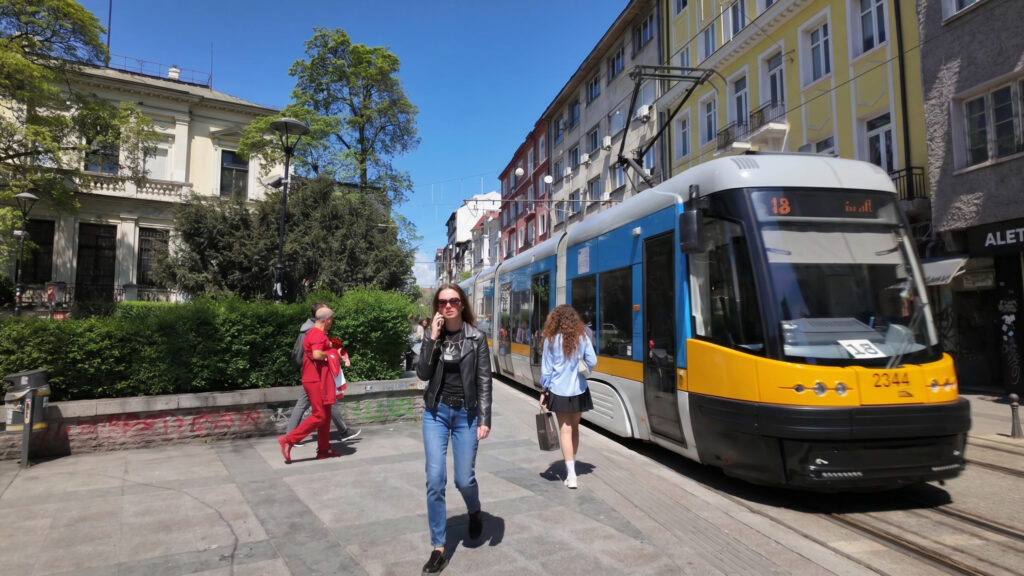
The walk starts on Graf Ignatiev – the pedestrian street that runs parallel to Vitosha Boulevard and is, if anything, more alive. Named after Count Nikolai Ignatiev, the Russian diplomat who negotiated the treaty that won Bulgaria’s independence in 1878. It is a working street, not a tourist zone: cafes, bakeries, small shops, and locals going about their day from morning to late at night.
Church of the Seven Saints (Sveti Sedmochislenitsi)
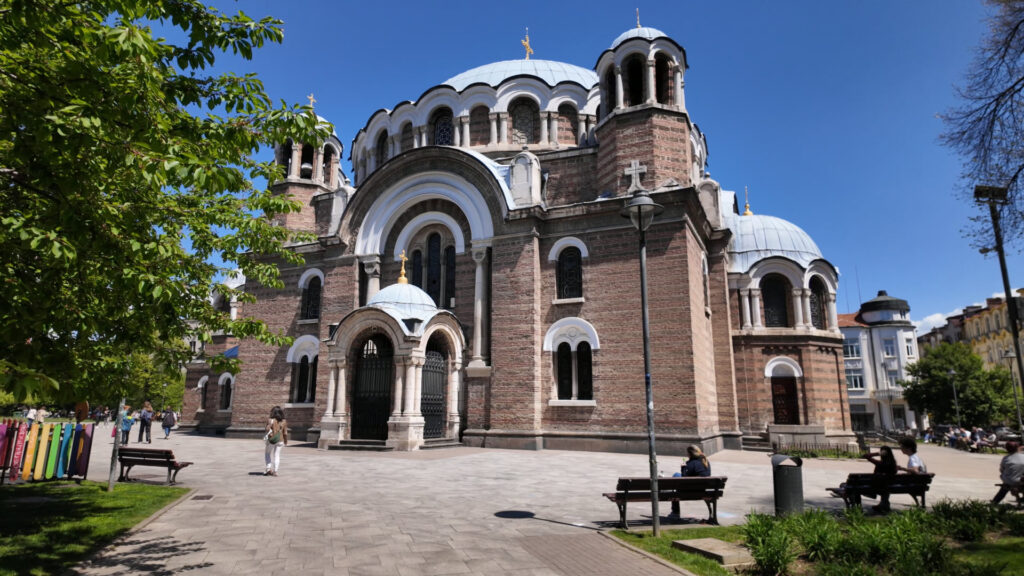
One of the more striking churches in Sofia’s center, built in the 1880s on the site of a 16th century Ottoman mosque right after liberation. The Seven Saints are Cyril and Methodius – the creators of the Cyrillic alphabet – and their five disciples. It is a working church and free to enter. The courtyard is quiet even when the street outside is busy.
Rakovski Street
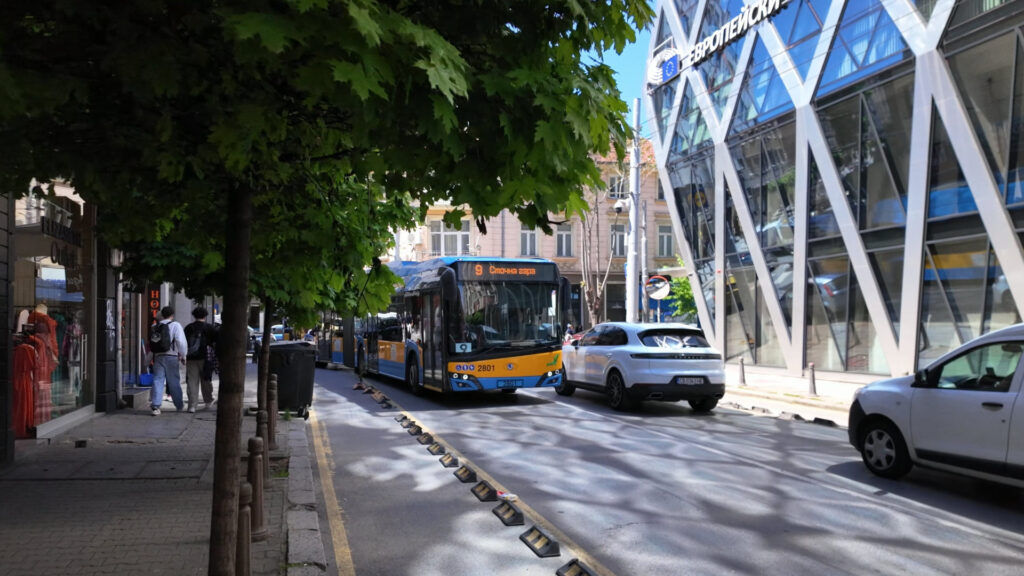
Named after Georgi Sava Rakovski, the 19th century Bulgarian revolutionary who dedicated his life to winning independence from the Ottomans. The street is home to some of the oldest theatres and cultural institutions in Sofia, and the buildings along it are among the finest examples of post-liberation European architecture in the city.
Slaveykov Square
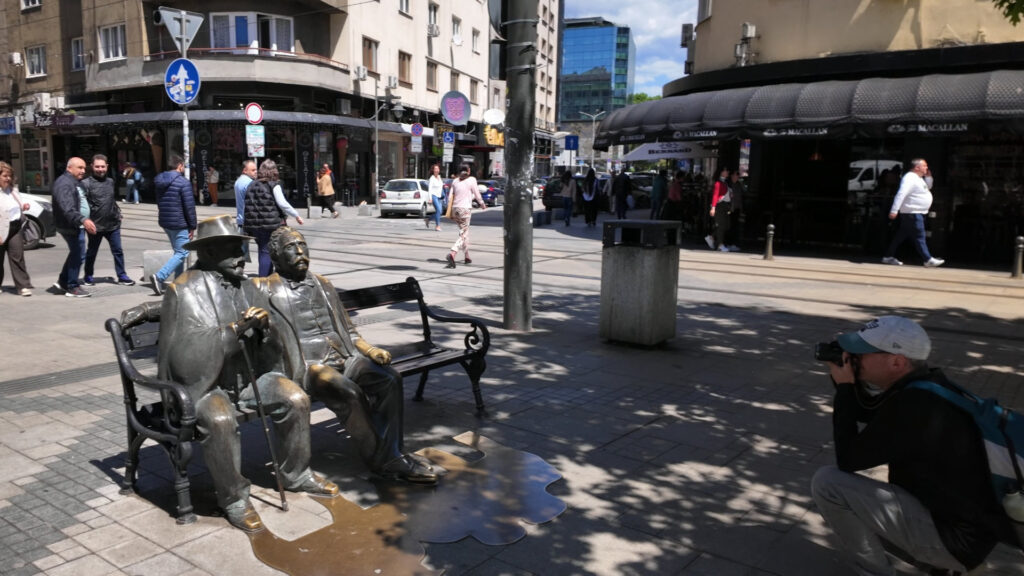
One of the most recognizable meeting points in central Sofia, named after two of the greatest figures in Bulgarian literature – father and son Petko and Pencho Slaveykov. Pencho was nominated for the Nobel Prize in Literature in 1912. The bronze statues of father and son, seated together in conversation, are one of the most photographed spots in the city. Worth stopping for a moment.
Vitosha Boulevard
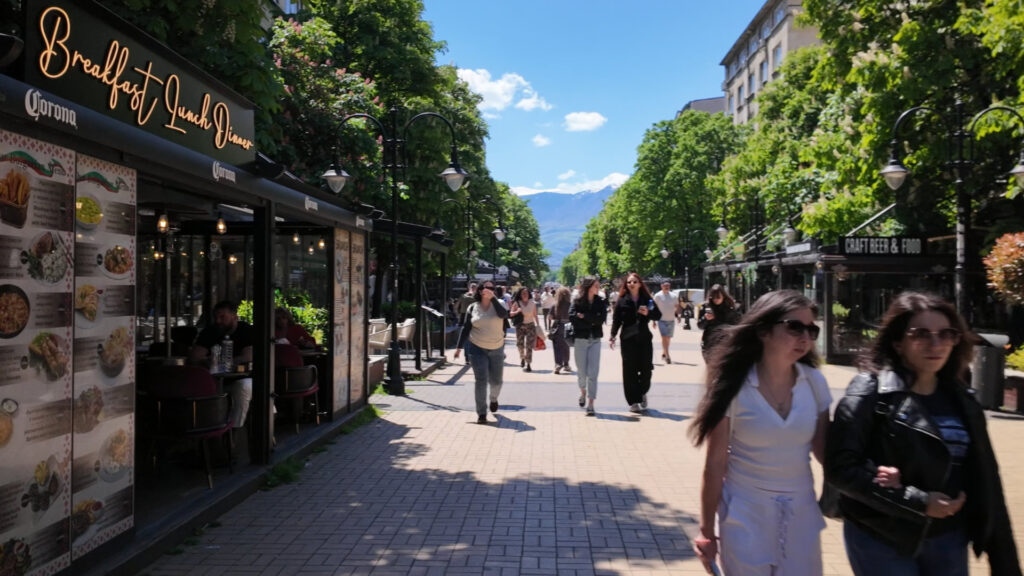
Sofia’s main pedestrian street runs for 1.7 kilometers from the city center down to NDK, with Vitosha Mountain visible at the far end the entire way. Completely pedestrianized, lined with cafes, restaurants, and shops, and at its best on a warm day when the terraces fill up. After 6pm in spring and summer this is one of the liveliest streets in the Balkans.
NDK – National Palace of Culture
Built in 1981 for the 1,300th anniversary of the first Bulgarian state, NDK is the largest multifunctional conference and entertainment center in Southeast Europe. The main auditorium seats over 3,800 people. The park surrounding it is free to walk through and one of the best public green spaces in the city. Good spot to sit down if you have been walking for a while.
Palace of Justice
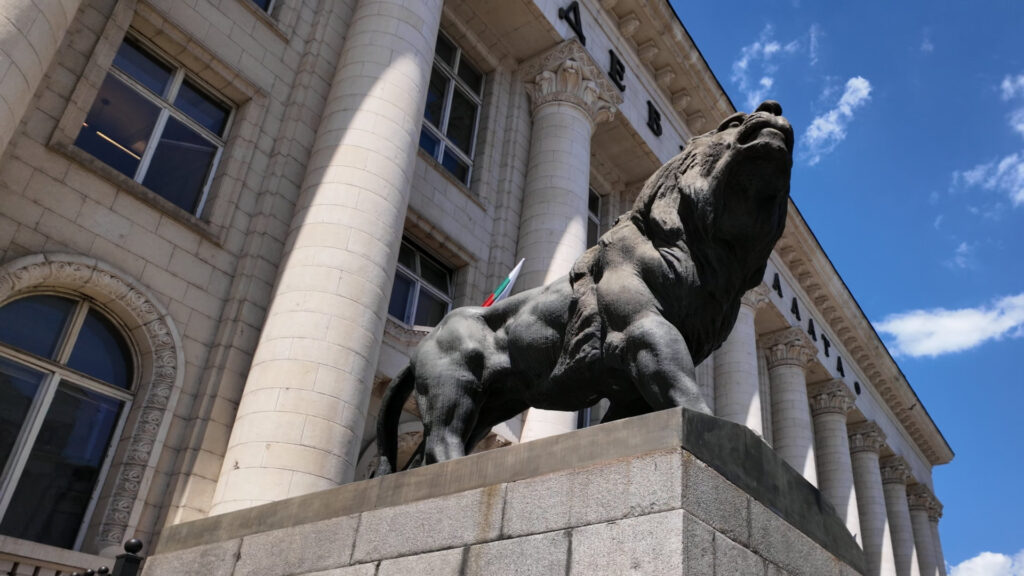
Completed in 1929 and still functioning as the main courthouse in Sofia. One of the most impressive civic buildings from Bulgaria’s early independence era. The scale and the detail of the facade are easier to appreciate if you stop rather than walk past.
Cathedral of Saint Nedelya
The main Orthodox cathedral in Sofia’s center has stood on this site since the 9th century. The current building dates largely from the late 19th century, after liberation. In 1925 a bomb exploded inside during a state funeral, killing around 150 people – one of the deadliest attacks in European history at that time. The building was rebuilt and is still an active church. Saint Nedelya Square around it is one of the main transport hubs in central Sofia, with trams, buses, and metro all converging here.
Rotunda of Saint George
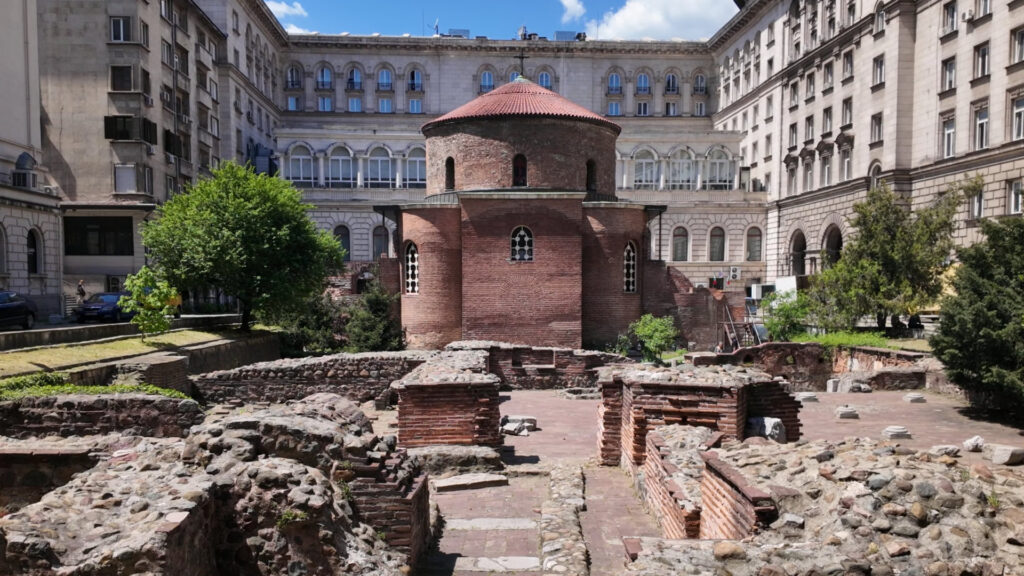
This is the one that genuinely surprises people. The Rotunda of Saint George is a 4th century AD Roman building – 1,700 years old – sitting in the inner courtyard of a modern building complex, surrounded by the Presidential building, a hotel, and office blocks. It started as a Roman bathhouse, became a church, was converted to a mosque under Ottoman rule, and has been a church again since 1876. Medieval frescoes inside span multiple centuries and include some of the finest Byzantine art preserved in Bulgaria. Free to enter, and very much worth going inside.
The Presidential Building and Guards
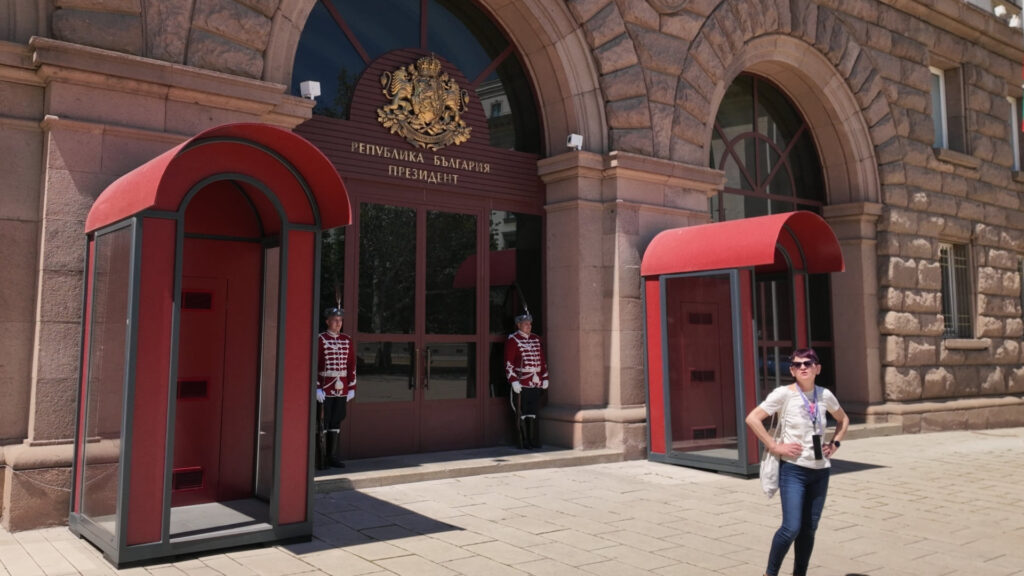
The head of state works here, and the ceremonial guards at the entrance are one of the more visually striking details of this part of the city center. Very formal uniforms, standing watch just meters from the street with no barriers between them and the public. Worth slowing down for.
National Archaeological Institute with Museum
Housed in a former Ottoman mosque – the largest surviving Ottoman-era building in Sofia – the collection spans Thrace, ancient Rome, Byzantium, and the medieval Bulgarian kingdoms. It is one of the oldest museums in Bulgaria and the building alone is worth a look from the outside. Entry fees are modest and the collection is genuinely good.
Bulgarian National Bank
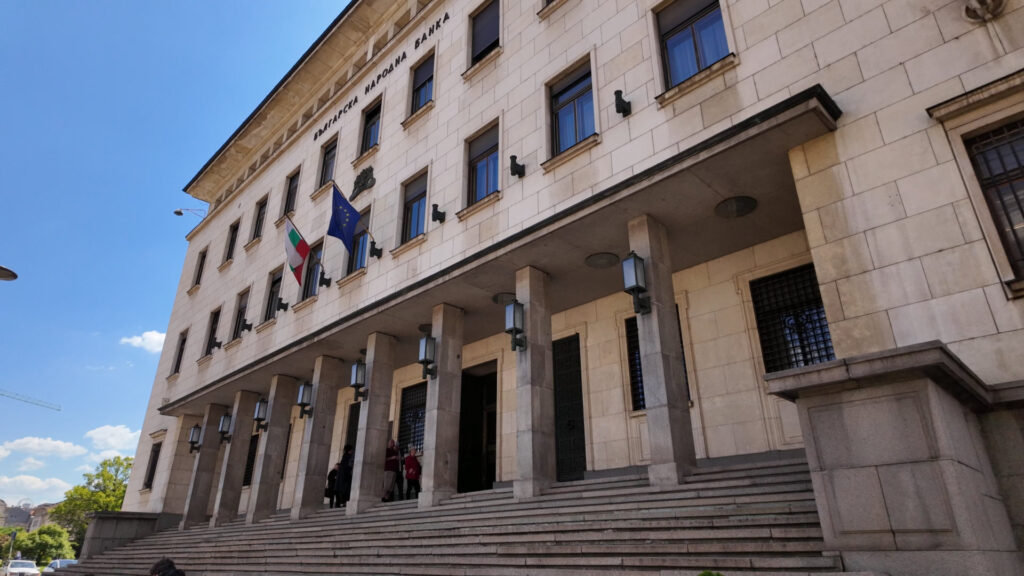
Established in 1879, one year after Bulgarian independence – one of the oldest institutions in the modern Bulgarian state. The building is one of the most impressive on this stretch of the city center, and it anchors a section of a few hundred meters that includes the Rotunda, the Presidential palace, and the Archaeological Museum. Dense with history for a short walk.
Ivan Vazov National Theatre
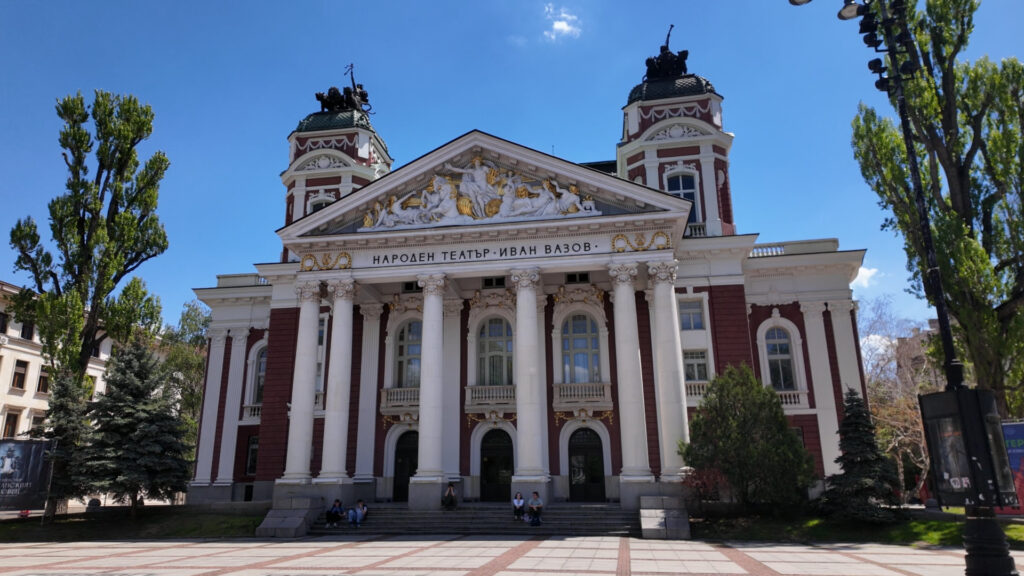
Named after Ivan Vazov, Bulgaria’s national poet and writer. The building was first completed in 1906, destroyed in World War II bombing, and rebuilt in 1945. The garden in front is one of the best public spaces in central Sofia – old trees, good benches, and a fine view of the facade. Vazov’s most famous novel, “Under the Yoke,” is about the 1876 uprising against Ottoman rule and is still taught in every Bulgarian school.
Alexander Nevsky Cathedral
The largest cathedral in the Balkans and one of the most recognizable landmarks in all of Eastern Europe – but not on the route in this walk. A 15-minute walk from Slaveykov Square. Built between 1882 and 1912 as a memorial to the Russian soldiers who died fighting for Bulgaria’s liberation. The gold domes are visible from a considerable distance. Free entry, though photography inside requires a permit. Do not leave Sofia without seeing it.
For a broader overview of what to see and do across the city, our Top 10 Things to Do in Sofia guide covers the essential list beyond what this walk includes.
Boyana Church
About 10 kilometers from the city center, this small medieval church is a UNESCO World Heritage Site. The interior contains 13th century frescoes considered among the finest examples of medieval European art – realistic, expressive, and remarkably well preserved. Easy to reach by bus or taxi. Book your visit in advance – entry is timed and limited to protect the frescoes.
What to Eat and Drink
Banitsa is the thing to eat in Sofia. A filo pastry filled with white cheese and egg, baked fresh throughout the morning. Every bakery in the city has it. Get it from a street bakery rather than a cafe – the fresh version, still warm, is a completely different thing from what sits in a display case. Costs under €1. Best breakfast in the city.
Shopska salad is the national salad – tomatoes, cucumbers, peppers, onion, and a generous grating of white Bulgarian cheese on top. Simple, fresh, and better than it sounds. It is on every menu in Sofia and is one of those dishes that actually tastes better here than anywhere else.
Kebapche and kyufte are the grilled meat options you will find at almost any restaurant. Kebapche is a small cylindrical minced meat roll, kyufte is a flat patty. Both are typically served with fries and shopska salad. Good, filling, and cheap. Any mehana (traditional tavern) will do them well.
Tarator is a cold soup made from yogurt, cucumber, garlic, and dill. Sounds unusual if you haven’t had it before. Try it on a warm day – it is one of those things that makes complete sense in context. Available in most traditional restaurants in summer.
Bulgarian wine is underrated and very affordable. The Thracian Valley region to the south of Sofia produces some excellent reds – Mavrud and Melnik are the varieties worth looking for. A good bottle from a supermarket costs very little. Restaurant wine lists are reasonably priced by any European standard.
Kamenitza is the most common local lager and is fine. If you want something more interesting, Sofia has a small but growing craft beer scene – White Stork and Glarus are the two names most worth knowing. A beer in a bar along Vitosha costs €2-4.
Practical Information
Getting There
Sofia Airport (SOF) is about 10 kilometers from the city center. Metro Line 1 connects the airport directly to the center – the ride takes around 20 minutes and costs under €1. Flights to Sofia connect from most major European hubs. From London the flight is about 3 hours, from Frankfurt just over 2, and from Istanbul under 2. A taxi from the airport to the center takes 20-30 minutes depending on traffic and costs around €10-15.
By train, Sofia connects to Plovdiv (around 2 hours), Varna (around 7 hours), Thessaloniki (around 6 hours), and Belgrade (around 8 hours). Bus connections to Plovdiv take around 2 hours and run frequently. By car, Sofia sits on the E80 corridor connecting Turkey and Western Europe.
If you are arriving from outside the EU and want to stay connected without dealing with a local SIM on arrival, a travel eSIM is the easiest option – activate before you land and you have data immediately.
Cost of Living
- Coffee: €1.50-3
- Lunch at a restaurant: €8-12
- Dinner for two with drinks: €20-35
- Beer in a bar: €2-4
- Budget hotel (city center): €35-50 per night
- Mid-range hotel (city center): €65-95 per night
Bulgaria adopted the euro in 2026. No currency exchange is needed if you are coming from the eurozone. For visitors from the UK, US, or other non-euro countries, the exchange rate makes Sofia one of the most affordable capitals in Europe.
Best Time to Visit
Spring (April to June) is the best time to visit Sofia. The weather is warm without being hot, the terraces are open, the city has energy, and Vitosha Mountain still has snow on the peaks for much of April – a striking contrast with the green boulevards below. This video was filmed in early May and the conditions were ideal.
Autumn (September to October) is a close second. The summer heat has passed, crowds are thinner than peak season, and the mountain scenery turns golden. Summer (July and August) is warm and lively but many locals head to the Black Sea coast – the city quiets down. Winter is cold but Sofia’s Christmas markets, typically running from late November through December, are genuinely good – we have a full Sofia Christmas Markets walking tour if you are planning a winter visit.
What’s Near Sofia
Vitosha Mountain
Technically on the edge of the city, Vitosha National Park is a 30-minute journey from the city center by bus or tram. The most popular hike goes up to Cherni Vruh peak (2,290 meters) and takes 3-4 hours from the trailhead. In winter the lower slopes have ski facilities. We have a dedicated Vitosha walking tour covering the ski area and Aleko hut if you want a closer look.
Plovdiv
Bulgaria’s second city is about 150 kilometers from Sofia – around 2 hours by bus, which runs frequently. The old town is one of the best-preserved in the Balkans, built on three hills above the Maritsa River with Roman ruins, Renaissance houses, and a fully intact Roman amphitheatre that still hosts performances. See our Plovdiv walking tour for a full look at the city. Very much worth a full day or an overnight.
Rila Monastery
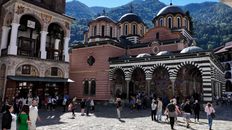
The most important monastery in Bulgaria and a UNESCO World Heritage Site, about 120 kilometers south of Sofia in the Rila Mountains. The drive or bus journey takes around 2 hours. The monastery was founded in the 10th century and the current buildings date largely from the 19th century – bold striped arches, elaborate frescoes, and a setting deep in a mountain valley that makes it unlike anywhere else in the country. Give it a full day. Guided day trips from Sofia run regularly if you prefer not to navigate independently.
Koprivshtitsa
About 110 kilometers from Sofia – roughly 2 hours by car or a combination of train and bus. One of the best-preserved 19th century Bulgarian villages in the country, with traditional houses, cobbled streets, and a strong connection to the 1876 April Uprising against Ottoman rule. See our Koprivshtitsa walking tour for a full guide. Good option if you have a car.
Bankya
A small spa town just 20 kilometers west of Sofia – about 30 minutes by suburban train. Mineral water pools, quiet residential streets, and mountain air. A popular local weekend escape that most tourists never hear about. Good for a half-day if you want something calm and easy to reach without a car.
The Black Sea Coast
The Bulgarian Black Sea coast – with resorts like Sunny Beach, Nessebar, and Sozopol – is about 4 hours from Sofia by bus. Nessebar is a UNESCO-listed old town on a small peninsula and one of the most photographed places in Bulgaria. Worth combining with a Sofia visit if you have a week in the country.