





📍 Location: Niš, Serbia
📹 Filmed on: 07.04.2026
⛅ Weather: 19 °C
🎧 This video features binaural audio – for the best experience, use headphones.
📜 Turn on subtitles for travel tips and historical facts throughout the walk.
Chapters
0:00 Monument to Constantine the Great
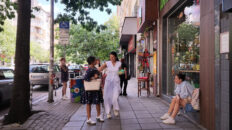
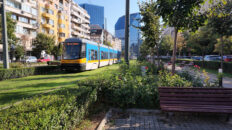
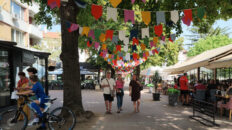
0:19 Obrenovićeva Street
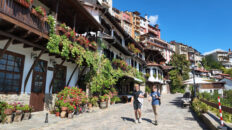
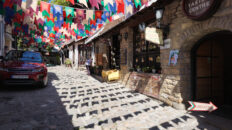
6:37 Tinkers Alley (Kazandžijsko sokače)
9:37 Republic Square
13:19 Obrenovićeva Street
19:52 Park Marger
20:42 Holy Trinity Cathedral
25:46 Prijezdina Street
30:14 Obrenovićeva Street
37:40 King Milan Square
42:49 Fortress Bridge over Nišava River
45:00 Stambol Gate
46:01 Inside the Niš Fortress
50:45 Bali Bey Mosque
1:00:05 Shopping Zone
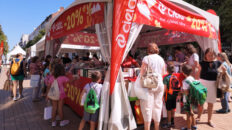
1:02:27 Local Market – JKP Tržnica Niš
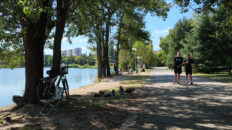
1:11:25 Nišava River Promenade
1:14:52 Nišava Fortress Bridge
1:18:38 Monument to Constantine the Great
1:20:08 Mayor’s Office
1:21:43 King Milan Square
About Niš
Constantine the Great – the Roman emperor who legalised Christianity, founded Constantinople, and reshaped the entire course of Western history – was born here. In Niš, Serbia. In a city most international tourists have never heard of.
That one fact is enough reason to visit. Niš is off the radar, which means genuine streets, genuine prices, and a city that is entirely itself rather than a version of itself designed for visitors. Serbia’s third largest city with around 250,000 people – easy to reach, very affordable, and one of the most rewarding stops in our Serbia travel guide.
History and Interesting Facts
Two thousand years ago, this was Naissus – one of the most important Roman cities in the entire empire. It sat on the main road connecting Rome to the east, which meant emperors, armies, and traders all passed through. Constantine the Great was born here around 272 AD, and went on to change the world in ways that are still felt today.
Constantine became the first Roman emperor to convert to Christianity and issued the Edict of Milan in 313 AD – making religious freedom the law across the empire. He then founded Constantinople in 330 AD, a city that ran the Eastern Roman Empire for over a thousand years. The airport in Niš is named after him: Konstantin Veliki Airport. It feels right.
After Rome, the city passed through Byzantine and Bulgarian control before the Ottomans arrived in 1427. They stayed for nearly 450 years – long enough to build a fortress, a bazaar, mosques, and leave a permanent mark on the culture. Liberation came in January 1878, when Serbian forces took the city back. The whole place was essentially rebuilt from scratch in the decades that followed.
One story from just before liberation is hard to forget. In 1809, at the Battle of Čegar, Serbian rebel commander Stevan Sinđelić blew up his own powder magazine rather than surrender. The Ottomans responded by building the Skull Tower – Ćele Kula – using 952 skulls of fallen Serbian fighters as a warning to the population. The French poet Alphonse de Lamartine visited in 1833, wrote about it, and Europe took notice. Today 58 of those skulls are still visible in the structure. It is one of the most sobering things you will see anywhere in the Balkans.
Niš is also the hometown of Stevan Sremac (1855-1906), one of Serbia’s most beloved writers. His novel Zona Zamfirova is set in the streets of 19th-century Niš and is still widely read today. You will find his statue in the city center – sitting next to his most famous character, Kalča. Very popular for photos.
Main Attractions
Monument to Constantine the Great
A large bronze of the emperor at the edge of the city center, close to the Nišava River. The walk starts here. It is a good place to pause and take in the fact that the man standing in front of you in bronze was actually born a few streets away, roughly 1,750 years ago.
Obrenovićeva Street
The main street of Niš – about one kilometer of cafés, shops, and easy street life. This is not a tourist zone. It is where locals actually spend their day, morning coffee to evening stroll. Named after the Obrenović royal dynasty, it was rebuilt after 1878 as the spine of the new Serbian city. The vibe is relaxed and completely genuine.
Tinkers Alley (Kazandžijsko Sokače)
A short cobbled lane just off the main street. For centuries this was where copper craftsmen worked – “kazan” means copper cauldron. The workshops are long gone but the alley is now packed with traditional kafanas. Good food, cold drinks, local music, and the kind of atmosphere where you sit down for one hour and leave three hours later.
Republic Square and the Monuments
The central square of Niš, and a genuinely good place to stop and look around. The bronze of Stevan Sremac and his character Kalča is here. So is the bust of Vuk Stefanović Karadžić – the man who standardised the Serbian Cyrillic alphabet in the 1800s and effectively created the modern Serbian language. His rule was simple: write exactly how you speak. Walking through the surrounding streets you also pass monuments to the Serbs hanged by the Ottomans in 1821, and to the painter Nadežda Petrović – one of Serbia’s greatest artists, who gave up her career to serve as a nurse in the Balkan Wars and died at the front in 1915.
Holy Trinity Cathedral
The main Serbian Orthodox church in Niš, built between 1856 and 1872 – right at the end of 450 years of Ottoman rule. The Serbian community built this while still under occupation. The courtyard is peaceful, shaded, and completely free to enter. Worth a few quiet minutes even if you are not religious.
The Niš Fortress
The highlight of the city, and one of the most impressive Ottoman fortresses in the Balkans. Built between 1719 and 1723, covering 22 hectares with walls up to 8 meters high. Free to enter, open at all hours. Here is the detail that makes it even better: the Ottomans built it using stone taken from the ruins of ancient Roman Naissus. The walls literally contain the city Constantine was born in.
The Stambol Gate is the main entrance – the name means Istanbul Gate, as this was the road to the Ottoman capital. Inside, the atmosphere completely changes. Wide open grounds, café terraces, and the Bali Bey Mosque – built in the early 1500s and now used as a gallery – sitting quietly against the ramparts. Easy to spend a couple of hours here without noticing the time.
Every August the fortress hosts the Nišville International Jazz and Blues Festival – one of the biggest jazz events in the Balkans, right inside these walls. If you are visiting in August, book accommodation early as the city fills up fast. Check availability on Booking.com.
The Skull Tower (Ćele Kula)
Not in the walk, but about 1 km from the fortress and absolutely worth the detour. The story is in the History section above – 952 skulls, built in 1809, 58 still visible today. It is now enclosed in a protective chapel and is open to visitors. One of the most historically significant and genuinely affecting monuments in Serbia. Do not skip it. You can book guided visits on Booking.com Attractions.
Local Market – JKP Tržnica Niš
The main market of the city, covered in the walk. Fresh produce, meat, dairy, local specialties – all from regional producers. This is where locals actually shop. The variety is impressive and the quality is real. If you see local ajvar or homemade rakija for sale, buy some.
Nišava River Promenade
A tree-lined path along the left bank of the Nišava River, right through the city center. Riverside café terraces, benches, and a clear view of the fortress walls rising on the far bank. In the evening this is where the city winds down. Cold drinks, warm air, and one of the best free views in Serbia.
What to Eat and Drink
Niš has its own food identity within Serbia. These are the things worth knowing before you sit down anywhere.
Niška mućkalica is the dish most associated with the city – slow-cooked pork with roasted peppers and tomatoes. Rich, warming, and specific to this region. Order it at any traditional restaurant in Niš and you will not be disappointed.
Ćevapi is eaten everywhere in Serbia, but locals in Niš will tell you theirs is better. Smaller, denser, served with a specific local flatbread. They are probably right.
Ajvar is the roasted red pepper spread made every autumn across Serbia, but the Niš region produces some of the best. What you find at the local market is a completely different thing from the supermarket version. If you see it fresh, buy a jar.
Kafanas are the social institution of this part of Serbia – traditional taverns somewhere between a restaurant and a bar, where people eat, drink rakija, and stay all evening. Tinkers Alley has the most atmospheric ones, but they are all over the city center.
For rakija, look for šljivovica – plum brandy – from local producers. The region has excellent plum growing conditions and you can taste the difference.
Practical Information
Getting There
By car from Belgrade it is about 2 hours on the A1 motorway. By train around 2.5 hours, with easy onward connections to Sofia in Bulgaria and Skopje in North Macedonia. You can search train and bus options on Kiwi.com – it covers regional ground transport as well as flights.
Konstantin Veliki Airport is just 4 km from the city center and connects to several European destinations. Compare flights on Booking.com Flights. Once you land, transfers to the center are quick – pre-book a taxi through Booking.com Taxi to make arrival easier.
Travelling internationally and want data from the moment you land? Saily eSIM covers Serbia and activates before you board – no local SIM needed.
Cost of Living (2025 estimates)
- Coffee in a café: 150-250 RSD (€1.30-2.10)
- Restaurant meal: 600-1,200 RSD (€5-10)
- Mid-range dinner for two: 3,000-5,000 RSD (€25-42)
- Beer in a bar: 200-350 RSD (€1.70-3)
- Budget guesthouse: from ~2,000 RSD (€17) per night
- 4-star hotel: 8,000-12,000 RSD (€68-100) per night
Niš is noticeably cheaper than Belgrade across everything. For accommodation, Booking.com has a good range of options from budget guesthouses to solid city center hotels.
Best Time to Visit
Spring (April-May) and early autumn (September-October) are the sweet spot – mild weather, no crowds, and the city at its most relaxed. Summers are warm (27-30°C) and busy, especially in August during the Nišville festival. Winters are cold (0-2°C) but the city stays lively and prices drop significantly.
What’s Near Niš
Niška Banja is just 5 km from the center – a thermal spa town with natural hot springs that have been used since Roman times. The springs are among the most radioactive natural thermal waters in Europe, which sounds alarming but is actually the draw. Facilities range from basic public baths to proper spa hotels. Easy half-day trip.
Sićevo Gorge is an 18 km limestone canyon carved by the Nišava River, about 20 km east of the city. Walking trails follow the river through the gorge and the scenery is genuinely striking. Good option if you have a car or want to arrange a day trip.
Suva Planina is a forested mountain range southeast of Niš, popular for hiking. The highest peak hits 1,810 m and it is reachable by car in under an hour from the city. Good for a half or full day outdoors.
Mediana is 4 km east of the city – a Roman imperial estate connected to Constantine the Great. Villa remains, thermal baths, and some of the finest Roman mosaic floors found anywhere in Serbia. Entry is cheap, crowds are minimal, and it is genuinely impressive. For guided visits to Mediana and other sites in the region, check Booking.com Attractions.
Belgrade is Serbia’s capital and about 2 hours north by car or train. The contrast with Niš is real – where Niš is easy-going and under the radar, Belgrade is loud, fast, and relentless in the best possible way. If you have extra days in Serbia, it deserves them. See our Belgrade walking tour to get a feel for what the city does best.